



Packaging and Supply Essentials for Shipping and Storage
Every box you ship tells a story about your business before your customer even opens it, yet most e-commerce owners choose packaging based on price alone and end up paying for it in damaged goods and disappointed customers. The wrong packaging and supply decisions can quietly drain your profits through returns, waste extra time at your packing station, and create a forgettable unboxing experience that stops customers from coming back. Understanding how to match your products with the right packaging—whether that's our sleek Full Black Die Cut Boxes for premium items or sturdy Brown Corrugated Slotted Cartons for everyday shipping—can transform your packaging from a cost centre into a competitive advantage.
What percentage of packaging costs can businesses save by choosing the right box size?
Businesses can save 15 to 30 per cent on packaging costs by selecting boxes that match product dimensions, as oversized packaging wastes materials and increases shipping weight charges.
When should a business use premium packaging instead of standard boxes?
Premium packaging is essential for products priced above $100, fragile items requiring extra protection, and direct-to-consumer brands where unboxing experience directly influences customer retention and social media sharing.
How much warehouse space do businesses waste with poor packaging inventory management?
Poor packaging inventory management typically wastes 20 to 40 per cent of warehouse space through overstocking, disorganised storage of multiple box sizes, and keeping obsolete packaging materials that no longer match current product lines.
Table of Contents
Understanding Your Packaging Options
Most Australian businesses waste money on packaging because they don't understand the basic differences between box types. The packaging and supply industry offers dozens of options, but really, you only need to know about two main categories to make smart choices. Die-cut boxes and corrugated cartons serve completely different purposes, yet many business owners treat them as interchangeable. Understanding which type suits your needs can save you thousands of dollars each year whilst improving how customers see your brand.
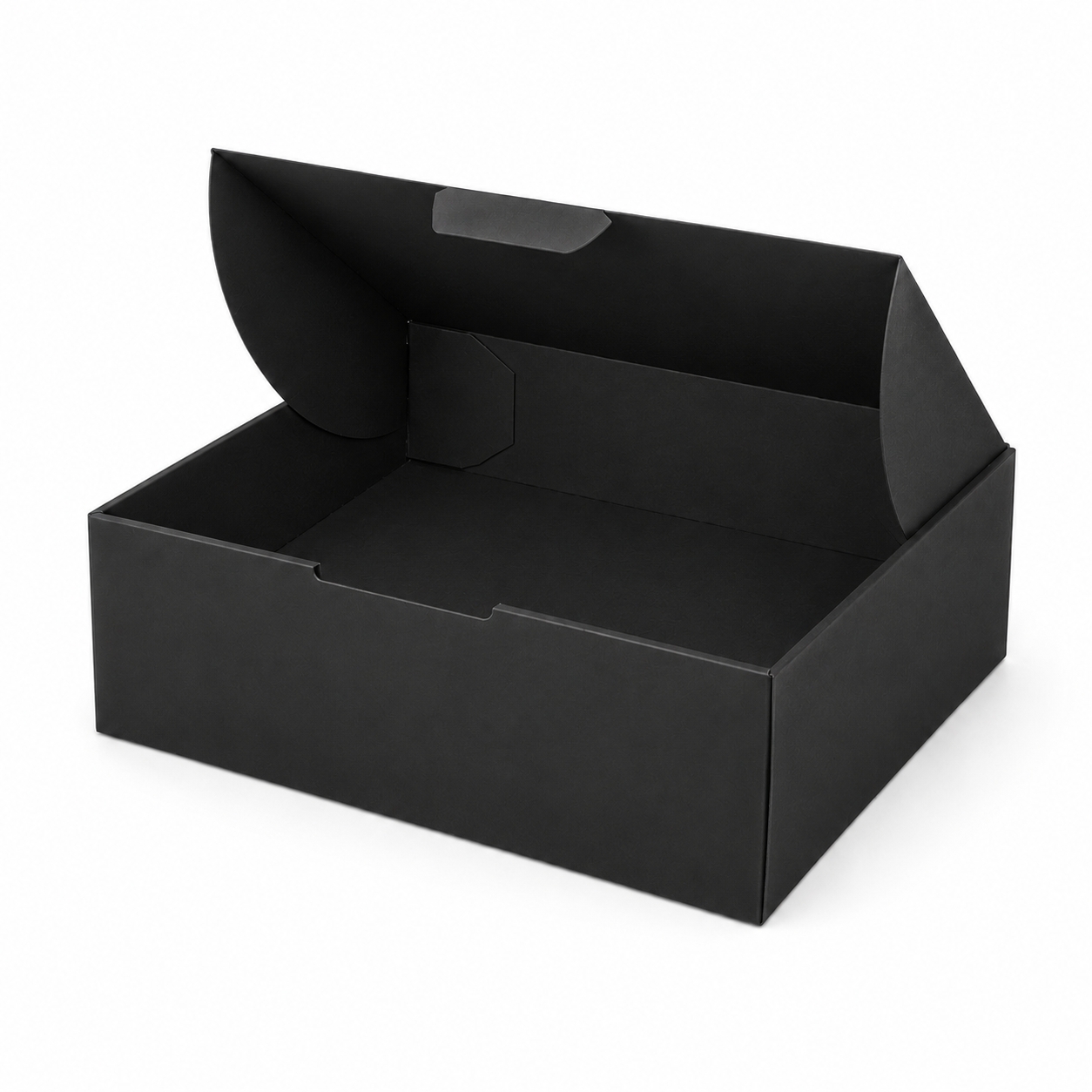
310 x 230 x 105 mm Full Black Die Cut Mailing Shipping Packing Cardboard Boxes
The Two Main Box Types
Die-cut boxes are the premium option in packaging and supply. They're pre-scored and folded, which means no tape needed for assembly. These boxes typically feature cleaner lines and can come in custom colours like our Full Black Die Cut Box that creates a polished unboxing experience.
Corrugated cartons are your workhorse boxes. They're the brown boxes you see everywhere, built with fluted cardboard layers that provide serious protection. Our Brown Corrugated Slotted Cartons use B flute single-wall construction, which is the standard for most shipping needs.
- Die-cut boxes fold together without tape or glue
- Corrugated cartons need packing tape to seal properly
- Premium packaging costs more but creates brand value
- Standard boxes focus purely on protection and cost efficiency
When Premium Makes Sense
Not every product needs fancy packaging. If you're shipping spare parts or wholesale goods, brown corrugated boxes do the job perfectly. But if you're selling directly to customers who care about presentation, premium packaging pays for itself through perceived value.
According to industry research on packaging's role in logistics, the right packaging choice affects everything from shipping costs to customer satisfaction rates. The key is matching your packaging type to your business model.
- E-commerce brands benefit from premium unboxing experiences
- Wholesale operations prioritise durability over appearance
- Gift products need presentation-focused packaging
- Industrial goods require maximum protection at minimum cost
Material Specs That Matter
The packaging and supply world loves technical jargon, but only a few specifications actually affect your decision. Wall thickness, flute type, and finish are the big three. Single-wall corrugated works for most items under 10kg, whilst the matte finish on premium boxes prevents fingerprints and scratches during handling.
| Feature | Die-Cut Boxes | Corrugated Cartons |
|---|---|---|
| Assembly Method | No tape needed | Requires packing tape |
| Typical Use | Direct to consumer | General shipping |
| Finish Options | Matte, gloss, custom colours | Natural brown kraft |
| Price Point | Higher cost per unit | Budget friendly |
| Brand Impact | Premium perception | Functional focus |
Most competitors like thepackagingpeople.com.au and ozpack.com.au stock both types, but understanding which one suits your specific needs prevents overspending on unnecessary features or underinvesting in customer experience.
- B flute provides good cushioning for everyday items
- Matte finishes hide handling marks better than gloss
- RSC design means standard slotted carton construction
Matching Box Size to Your Products
Most businesses waste around 20% of their shipping budget on boxes that are too big for what they're sending. The right box size protects your products during transit while keeping your costs down, but finding that sweet spot takes a bit of planning. You need to measure your products properly, understand how different box dimensions work for different items, and leave just enough room for protective packaging without paying for empty air.
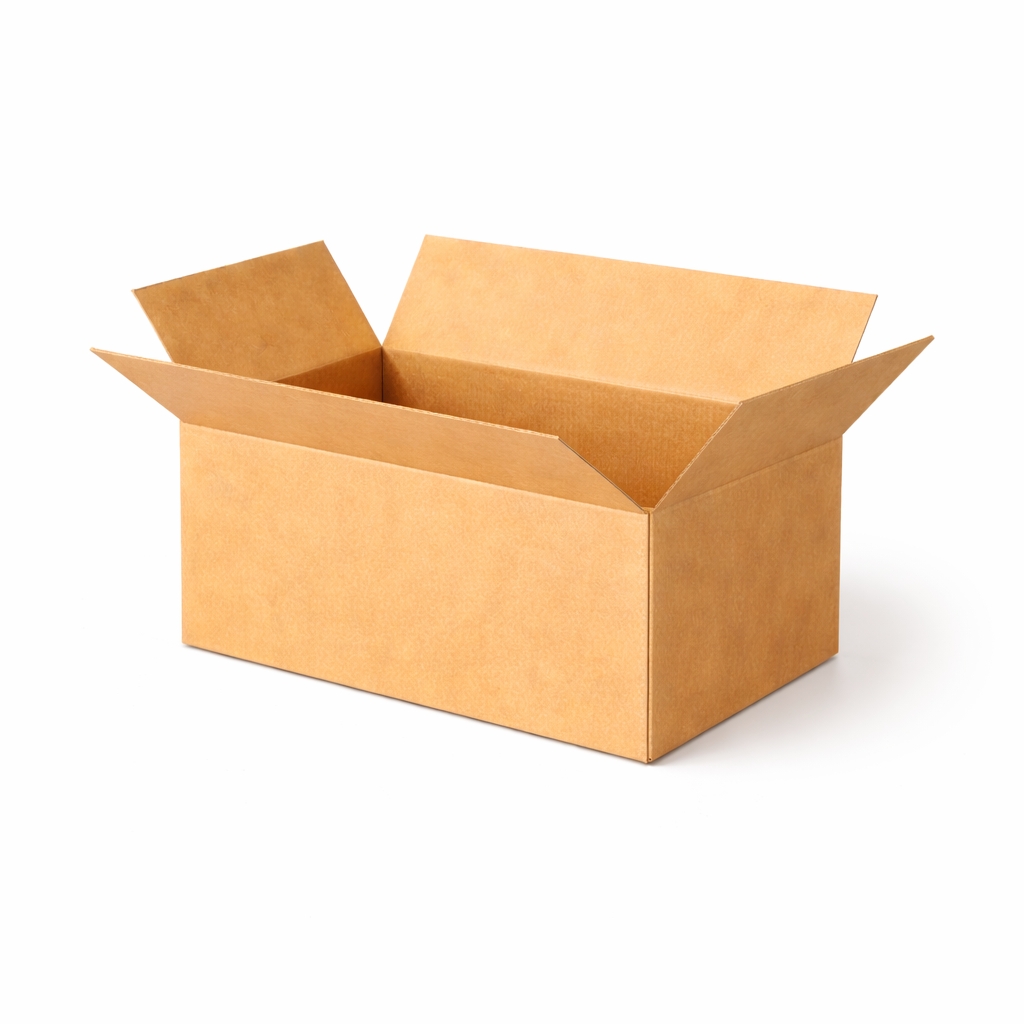
250 x 150 x 150mm Brown Corrugated Slotted Carton
Start by measuring your product at its widest points in all three dimensions. Add about 10-20mm to each side if you're using bubble wrap or other protective packaging, and that gives you your minimum box size. The math is simple, but getting it wrong means you're either cramming products into boxes that barely close or shipping half-empty cartons that cost more than they should.
Here's how to match common product types to the right box:- Small accessories, jewellery, or tech gadgets: The 310 x 230 x 105mm die-cut box works perfectly for items that need a premium look without taking up too much space
- Books, clothing, or medium retail products: The 250 x 150 x 150mm brown corrugated carton handles everyday shipping tasks without fuss
- Tall bottles, skincare sets, or vertical products: The 195 x 195 x 350mm option gives you height while keeping the footprint compact
Oversized boxes cost you twice. First, you pay more for the box itself. Second, dimensional weight pricing from carriers means you're charged based on the box size, not just what's inside. A product that weighs 500 grams but ships in an oversized box might get charged as if it weighs 2 kilograms.
☐ Measure product length, width, and height
☐ Add 10-20mm per side for cushioning material
☐ Check if your carrier uses dimensional weight pricing
☐ Test one box before ordering in bulk
☐ Consider stacking if shipping multiple items together
The 310 x 230 x 105mm black die-cut box sits in that useful middle ground where it's big enough for most small to medium products but compact enough to keep shipping costs reasonable. The die-cut design means no tape needed, which speeds up your packing process during busy periods.
Storage and Inventory Management
Running out of boxes during a busy sales period costs you more than just the rush shipping fees for emergency supplies. You lose time, create bottlenecks in your packing process, and sometimes have to delay shipments while you wait for stock to arrive. On the flip side, ordering too many boxes ties up cash and takes up valuable warehouse space that could hold actual inventory. The right balance depends on your shipping volume, storage capacity, and how predictable your order patterns are throughout the year.
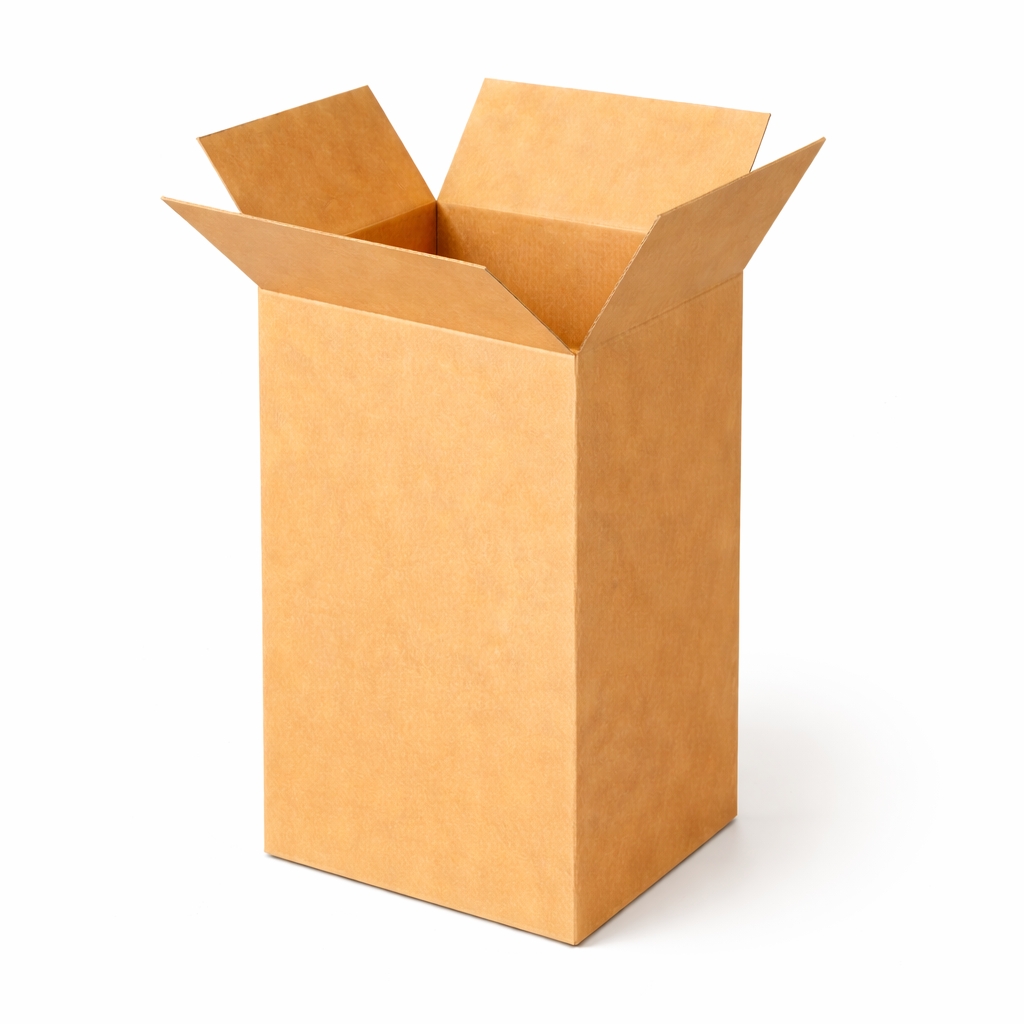
195 x 195 x 350mm Brown Corrugated Slotted Carton
Most small to medium businesses should keep 2-4 weeks of packaging supplies on hand based on average shipping volume. Calculate this by looking at your orders from the past three months, finding your average weekly box usage, then multiplying by three or four. Add a buffer of 20-30% if you run regular promotions or expect seasonal spikes.
Pack smarter. Ship with confidence.
Everything you need to pack, protect and send.
Discover dependable packaging for eCommerce, retail and wholesale—selected for quality, value and hassle-free shipping across Australia.
- Low minimum orders
- Samples available
- Australia-wide delivery
- Track your daily box usage for at least a month to establish baseline needs
- Set reorder points at 1.5 weeks of remaining stock to account for delivery time
- Store flat-pack boxes vertically to save up to 70% of floor space
- Group boxes by size and label storage areas clearly for quick access
- Keep your most-used size closest to your packing station
Flat-pack storage is where corrugated boxes really shine. The 195 x 195 x 350mm brown carton arrives flat and takes up minimal space until you need it. A stack of 50 flat boxes fits in the same space as about 7 assembled ones, which makes a huge difference if you're working out of a small warehouse or spare room.
Space-saving tips that actually work:Mount shelving units vertically and dedicate each shelf to a specific box size. Use the bottom shelf for your highest-volume size since it's easiest to grab quickly. Keep a small assembled stack of each size near your packing station so you're not constantly assembling boxes during rush periods. This setup lets one person pack 30-40 orders per hour instead of 15-20.
(Average daily usage × Lead time in days) + Safety stock = Reorder point
Example: If you use 10 boxes daily, supplier delivery takes 5 days, and you want 3 days safety stock:
(10 × 5) + (10 × 3) = 80 boxes is your reorder trigger
Quick assembly matters more than you'd think. The die-cut design on premium boxes means no tape gun needed, which saves about 5-10 seconds per box. That might not sound like much, but over 100 orders it's nearly 15 minutes saved. For standard corrugated boxes, invest in a proper tape dispenser and practice the fold sequence until it becomes automatic. Your packing speed directly affects how many orders you can process before the carrier's pickup time.
Consider requesting packaging samples before committing to large orders, especially if you're trying a new size or style. Testing with actual products prevents expensive mistakes and helps you fine-tune your packaging and supply chain efficiency before you're stuck with boxes that don't quite work.
The Real Cost of Your Packaging Decisions
Most businesses track what they pay per box, but the real cost of packaging and supply decisions runs much deeper than the price tag. A damaged shipment doesn't just cost you the product value—it triggers a chain reaction of refunds, replacement shipping, customer service hours, and potentially lost customers who never come back. When you factor in these hidden expenses, that cheap box you bought to save a few cents suddenly becomes the most expensive choice you could make. The difference between adequate packaging and proper packaging often determines whether your business builds loyalty or bleeds money through preventable losses.
Direct Versus Hidden Packaging Costs
The sticker price on your boxes represents only a fraction of total packaging expenses. Hidden costs accumulate silently and often exceed what you actually paid for the materials themselves.
- Direct costs include box price, tape, void fill, and labels
- Hidden costs cover damaged goods, return shipping, and replacement inventory
- Customer service time spent handling complaints adds labour expenses
- Negative reviews from poor unboxing experiences damage future sales
- Lost lifetime customer value when buyers switch to competitors
Calculating Total Cost Scenarios
The table below shows how a single damaged shipment changes your actual packaging cost. These numbers assume a $50 product value and typical return handling expenses.
| Scenario | Box Cost | Damage Rate | Total Cost Per 100 Units |
|---|---|---|---|
| Budget box | $0.80 | 8% | $480 |
| Standard box | $1.20 | 3% | $270 |
| Premium box | $1.60 | 0.5% | $185 |
The premium option costs twice as much per unit but saves you $295 per hundred shipments. Our Full Black Die Cut Boxes use sturdy construction that reduces damage rates while creating a memorable unboxing experience.
Shipping Dimensions and Volumetric Weight
Carriers charge based on whichever is greater—actual weight or volumetric weight. Choosing the right box size directly impacts every shipping label you print, according to essential packaging practices for freight and logistics.
- Oversized boxes trigger dimensional weight charges that can double shipping costs
- Right-sized packaging like our 250 x 150 x 150mm Brown Corrugated Cartons minimises wasted space
- Volume discounts make sense when you ship 100+ units monthly in the same size
- Environmental considerations now influence 73% of Australian consumers' purchase decisions
The math is simple but the impact is massive. Switching from a 350mm box to a 250mm box for the same product can save $2-4 per shipment in carrier fees alone.
Getting Your Packaging Right
Smart packaging and supply choices come down to matching your boxes to your actual business needs, not just picking the cheapest option. Your packaging affects shipping costs, customer experience, and how people see your brand the moment they open their order. Most businesses save money by testing a few different box sizes with real orders before committing to bulk purchases. The right packaging and supply strategy balances protection, cost, and presentation without overcomplicating things.
Start by thinking about what you want customers to feel when they receive your package. A premium product might need something like our Full Black Die Cut Box with its matte finish, while everyday items work fine in standard brown corrugated boxes. Your packaging should match your product value and brand positioning, but it doesn't need to be fancy to work well.
Calculate your total costs including the box price, void fill, tape, and how much space it takes up in shipping. A slightly more expensive box that fits better might actually cost less overall. Check out our packaging samples to test different options before you buy in bulk.
The best way to find what works is to ship a few orders in different box types and see what arrives safely without wasted space. You can also read more about cost-effective shipping methods that pair well with the right packaging choices. Most Australian suppliers offer sample packs, and testing now saves you from ordering hundreds of boxes that don't quite fit.
Common Packaging Questions Answered
Running an online business means dealing with packaging decisions almost daily, and the same questions tend to pop up again and again. Whether you're just starting out or looking to refine your packaging and supply strategy, these answers should help clear things up. We've gathered the most common questions we hear from Australian e-commerce owners and put together straightforward responses that actually help.
How much packaging should I order at once?
Most businesses find the sweet spot is ordering enough for 2-3 months of shipping volume. This gives you bulk pricing benefits without tying up too much cash or storage space. If you're seasonal, consider ordering heavier before your busy period hits.
What's the difference between B-flute and other corrugation types?
B-flute corrugated cardboard has smaller waves (called flutes) than standard A-flute or C-flute options, making it thinner but still strong. It's perfect for smaller items because it takes up less space whilst providing excellent crush resistance. Our Brown Corrugated Slotted Cartons use B-flute construction for this exact reason.
Do I need special boxes for fragile items?
Not necessarily special boxes, but you do need the right combination of box strength and internal padding. A sturdy corrugated box with proper bubble wrap or packing paper works for most fragile items. The key is choosing a box size that doesn't leave too much empty space where items can shift around during transit.
Can I use the same box for shipping and storage?
Yes, but shipping boxes are designed differently than storage boxes. Shipping boxes like our 195 x 195 x 350mm cartons are built to handle rough handling and stacking weight, which makes them overkill for simple storage. If you're storing inventory short-term before shipping, they work fine, but long-term storage might be better served with lighter options.
How do I know if premium packaging is worth it for my business?
Look at your product price point and brand positioning first. If you're selling items over $50 or building a lifestyle brand, premium packaging creates an unboxing experience that justifies the cost. Our Full Black Die Cut Boxes work brilliantly for brands wanting that polished look without breaking the budget.
What's the best way to store flat-packed boxes?
Keep them flat in a dry area away from moisture and direct sunlight. Stack them on pallets or shelving rather than directly on concrete floors, and don't stack too high or the bottom boxes might get crushed. A simple shelving unit in your warehouse or garage works perfectly for most small to medium businesses managing their packaging and supply inventory.