



Mailing Essentials for Safe and Cost-Effective Shipping
Why Your Mailing Choices Matter More Than You Think
Every damaged package that arrives at a customer's door costs you roughly three times the original sale value when you factor in replacements, return shipping, and lost future business. Most e-commerce owners focus on finding the cheapest mailing supplies without realizing that a few cents saved per shipment can translate into hundreds of dollars lost in returns and negative reviews. The right mailing materials from suppliers like Packee actually protect your profit margins while keeping customers happy enough to order again.
Table of Contents
- Why Your Mailing Choices Matter More Than You Think
- The Real Cost of Getting Mailing Wrong
- Choosing the Right Mailing Materials for Your Products
- Protecting Products Without Breaking the Bank
- Optimizing Box Sizes and Shipping Costs
- Streamlining Your Mailing Process for Efficiency
- Making Smart Mailing Investments That Pay Off
- Your Next Steps to Better Mailing
- Common Mailing Questions Answered
The Real Cost of Getting Mailing Wrong
About 1 in every 10 packages arrives damaged in Australia, and that number goes up when businesses cut corners on mailing supplies. When a customer opens a crushed box or finds their order broken inside, they don't just return the item. They leave bad reviews, tell their friends, and often never come back. The money you save on cheap packaging materials ends up costing way more when you factor in returns, replacements, and lost customers.

What Happens When Packages Fail
Poor mailing choices create a chain reaction of problems that hit your bottom line hard. A damaged package doesn't just mean one unhappy customer. It means paying for return shipping, sending a replacement, dealing with customer service time, and potentially losing that customer forever.
Here's what most small businesses face when their mailing goes wrong:
- Return rates jump to 15-20% compared to the industry average of 8-10%
- Customer service costs triple as staff handle complaints and process refunds
- Negative reviews pile up, with damaged delivery being the second most common complaint in online shopping
- Repeat purchase rates drop by nearly 40% after a single bad delivery experience
The Numbers Behind Packaging Failures
Let's break down what packaging failures actually cost compared to doing it right from the start. The difference between proper mailing supplies and cheap alternatives shows up fast in your profit margins.
| Cost Factor | Poor Packaging | Proper Mailing |
|---|---|---|
| Initial Package Cost | $2.50 | $4.00 |
| Damage Rate | 18% | 3% |
| Return Shipping | $8.50 | $8.50 |
| Replacement Cost | $15.00 | $15.00 |
| Total Per 100 Orders | $673.00 | $1,105.50 |
The math seems backwards at first, but here's the thing. When 18 out of 100 packages get damaged with cheap materials, you're paying for returns and replacements that wipe out any savings. With quality mailing supplies like the range at Packee, only 3 packages might have issues, saving you money overall.
Industry Standards for Packaging Investment
Most successful online businesses spend between 5-10% of their product value on packaging and mailing supplies. Going below 3% usually means you're taking risks that will catch up with you. According to research from global shipping organizations, companies that invest properly in their mailing infrastructure see better customer retention and fewer operational headaches.
The sweet spot for packaging costs depends on what you're shipping:
- Fragile items like glassware or electronics need 8-12% of product value in protective mailing materials
- Clothing and soft goods can work with 4-6% investment in quality mailers and bags
- Books and non-fragile items still need 5-7% to ensure professional presentation and protection
Smart businesses also track their damage rates monthly and adjust their mailing approach based on real data. If your return rate for damaged goods sits above 5%, your packaging strategy needs work. The goal isn't just getting products from point A to point B. It's making sure they arrive in perfect condition so customers want to order again.
Choosing the Right Mailing Materials for Your Products
About 30% of online shoppers say they won't buy from a retailer again after receiving damaged goods. That's a huge chunk of potential repeat business lost just because of poor packaging choices. The truth is, picking the right mailing materials isn't just about wrapping something up and sending it off. It's about understanding what your product actually needs to arrive safely, while keeping your costs under control. Different products need different levels of protection, and using the wrong materials can either waste your money or cost you customers.
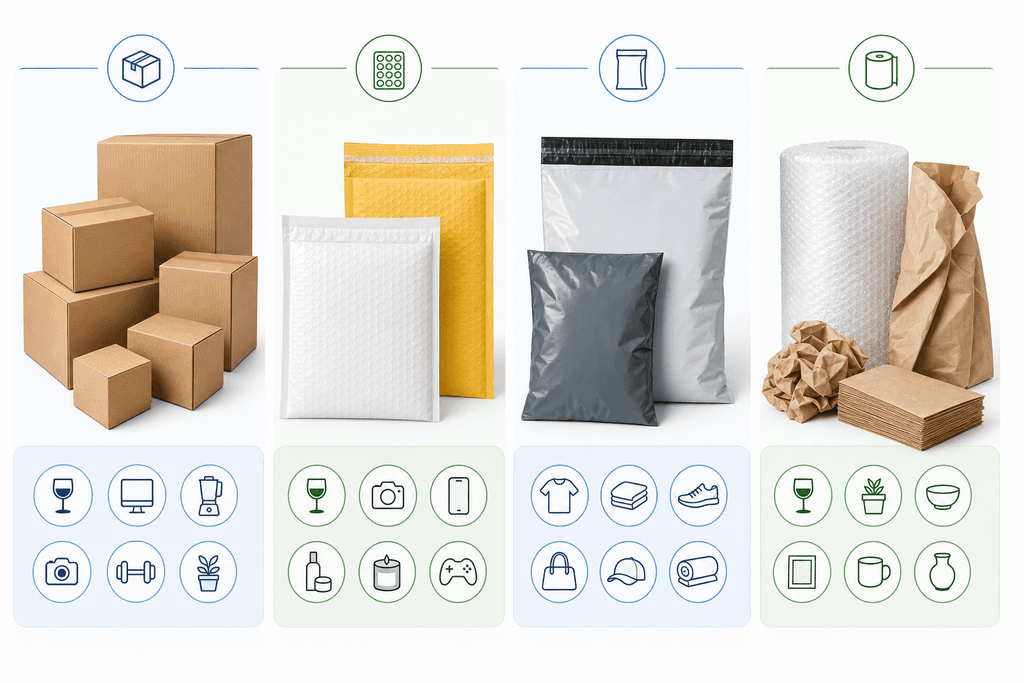
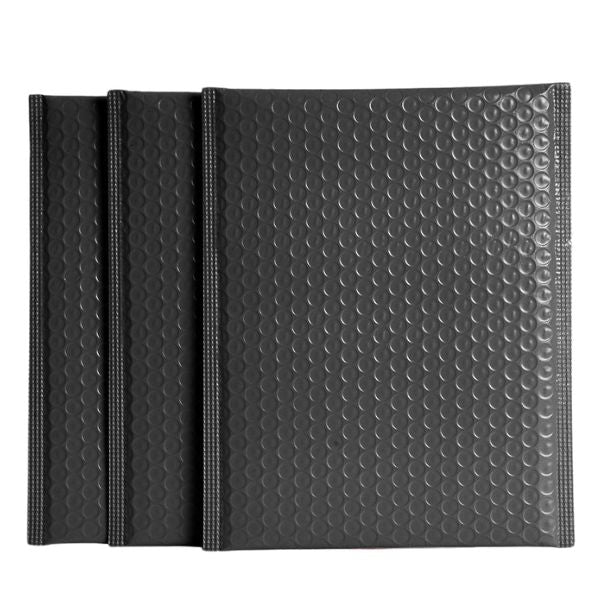
The first decision most businesses face is choosing between mailing boxes and padded envelopes. Padded envelopes work great for soft goods like clothing, books, or flat items that won't get crushed easily. They're lighter, which means lower shipping costs, and they take up less storage space in your warehouse or stockroom. But here's where people mess up: they try to squeeze hard or fragile items into envelopes to save a few cents, and those products arrive broken.
- Use padded envelopes for: Clothing, documents, books, soft accessories, non-breakable flat items
- Use mailing boxes for: Electronics, glassware, ceramics, multiple items, anything with corners or edges, products over 500g
- Consider product value: High-value items deserve box protection regardless of fragility
- Think about presentation: Premium products often need the unboxing experience a box provides
Material quality makes a bigger difference than most people realize. A cheap, thin-walled box might cost 20 cents less, but if it collapses during transit, you're looking at refunds, replacements, and damaged reputation. We've seen businesses switch to slightly thicker corrugated boxes and cut their damage claims in half. The same goes for padded envelopes - the ones with proper bubble lining protect way better than paper-padded versions.
Size and weight considerations tie directly into your shipping costs because carriers in Australia charge based on whichever is greater: actual weight or dimensional weight. That oversized box you're using for a small item might be costing you double what it should. At the same time, cramming products into too-small packaging leads to bursting seams and damaged goods.
| Product Type | Best Material | Protection Level | Cost Efficiency |
|---|---|---|---|
| Soft goods | Padded envelope | Low-Medium | High |
| Books/Media | Cardboard mailer | Medium | High |
| Electronics | Double-wall box | High | Medium |
| Glassware | Heavy-duty box | Very High | Medium-Low |
| Cosmetics | Standard box | Medium-High | Medium |
Eco-friendly options have come a long way in recent years. You don't have to sacrifice protection to go green anymore. Recycled cardboard boxes, biodegradable padded mailers, and paper-based void fill all perform well while appealing to environmentally conscious customers. Plus, many buyers actually prefer businesses that use sustainable packaging.
Protecting Products Without Breaking the Bank
The space between your product and the box walls is where protection happens. Too many businesses either overstuff packages with expensive bubble wrap or leave items rattling around with nothing. Both approaches cost money - one in materials, the other in returns. The smart approach is layering your protection based on what you're actually shipping. Start with the product itself, add a primary protective layer, then fill the voids, and finally seal everything properly.

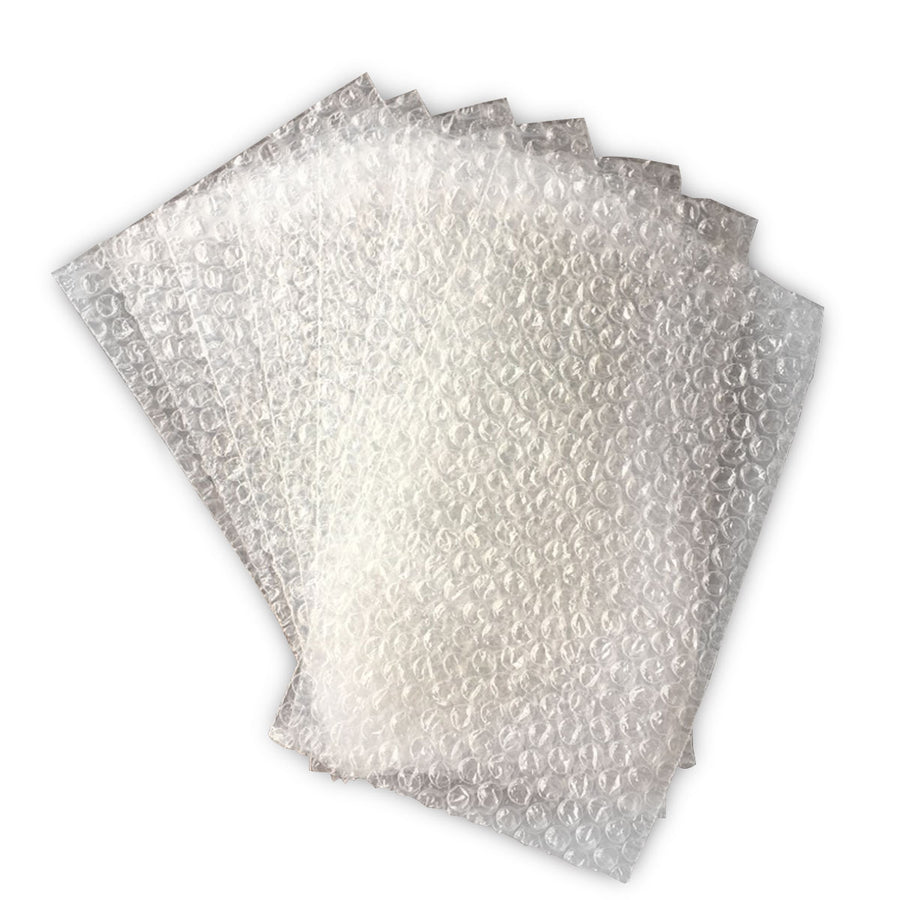
Bubble wrap, paper fill, and air pillows each have their place in your packing station. Bubble wrap works best for wrapping individual fragile items because it cushions against impacts from any direction. Paper fill is cheaper and works great for filling empty spaces around sturdy items. Air pillows are lightweight, which keeps shipping costs down, but they're not ideal for heavy products that might pop them.
- Wrap the product: Use bubble wrap or tissue paper as the first layer of protection
- Position in box: Center the item so it's not touching any walls
- Fill voids: Add paper fill or air pillows to prevent movement
- Test the shake: Close the box and shake it - nothing should move
- Seal properly: Use quality packing tape on all seams and edges
- Label clearly: Mark fragile items appropriately
Corner and edge protection often gets overlooked, but these are the most vulnerable parts of most products. Picture frames, tablets, books, and boxed goods all take the most damage on their corners. A simple cardboard corner protector costs pennies but can prevent costly damage claims.
Quality packing tape matters more than people think. That cheap tape might save you a dollar per roll, but it fails in heat, cold, or humidity. We stock proper packaging tape that stays sealed regardless of conditions, because the last thing you want is a box opening mid-transit. The right packing essentials make a real difference in how your products arrive.
Before you commit to a packaging method for a new product line, test it. Ship a few packages to yourself or friends in different locations. See how they arrive. This simple step catches problems before they become expensive patterns. And here's something most small businesses miss: buying in bulk drops your per-unit costs dramatically, but only if you're using the right materials to begin with.
Pack smarter. Ship with confidence.
Everything you need to pack, protect and send.
Discover dependable packaging for eCommerce, retail and wholesale—selected for quality, value and hassle-free shipping across Australia.
- Low minimum orders
- Samples available
- Australia-wide delivery
Optimizing Box Sizes and Shipping Costs
Australian shipping carriers calculate costs using dimensional weight, which means a large, light box can cost as much to ship as a small, heavy one. The formula is simple: length × width × height ÷ 5000 gives you the dimensional weight in kilograms. If this number is higher than your actual weight, you're paying for air. That's why having the right box sizes in your inventory is crucial for controlling costs. A box that's even 5cm too large in each dimension can bump you into the next pricing tier.
Right-sizing your packaging means matching box dimensions as closely as possible to your products. If you're shipping the same items repeatedly, it's worth measuring your most common products and stocking boxes that fit them well. For businesses shipping varied products, having 4-5 standard box sizes usually covers most situations without requiring a massive inventory.
- Small items (books, cosmetics): 20cm × 15cm × 10cm range
- Medium products (shoes, electronics): 30cm × 25cm × 15cm range
- Large goods (clothing bundles): 40cm × 30cm × 20cm range
- Bulky items: Custom sizing or largest standard box
Custom boxes start making financial sense when you're shipping high volumes of similar-sized products. The break-even point is usually around 1,000 units, depending on the size. But most small to medium e-commerce businesses do better with a smart selection of standard sizes. The key is reducing void space without cramming products into boxes that are too tight.
Each carrier has specific requirements and restrictions that affect your costs. Some offer flat-rate boxes where you can ship anything that fits for one price, regardless of weight. These work great for heavy, compact items but waste money on light, bulky products. Understanding these options helps you choose the most cost-effective method for each shipment.
Reducing dimensional weight can cut your shipping costs by 20-40% without changing carriers or service levels. It's just about using appropriately sized boxes and not leaving empty space. Our range of mailing boxes includes various sizes specifically designed to help businesses optimize their shipping costs while maintaining proper protection.
Streamlining Your Mailing Process for Efficiency
A well-organized packing station saves time on every single order you ship. When your team has to hunt for tape, search for the right box size, or figure out how to pack each item from scratch, those minutes add up fast. Setting up a proper workspace with everything within arm's reach and a clear process to follow can double your packing speed. The setup doesn't need to be fancy - just logical and consistent.
Your packing station should have zones: incoming orders, box selection, packing materials, sealing and labeling, and outgoing shipments. Keep your most-used box sizes at eye level and within easy reach. Store packing tape dispensers, scissors, and markers in the same spot every time. This might sound basic, but you'd be surprised how many businesses lose productivity to disorganization.
| Station Element | Purpose | Priority Level |
|---|---|---|
| Box storage | Quick size selection | High |
| Packing materials | Protection supplies | High |
| Tape dispenser | Fast sealing | High |
| Scale | Accurate shipping | Medium |
| Label printer | Professional labels | Medium |
Inventory management for mailing supplies prevents those frustrating moments when you run out of boxes mid-shift. Track your usage patterns and reorder before you hit critical levels. Wholesale pricing and bulk orders make this easier - when you're getting free delivery on orders over a certain amount, it makes sense to stock up on your regular supplies.
Creating standard operating procedures for different product types eliminates guesswork and ensures consistency. Write down exactly how to pack your most common items, including which box size to use, what protection materials to add, and how to seal it. New staff can follow these guides, and experienced packers work faster when they're not making decisions from scratch each time.
Quality control checkpoints catch mistakes before they become customer complaints. A quick visual check before sealing - is the product protected, is there excess void space, is the box the right size - takes five seconds but prevents problems. Some businesses do random inspections of packed orders, which helps identify training needs or process improvements.
The efficiency gains from proper systems compound over time. What starts as saving 30 seconds per package becomes hours saved per week, which translates to lower labor costs and the ability to handle more orders without hiring additional staff.
Making Smart Mailing Investments That Pay Off
Most businesses treat mailing supplies as a simple expense line item, but the numbers tell a different story. When you dig into the actual costs of damaged shipments, customer complaints, and repeat orders, the price difference between cheap and quality packaging often disappears completely. A single damaged item can cost you the product value, return shipping, replacement shipping, and worst of all, a customer who never comes back. The real question isn't whether you can afford better mailing materials, it's whether you can afford not to use them.
Calculating Real Packaging ROI
The math behind packaging investments is simpler than most people think. Start by tracking your current damage rate and multiply it by your average order value plus shipping costs both ways. Then add the time your team spends handling complaints and processing replacements.
- Track damage rates monthly to establish your baseline costs
- Calculate total replacement costs including labor and shipping
- Measure customer retention rates based on delivery condition
- Factor in negative reviews that impact future sales
When Premium Mailing Supplies Make Sense
Not every shipment needs premium packaging, but knowing when to upgrade saves money in the long run. High-value items, fragile products, and international shipments almost always justify better quality mailing materials. At Packee, we see businesses cut their damage rates by 60-80% just by switching from basic boxes to properly rated packaging for their specific products.
Case Study: Melbourne Cosmetics Retailer
A small cosmetics business was losing $2,400 monthly on damaged glass bottles using standard boxes. After switching to padded mailers with bubble wrap inserts, their damage rate dropped from 8% to under 1%. The upgraded packaging cost an extra $0.45 per shipment, but saved them over $2,000 monthly in replacements and complaints.
Measuring What Matters
You can't improve what you don't measure. The most successful businesses track specific metrics that connect packaging quality to bottom-line results. According to recent shipping efficiency research, companies that actively monitor packaging performance see 23% lower overall shipping costs.
- Monitor customer feedback specifically mentioning packaging quality
- Track return rates and identify packaging-related causes
- Calculate cost per successful delivery, not just cost per box
- Review quarterly to spot trends before they become expensive problems
Balancing Brand and Budget
Your packaging is often the first physical touchpoint with customers, but that doesn't mean you need custom printed everything. Smart businesses focus their budget where it counts. Clean, professional mailing supplies that protect products well create better impressions than fancy boxes that arrive crushed.
Case Study: Sydney Clothing Brand
An online fashion retailer was spending $4.50 per order on custom printed boxes. They switched to quality plain mailers with a simple branded sticker, dropping costs to $1.80 per shipment. Customer satisfaction scores actually improved because items arrived in better condition, and they reinvested the savings into faster shipping options.
The Eco-Friendly Advantage
Sustainable mailing choices aren't just good PR anymore, they're becoming good business. Customers increasingly choose brands that align with their values, and eco-friendly packaging often costs less than people expect. Recyclable materials and right-sized packaging reduce both environmental impact and shipping costs by cutting dimensional weight charges.
- Biodegradable options now compete on price with traditional materials
- Customers report 40% higher satisfaction with sustainable packaging
- Reduced packaging waste lowers disposal costs for your business
Your Next Steps to Better Mailing
Getting your mailing process right doesn't have to be complicated. The basics matter most: choosing the right box size saves you money on shipping costs, using proper padding keeps products safe during transit, and quality tape prevents those nightmare scenarios where packages fall apart mid-delivery. These three things alone will solve most of the headaches you're dealing with right now.
Start with the quick wins today. Measure your most common products and stock the exact box sizes you need instead of using whatever's lying around. Switch to padded envelopes for smaller items that don't need a full box. At Packee, we keep pricing competitive so you can stock up without breaking your budget, plus orders over $550 get free delivery in Sydney metro areas.
The improvements you make to your mailing process compound over time. Better packaging means fewer returns from damage. Right-sized boxes mean lower shipping fees every single order. Quality supplies mean less time dealing with supplier issues and more time growing your business.
Your shipping process will keep evolving as your business grows. What works when you're sending 20 packages a week might not cut it at 200 packages. The key is having reliable suppliers who can scale with you and keep quality consistent, whether you're ordering small batches or wholesale quantities.
You probably have questions about specific situations you're facing with your mailing setup. Let's tackle some of the most common ones.
Common Mailing Questions Answered
Getting your mailing strategy right can feel overwhelming when you're juggling costs, product safety, and customer satisfaction all at once. These are the questions we hear most often from Australian businesses trying to nail down their shipping process. The answers might surprise you, especially when it comes to what actually saves money versus what just seems cheaper upfront.
What's the most cost-effective mailing option for small items?
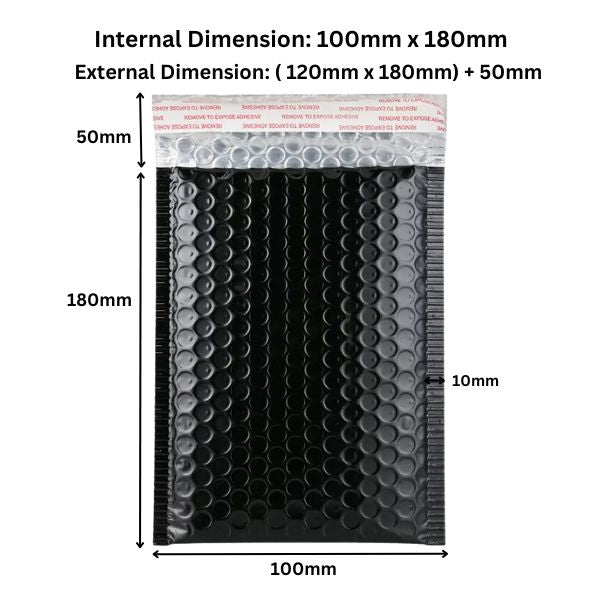
Padded envelopes are your best bet for lightweight items under 500g that don't need rigid protection. They're cheaper to ship than boxes because of their lower dimensional weight, and they still offer decent cushioning for non-fragile products like clothing, books, or cosmetics. At Packee, our padded envelopes come in various sizes so you're not paying for excess space that adds to shipping costs.
How much padding do I really need for fragile products?
A good rule is to have at least 5cm of cushioning material on all sides of your fragile item. This creates enough buffer zone to absorb impacts during transit, which happens more often than most people think. Bubble wrap, foam inserts, or crumpled paper all work, but the key is filling every gap so nothing shifts around inside the box.
When should I use boxes instead of padded envelopes?
Switch to boxes for anything fragile, items over 1kg, or products with irregular shapes that could get crushed. Boxes provide structural protection that envelopes simply can't match, especially for glass, electronics, or stacked items. If your product would break from being bent or compressed under other parcels, it needs a box.
How can I reduce shipping costs without risking damage?
Right-sizing your packaging is the biggest money saver most businesses overlook. Using a box that's too large means you're paying for air and wasting padding materials to fill the gaps. Stock multiple box sizes and choose the smallest one that fits your product with proper cushioning, and you'll see your shipping bills drop without compromising safety.
What mailing supplies should I keep in stock?
Every business needs a core inventory of different sized mailing boxes, padded envelopes, packing tape, and at least one type of cushioning material. Having variety on hand means you can package orders immediately without scrambling for supplies or forcing products into wrong-sized packaging. We offer free delivery on orders over $550 in Sydney metro, which makes it easy to stock up without the delivery fees eating into your budget.
Are eco-friendly mailing options more expensive?
Not necessarily, and the gap is closing fast. Recycled cardboard boxes and paper-based padding often cost about the same as traditional options, especially when you buy in bulk. The real savings come from customer loyalty, since many shoppers actively prefer businesses that use sustainable packaging and will pay slightly more or return more often.