




Mailing Boxes Guide for Safe Shipping and Size Selection
A damaged product costs you twice: once in the refund and again in the customer you've lost forever. Most e-commerce businesses don't realise that choosing the wrong boxes mailing solution adds 15-30% to their shipping costs through wasted space, excess materials, and preventable returns. This guide walks Australian business owners through selecting the right box sizes and types to protect products, cut costs, and keep customers happy.
How much clearance space should you leave inside a mailing box?
Leave 2 to 5 centimetres of clearance space on all sides of the product inside a mailing box to allow room for protective cushioning materials. This spacing prevents the item from shifting during transit and absorbs impact from drops or rough handling.
What is the most cost-effective mailing box size for small items?
Small mailing boxes measuring 20 x 15 x 10 centimetres are the most cost-effective for items like jewellery, cosmetics, and phone accessories because they minimise dimensional weight charges whilst providing adequate protection. Australia Post and most courier services charge based on volumetric weight, making compact packaging essential for reducing shipping costs.
What percentage of product damage during shipping is caused by inadequate packaging?
Approximately 70 per cent of product damage during shipping results from inadequate packaging, including incorrect box size selection and insufficient cushioning materials. Proper box selection with appropriate internal protection reduces damage claims and customer returns significantly.
Table of Contents
- Understanding Mailing Box Basics
- Matching Box Dimensions to Your Products
- The 5cm Rule for Safe Packing
- Real World Box Selection Examples
- When Void Fill Becomes Critical
- Weather and Common Packing Mistakes
- Cost Effective Options for High Volume Shipping
- Product Recommendations by Use Case
- Making Smart Purchasing Decisions
- Getting Your Packaging Right
- Common Questions About Mailing Boxes
Understanding Mailing Box Basics
About 30% of all products get damaged during shipping because businesses pick the wrong type of box for their needs. When you're sending products to customers, the box you choose matters just as much as what's inside it. Different boxes mailing options exist because they each solve specific problems, from protecting fragile items to creating memorable unboxing experiences. Understanding the basics of box construction and materials helps you avoid costly returns and keeps your customers happy.
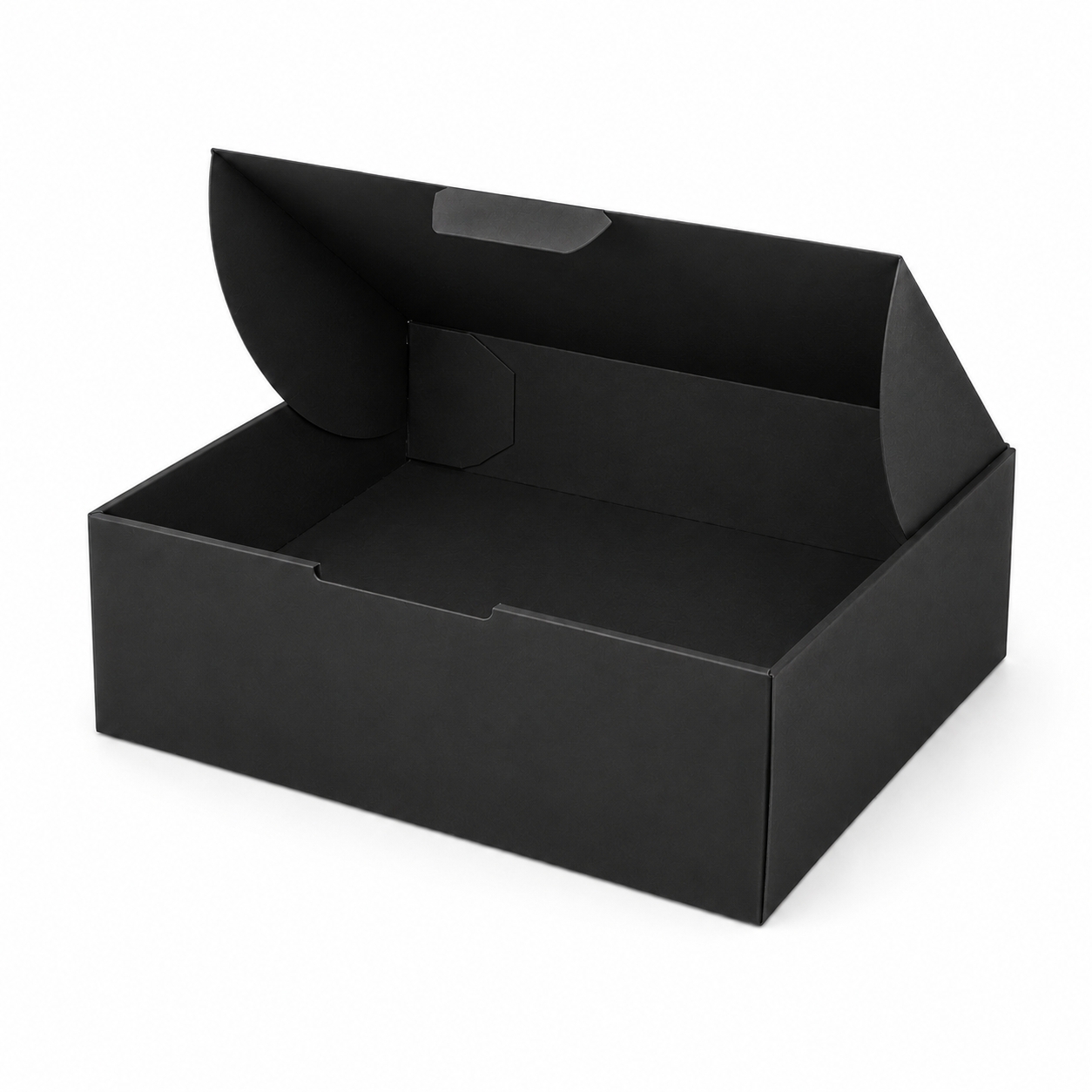
310 x 230 x 105 mm Full Black Die Cut Mailing Shipping Packing Cardboard Boxes
Die-Cut Boxes vs Corrugated Cartons
The two main types of boxes mailing businesses use are die-cut boxes and corrugated slotted cartons, and they're built quite differently. Die-cut boxes come pre-scored and fold together without tape, making them perfect for retail packaging and subscription boxes. Our Full Black Die Cut Boxes show how this design creates a clean, professional look that customers remember.
Corrugated slotted cartons use the RSC (Regular Slotted Carton) design, which means they have flaps that meet in the middle and need tape to seal. They're the workhorses of the shipping world because they're cheap, strong, and stack well in warehouses.
| Feature | Die-Cut Boxes | Corrugated Cartons |
|---|---|---|
| Assembly | No tape needed | Requires packing tape |
| Best For | Retail, gifts, branding | Bulk shipping, storage |
| Cost | Higher per unit | Lower per unit |
| Appearance | Premium, clean finish | Standard, functional |
| Customisation | Easy to brand | Limited options |
What B Flute Means for Protection
The wavy layer inside corrugated cardboard is called fluting, and B flute is the most common type for shipping boxes. It's about 3mm thick and provides excellent cushioning without making boxes too bulky. Single-wall corrugated means there's one layer of fluting sandwiched between two flat sheets of cardboard, which handles most everyday shipping needs perfectly fine.
B flute corrugated cardboard resists crushing better than thinner options, protecting your products from the bumps and drops that happen during transit. According to shipping dimension guidelines, matching your box strength to your product weight prevents damage and reduces dimensional weight charges from carriers.
Why RSC Design Dominates Shipping
The Regular Slotted Carton design became the industry standard because it solves multiple problems at once. The four flaps that fold from each side create a double layer of protection on top and bottom, right where boxes need it most during stacking.
- Flaps meet in the middle, making tape application quick and secure
- Design works efficiently for automated packing lines in warehouses
- Boxes lay flat for storage, saving space before assembly
- Compatible with standard box sizes that carriers recognise
Our Brown Corrugated Slotted Cartons use this proven RSC design because it simply works for daily shipping tasks. While competitors like thepackagingpeople.com.au and ozpack.com.au offer similar options, understanding why this design matters helps you make smarter choices about when to use it versus other box types.
Matching Box Dimensions to Your Products
Most damaged shipments happen because the box was the wrong size, not because the courier was rough. When you're running an online store, choosing the right box size affects everything from shipping costs to customer satisfaction. Getting this right means measuring your products properly and understanding which box shape works best for what you're sending. The difference between a flat box and a tall box isn't just about dimensions, it's about how your product sits during transit and whether it arrives in one piece.
Start by measuring your product at its longest, widest, and tallest points, even if those measurements are at different angles. A book is easy, but what about a handbag with a handle or a mug with a protruding spout? Always measure the absolute maximum dimensions including any parts that stick out.
The 5cm Rule for Safe Packing
Add at least 5cm to each dimension of your product measurement to account for protective materials. This extra space isn't wasted, it's where your bubble wrap, paper, or foam goes. Without this buffer, you're basically shipping your product in a box that's too tight, which means the box itself becomes the only protection.
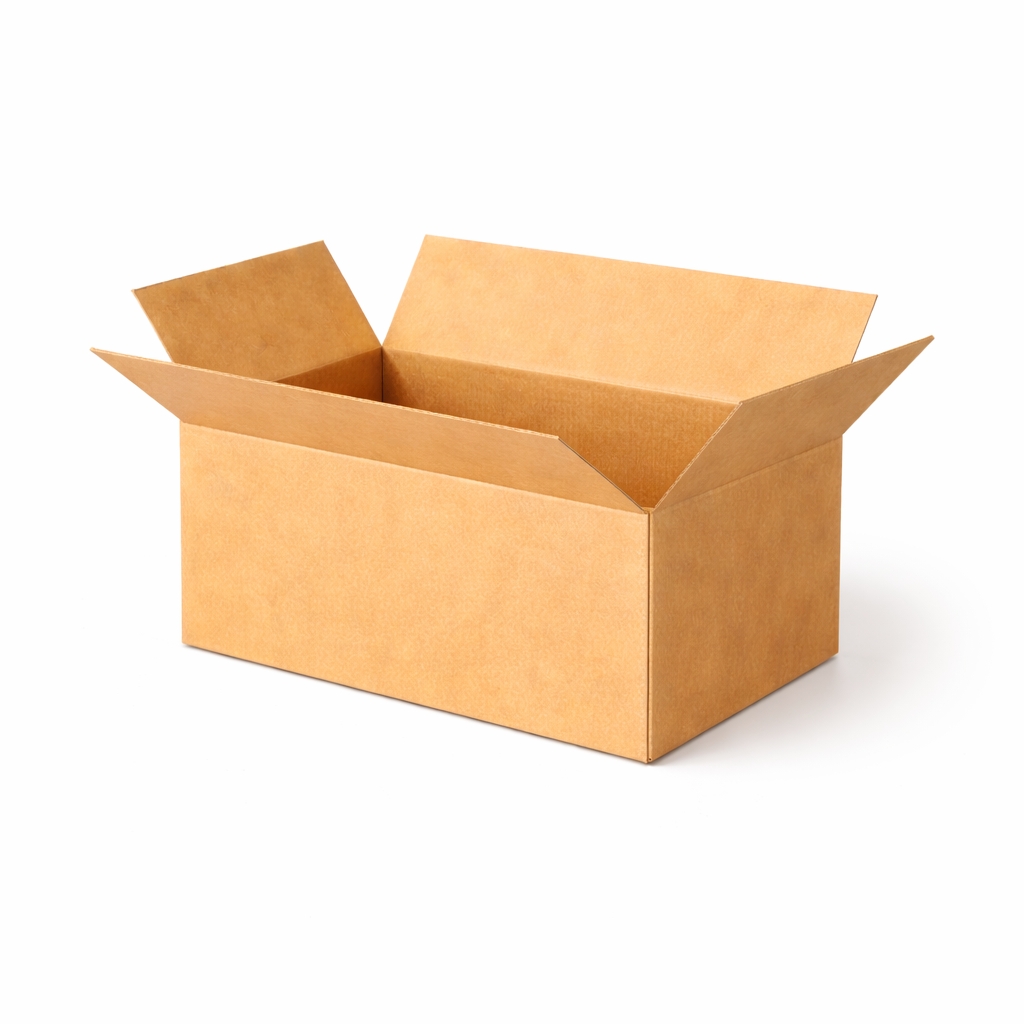
250 x 150 x 150mm Brown Corrugated Slotted Carton
- Flat items like books or clothing: use boxes with a low height profile like the 310 x 230 x 105mm die-cut box
- Cube-shaped products or multiple small items: the 250 x 150 x 150mm brown corrugated box keeps things centred
- Tall or cylindrical items like bottles or candles: go with the 195 x 195 x 350mm tall brown box to prevent tipping
- Fragile items: always size up one box to allow for extra cushioning material
Real World Box Selection Examples
A clothing boutique shipping folded t-shirts and accessories would use the 310 x 230 x 105mm box because it's shallow enough to prevent items from shifting around during transit. The same box works perfectly for jewellery, phone cases, or cosmetics where presentation matters. For spare parts suppliers or bookstores shipping multiple items, the 250 x 150 x 150mm cube shape keeps everything compact and reduces the amount of void fill needed.
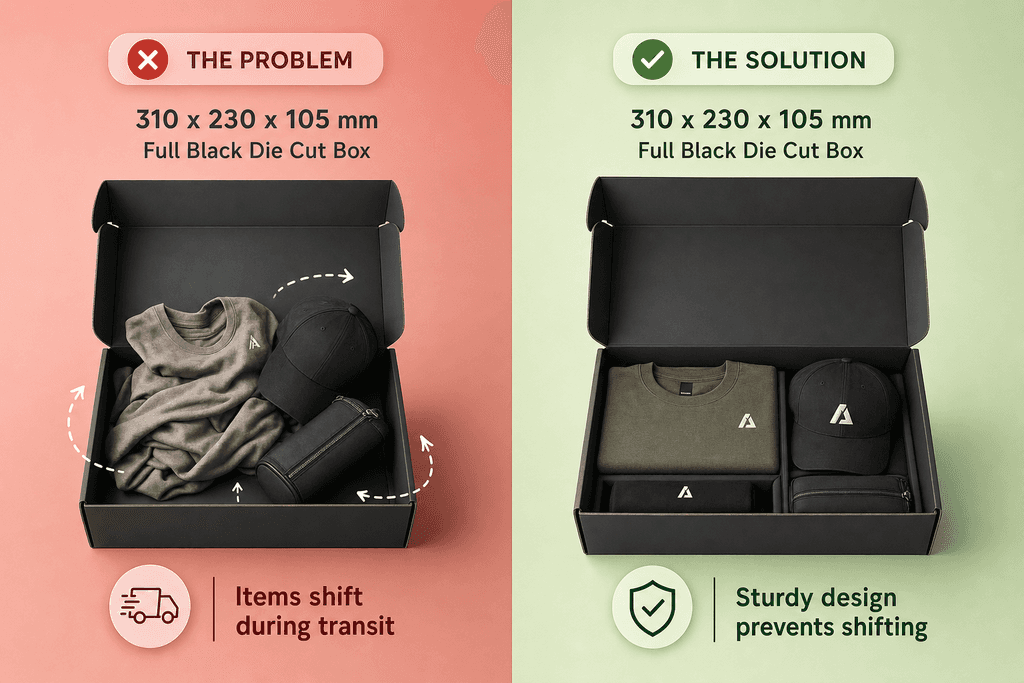
Here's something most sellers learn the hard way: oversized boxes cost you twice. First, you pay more for the box itself. Second, couriers charge based on dimensional weight, which means a half-empty large box costs the same to ship as a heavy small box. Choosing the right shipping box size directly impacts your bottom line because dimensional weight pricing penalises wasted space.
Product Measurement and Box Selection Checklist
- Measure product at longest, widest, and tallest points (include handles, spouts, any protrusions)
- Add 5cm to each dimension for cushioning space
- Determine product shape: flat, cube, or tall
- Select box type based on shape and required presentation level
- Test pack one item with actual cushioning materials before bulk ordering
- Calculate dimensional weight to confirm shipping cost expectations
Protecting Products During Transit
Your box is only as good as what's inside it. Even the strongest corrugated cardboard won't save a fragile item if it's rattling around loose. The type of cushioning you need depends entirely on what you're shipping and how far it's travelling. Electronics need anti-static bubble wrap, glassware needs thick foam or paper, and soft goods like clothing often need nothing more than tissue paper to prevent dust. The goal isn't to use the most cushioning possible, it's to use the right amount in the right places.
Box strength matters more than most sellers realise. Corrugated cardboard like our brown boxes uses a fluted layer between two flat sheets, which gives it serious crush resistance. This construction handles stacking in delivery trucks and warehouse storage. Die-cut boxes are made from solid cardboard and work well for lighter items where presentation is important, but they're not designed for heavy products or rough handling.
When Void Fill Becomes Critical
Void fill is anything that takes up empty space in your box. If your product can move more than 2cm in any direction when the box is sealed, you need more void fill. Paper, bubble wrap, air pillows, or even crumpled kraft paper all work, but the choice depends on your product weight and fragility.
| Protection Method | Best For | Cost Level | Protection Rating |
|---|---|---|---|
| Bubble wrap | Fragile items, electronics | Medium | High |
| Kraft paper | General products, void fill | Low | Medium |
| Foam sheets | Glass, ceramics, screens | High | Very High |
| Air pillows | Lightweight void fill | Low | Low-Medium |
Stacking strength determines whether your box survives being at the bottom of a pallet with 50 other boxes on top. Single-wall corrugated boxes like our 250 x 150 x 150mm and 195 x 195 x 350mm options handle typical courier conditions without collapsing. The B flute construction provides excellent compression resistance, which is why these boxes work for everything from books to spare parts.
Weather and Common Packing Mistakes
Corrugated cardboard loses about 50% of its strength when wet, which is why right-size packaging includes considering weather protection. For valuable items, wrap the product in a plastic bag before adding cushioning. This simple step prevents moisture damage during unexpected rain or humid storage conditions.
The biggest packing mistakes that lead to damage claims are using boxes that are too large, not securing items in the centre of the box, and forgetting to seal all flaps properly. Every box should be sealed with quality packing tape on all seams, not just the top. Side seams take stress during handling and often split first if they're not reinforced.
Balancing Cost, Brand Image, and Functionality
The box your customer opens creates an impression before they even see the product inside. Premium brands use this to their advantage with sleek packaging that feels intentional and considered. Budget brands focus on function and cost efficiency, which is perfectly fine when your customers care more about price than presentation. The trick is knowing which approach matches your business model and customer expectations. A handmade jewellery brand needs different packaging than a spare parts supplier, even if they're shipping similar-sized items.
Our 310 x 230 x 105mm full black die-cut box costs $19.95 for a pack and delivers that premium unboxing experience that makes customers remember your brand. The matte black finish and easy-open die-cut design work perfectly for fashion accessories, cosmetics, or any product where presentation drives repeat purchases. This isn't about being fancy for no reason, it's about matching your packaging to your brand positioning.
Cost Effective Options for High Volume Shipping
Pack smarter. Ship with confidence.
Everything you need to pack, protect and send.
Discover dependable packaging for eCommerce, retail and wholesale—selected for quality, value and hassle-free shipping across Australia.
- Low minimum orders
- Samples available
- Australia-wide delivery
When you're shipping 50 orders a day, every dollar per box adds up fast. Brown corrugated boxes are the workhorse of e-commerce because they're affordable, protective, and customers expect them. Our 250 x 150 x 150mm brown box at $14.95 per pack handles most general shipping needs without breaking your budget. The 195 x 195 x 350mm tall version at $21.95 works for bottles, candles, or stacked items that need vertical space.
- Premium presentation: Black die-cut boxes for products over $50 or luxury items
- Standard shipping: Brown corrugated for everyday orders and functional products
- Tall products: Vertical boxes prevent tipping and reduce void fill needs
- Bulk ordering: Buying boxes in larger quantities drops per-unit cost significantly
The true cost per shipment includes the box, cushioning materials, tape, and the shipping rate itself. A box that's 5cm too large might only cost 50 cents more, but if it bumps you into the next dimensional weight bracket, that's an extra $3-5 per shipment. Choosing the right box size means calculating all these factors together, not just the box price alone.
Product Recommendations by Use Case
| Box Type | Dimensions | Best For | Price |
|---|---|---|---|
| Black Die-Cut | 310 x 230 x 105mm | Premium items, gifts, fashion | $19.95 |
| Brown Corrugated | 250 x 150 x 150mm | General shipping, books, parts | $14.95 |
| Tall Brown Box | 195 x 195 x 350mm | Bottles, candles, vertical items | $21.95 |
Bulk ordering drops your per-unit cost substantially, but only if you're confident in the size. Start with a single pack to test your packing process, then order larger quantities once you know it works. Many sellers keep two or three box sizes in stock to handle their most common product dimensions, which covers about 80% of orders without needing custom solutions.
If you need different sizes for specific products, check out our full range of mailing boxes or explore mailing essentials for safe and cost-effective shipping. For smaller items, our 174 x 128 x 53mm boxes work well, while larger shipments might need our 320 x 240 x 160mm option.
Making Smart Purchasing Decisions
Australian businesses waste an average of 15-20% of their packaging budget on poorly planned box purchases, according to industry shipping data. The difference between smart purchasing and reactive buying comes down to understanding your actual needs versus guessing what might work. Most small businesses start by ordering one box size and hoping everything fits, which leads to either cramming products into tight spaces or filling half-empty boxes with void fill. Neither approach saves money or protects your products properly.
Forecasting your box quantity needs starts with looking at your order history from the past three months. Count how many items you shipped in each size category, then add 20% for growth and seasonal spikes. Working with Australian suppliers like Packee means you can reorder quickly without waiting weeks for international shipments, which changes how much safety stock you actually need to keep on hand.
Key Statistics: Products shipped in properly sized boxes experience 68% less damage than those in oversized packaging. Businesses that stock 3-4 box sizes reduce shipping costs by an average of 23% compared to one-size-fits-all approaches.
Storage and Inventory Planning
Bulk box orders save money per unit, but only if you have somewhere to store them. A pack of 25 boxes measuring 310 x 230 x 105mm takes up roughly one cubic metre of warehouse space when flat-packed.
- Calculate your monthly usage rate before committing to bulk quantities
- Flat-packed boxes store more efficiently than pre-assembled ones
- Keep your top two sizes in bulk and reorder specialty sizes as needed
- Rotate stock to use older boxes first and prevent cardboard degradation
When Multiple Sizes Make Sense
Stocking multiple box sizes becomes cost-effective once you ship more than 50 orders per month. The math is simple: dimensional weight charges from carriers punish oversized packaging, and those fees add up faster than the cost of keeping a few different box sizes on hand.
| Monthly Orders | Recommended Box Sizes | Storage Space Needed |
|---|---|---|
| Under 50 | 1-2 sizes | 1-2 cubic metres |
| 50-200 | 3-4 sizes | 3-5 cubic metres |
| Over 200 | 5+ sizes | 6+ cubic metres |
Seasonal Adjustments and Supplier Quality
December shipping volumes typically run 3-4 times higher than February for most Australian retailers. Planning your box inventory around these peaks means ordering extra stock in October, not scrambling in late November when suppliers face delays. Local suppliers handle these rushes better than overseas options because they understand Australian shopping patterns and can adjust production schedules accordingly.
Quality indicators matter more than price per box when choosing a supplier. Check that boxes arrive flat-packed without crushing, test the fold lines for clean creases, and verify the stated dimensions match the actual product. Our brown corrugated boxes and die cut mailing boxes go through quality checks before shipping, which is why customers report less than 2% defect rates. Cheaper alternatives from competitors like thepackagingpeople.com.au or ozpack.com.au might save a few dollars upfront, but damaged boxes cost more in the long run through returns and customer complaints.
Getting Your Packaging Right
Choosing the right boxes mailing solution comes down to three things that actually matter for your bottom line. You need boxes that fit your products without wasting space, materials strong enough to protect what's inside, and prices that don't eat into your margins. Most online sellers lose money on one of these three factors without even realising it, and that adds up fast when you're shipping dozens or hundreds of orders each week.
The difference between businesses that nail their packaging and those that don't often shows up in customer reviews and repeat purchase rates. A product that arrives damaged or in an oversized box stuffed with filler doesn't create the experience you want, even if the product itself is perfect.
Take a look at what you're currently using for shipping. Are you grabbing whatever box fits, or have you actually matched your packaging to your product range? Our mailing boxes collection includes options from compact die-cut designs to tall specialty boxes for awkward items, and we're based right here in Silverwater, NSW if you need to sort out bulk orders quickly.
The 310 x 230 x 105 mm Full Black Die Cut Box works well for brands wanting a premium unboxing feel, while standard brown corrugated options like the 250 x 150 x 150mm Brown Corrugated Slotted Carton handle everyday shipping without fuss. Getting this right means fewer returns, lower shipping costs, and customers who actually remember opening your package.
You probably have questions about specific measurements, weight limits, or which box style suits your products best. Let's cover the most common ones below.
Common Questions About Mailing Boxes
Choosing the right boxes mailing solution can feel overwhelming when you're running an online business. You want to protect your products, keep costs down, and make sure everything arrives safely. These are the questions we hear most often from Australian businesses trying to figure out their packaging strategy.
What size box should I use for most products?
The best size depends on what you're shipping, but most small to medium e-commerce businesses find that a box around 250-310mm in length works for about 70% of their orders. Our 310 x 230 x 105mm Full Black Die Cut Box handles everything from clothing to accessories, whilst the 250 x 150 x 150mm brown boxes work well for heavier items like books or spare parts. The trick is measuring your most common products and adding about 20-30mm on each side for protective packaging.
Is corrugated cardboard better than regular cardboard?
Corrugated cardboard is definitely stronger because it has that wavy layer sandwiched between two flat sheets. This design gives it better crush resistance and protects your products during rough handling. Regular cardboard works fine for lightweight items or hand delivery, but if Australia Post or other couriers are involved, corrugated is worth the small extra cost. The B flute single-wall construction in our brown corrugated boxes provides solid protection without adding too much weight to your shipping costs.
How much does box size affect shipping costs?
Box size can make a huge difference to your shipping bills because couriers now charge based on volumetric weight, not just actual weight. A box that's too big for your product means you're literally paying to ship air. Even dropping down one size can save you a few dollars per parcel, which adds up fast when you're sending hundreds of orders. That's why having a few different box sizes on hand makes more sense than using one size for everything.
Should I use branded or plain boxes?
Plain boxes are cheaper and more flexible, especially when you're just starting out or testing different products. Branded boxes create a better unboxing experience and can boost your brand recognition, but they usually require minimum orders of 500-1000 units. Many businesses start with premium plain boxes like our matte black die cut option, which looks professional without the commitment of custom printing. You can always add branded tape or stickers to plain boxes as a middle ground.
How many boxes should I order at once?
Most packaging suppliers offer better pricing at 50 or 100 units, but you don't want boxes sitting around taking up space for months. A good rule is ordering enough for 4-6 weeks of shipping based on your current order volume. If you're sending 20 parcels a week, ordering 100-150 boxes gives you breathing room without tying up too much cash in inventory.
What's the difference between die cut and regular boxes?
Die cut boxes arrive flat and fold together without needing tape on the bottom, which saves time during packing. Regular slotted cartons need tape on both ends but they're usually a bit cheaper and better for heavier items. Die cut designs work brilliantly for lighter products where presentation matters, whilst regular boxes handle the heavy lifting for things like spare parts or multiple items in one shipment.