



Ziploc Bags Guide to Sizes, Uses, and Storage Tips
Choosing the wrong bag size costs e-commerce businesses thousands of dollars each year in wasted packaging materials and damaged products during shipping. Most retail managers don't realise that switching from oversized to properly fitted ziploc bags can cut packaging costs by up to 40% while improving how customers perceive their brand. Understanding which of the three main wholesale sizes works best for your products makes the difference between throwing money away and running a lean, professional operation.
Why the Right Bag Size Matters for Your Business
The financial impact of poor bag sizing hits your bottom line in two ways that most business owners overlook until it's too late. When you use bags that are too large, you're literally paying for empty air with every order, and oversized packaging makes your products look cheap and unprofessional when they arrive at your customer's door. On the flip side, cramming products into undersized ziploc bags leads to split seams, damaged goods, and the kind of negative reviews that tank your conversion rate. Small businesses working with tight margins simply can't afford to get this wrong, yet many choose bag sizes based on guesswork rather than actual product dimensions.
Customer perception shifts dramatically based on packaging fit, even if buyers don't consciously notice it. A jewellery piece rattling around in a 100 x 140mm bag signals carelessness, while that same item snug in a 70 x 90mm bag communicates attention to detail and quality. Product protection matters just as much because proper bag sizing prevents movement during transit, reducing breakage and moisture exposure that leads to returns and refunds. The difference between a five-star review and a one-star complaint often comes down to whether your packaging looked intentional or thrown together.
Packee offers three key wholesale sizes designed to cover the full spectrum of e-commerce and retail needs without forcing you to compromise. The 70 x 90mm bags work perfectly for small items like buttons, beads, or sample products, while the 80 x 110mm size handles medium items such as cosmetics, small electronics accessories, or craft supplies. For larger small items including clothing accessories, stationery sets, or bulkier products, the 100 x 140mm option provides the space you need without crossing into wasteful territory. Each size comes in bulk quantities of 10,000 units, giving you the volume discounts that make wholesale purchasing worthwhile while ensuring you have enough stock to maintain consistency across hundreds or thousands of orders.
What are the standard Ziploc bag sizes available in Australia?
Standard Ziploc bag sizes range from small snack bags at 16.5 cm × 14.9 cm, medium sandwich bags at 16.5 cm × 14.9 cm, quart-size bags at 26.8 cm × 27.3 cm, and gallon-size bags at 26.8 cm × 27.9 cm. These dimensions accommodate everything from small portions and snacks to bulk storage and larger food items.
How much can you save buying Ziploc bags wholesale versus retail?
Wholesale purchases of Ziploc bags typically deliver savings of 30 to 50 per cent compared to retail prices, with bulk orders of 500 bags or more offering the greatest value per unit. Businesses purchasing in larger quantities also benefit from reduced per-bag costs and fewer restocking trips.
What size Ziploc bag is best for storing jewellery and small parts?
The small 5 cm × 7.6 cm or 7.6 cm × 10.2 cm Ziploc bags are ideal for storing jewellery, small hardware, craft supplies, and electronic components. These compact sizes prevent items from shifting whilst maintaining visibility and organisation.
Table of Contents
Understanding Ziploc Bag Dimensions and Pricing
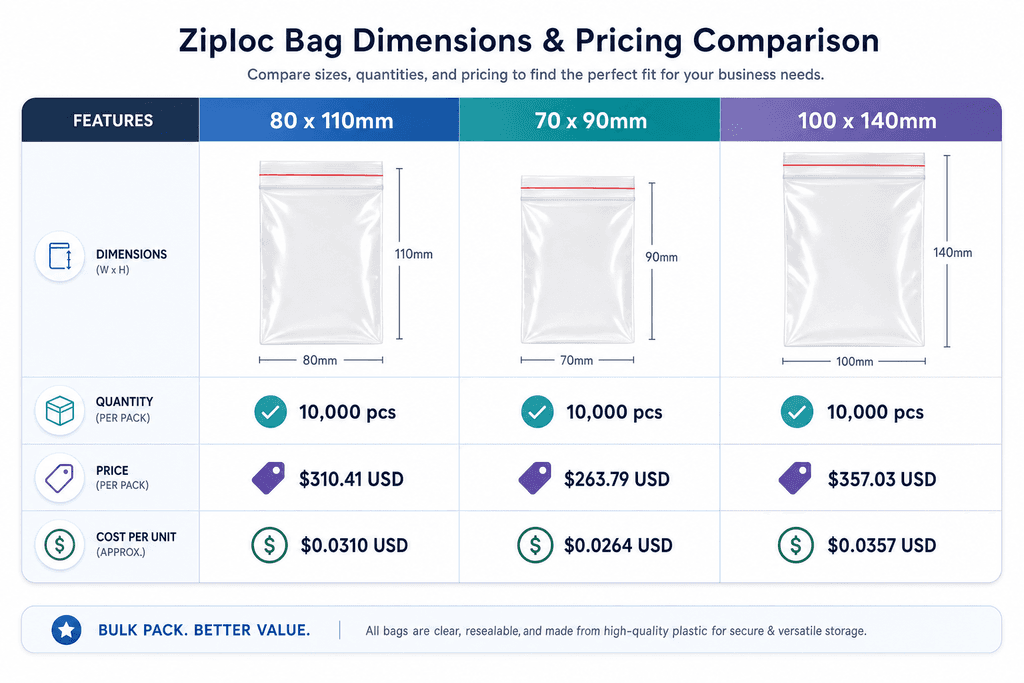
Most businesses waste money on ziploc bags simply because they don't understand how sizing affects their costs. When you're buying in bulk, even a few millimetres difference in bag size can mean hundreds of dollars in savings or unnecessary expenses. The three most common wholesale sizes are 70x90mm, 80x110mm, and 100x140mm, and each serves different purposes depending on what you're storing or selling.
Breaking Down the Three Standard Sizes
The smallest option at 70x90mm works perfectly for tiny items like jewellery, screws, or small craft supplies. It's compact enough that you won't waste space, but still gives you enough room to seal properly. The 80x110mm size sits right in the middle and handles most everyday storage needs without being too bulky.
The largest 100x140mm bags give you the most flexibility for medium-sized items. These bags are popular with small businesses because they can fit products that the smaller sizes just can't handle. According to packaging experts at Durapak, choosing the right size prevents product damage and reduces material waste.
What Bulk Pricing Actually Means
Here's where things get interesting for your budget. When you buy 10,000 units at once, the price per bag drops significantly compared to buying smaller quantities from retailers like thepackagingpeople.com.au or ozpack.com.au. Our wholesale packages start at $263.79 AUD for the smallest size and go up to $357.03 AUD for the largest.
| Size (mm) | Quantity | Total Price (AUD) | Cost Per Bag |
|---|---|---|---|
| 70 x 90 | 10,000 | $263.79 | $0.026 |
| 80 x 110 | 10,000 | $310.41 | $0.031 |
| 100 x 140 | 10,000 | $357.03 | $0.036 |
Calculating Your Actual Savings
The cost per unit tells the real story. At roughly 2.6 to 3.6 cents per bag, you're looking at serious savings compared to retail packaging. A business using 500 bags per month would spend less than $18 annually on the smallest size, versus potentially $50 or more buying from traditional suppliers.
The price difference between sizes is also worth noting. Moving from the smallest to largest size only adds about one cent per bag. That means if you're unsure which size you need, going slightly bigger won't break your budget but could save you from reordering.
Matching Bag Sizes to Your Products
Most businesses waste money buying the wrong size ziploc bags because they guess instead of measure. The difference between a 70x90mm bag and a 100x140mm bag might seem small, but choosing incorrectly means you'll either struggle to fit your products or pay for excess plastic you don't need. Getting the size right the first time saves you from reordering and dealing with unusable inventory sitting in your storage room.
The smallest option, our 70x90mm bags, works perfectly for jewellery pieces, small electronic components like USB drives, and craft supplies such as beads or buttons. These compact bags keep tiny items secure without taking up unnecessary space in your packaging area.
| Bag Size | Best For | Example Products |
|---|---|---|
| 70x90mm | Small items | Earrings, screws, seeds |
| 80x110mm | Medium items | Lipsticks, samples, washers |
| 100x140mm | Larger items | Socks, stationery, cookies |
The 80x110mm middle size handles cosmetics like lipsticks and small makeup items, hardware pieces such as nuts and bolts, and product samples you're sending to potential customers. This size gives you more room than the smallest option while still maintaining a compact footprint.
When you need the most versatile option, the 100x140mm bags accommodate clothing accessories like socks and headbands, stationery items including pens and notepads, and even food products such as cookies or candy. The 100x140mm wholesale bags we stock handle the widest range of products, which is why many businesses start here.
Measuring your products correctly means laying them flat and adding at least 10-15mm to both dimensions. This extra space ensures the bag seals properly without straining the zipper mechanism. A bag that's too tight won't seal correctly, and your products might get damaged or fall out during shipping.
- Measure products at their widest point when laid flat
- Add 10-15mm to each dimension for sealing space
- Test one bag before ordering 10,000 pieces
- Consider product thickness, not just length and width
Storage and Organisation Strategies
Storing 10,000 ziploc bags properly makes the difference between having them ready when you need them and dealing with a tangled mess that wastes your time. Most small businesses don't think about storage until they receive their first wholesale order and realise they need a system. The bags arrive in bulk packaging, and without a plan, they end up shoved in corners or taking up valuable workspace that could be used for actual product assembly.
Keep your wholesale quantities in their original packaging until you're ready to use them. The sealed packages protect the bags from dust, moisture, and damage that can compromise the zipper seals. Once you open a package, transfer smaller quantities to a dedicated storage container or shelf area where your team can easily access them.
Multiple bag sizes require clear labelling so you don't grab the wrong size during busy packing periods. Use shelf labels or storage bins marked with the exact dimensions, and keep each size in a separate location. This simple step prevents mix-ups that slow down your packaging process.
- Store unopened packages in a cool, dry area away from direct sunlight
- Keep opened bags in covered containers to prevent dust accumulation
- Label storage areas with bag dimensions clearly visible
- Stack packages flat to prevent crushing the zipper seals
- Maintain a first-in, first-out system to use older stock first
Temperature and humidity affect plastic quality over time. Your storage area should stay between 15-25°C with low humidity to maintain the bags' integrity. Extreme heat can make the plastic brittle, while high moisture might affect the seal quality, according to storage best practices from major manufacturers.
For small business storage areas, vertical shelving units maximise space better than floor stacking. Mount shelves at waist height so your team can grab bags without bending or stretching. This setup also makes inventory counts faster when you need to check stock levels.
Track your bag usage weekly to predict when you'll need to reorder. A simple spreadsheet noting how many bags you use per day helps you avoid running out during peak periods. Most businesses find they use more bags than expected in the first month as they dial in their packaging processes.
Pack smarter. Ship with confidence.
Everything you need to pack, protect and send.
Discover dependable packaging for eCommerce, retail and wholesale—selected for quality, value and hassle-free shipping across Australia.
- Low minimum orders
- Samples available
- Australia-wide delivery
Maximising Value from Wholesale Purchases
Calculating your actual bag needs starts with counting how many products you package per week, then multiplying by 52 weeks and adding a 20% buffer for growth. A business packaging 50 items daily needs roughly 15,600 bags annually, making a 10,000-piece order last about seven months. Underestimating means you'll pay higher per-unit costs on rush reorders, while overestimating ties up cash in inventory you won't use for years.
The cost difference between wholesale and retail pricing is significant. Buying bags individually from retail suppliers typically costs 8-12 cents per bag, while wholesale quantities drop the price to around 3-4 cents per unit. For a business using 200 bags weekly, that's a savings of roughly $520 per year on the 80x110mm size alone.
| Purchase Type | Cost Per Bag | Annual Cost (200/week) |
|---|---|---|
| Retail | 8-12 cents | $832-$1,248 |
| Wholesale | 3-4 cents | $312-$416 |
Reducing waste means training your team to use the right size bag for each product. When staff grab bags that are too large because they're easier to fill, you're literally throwing money away. A quick reference chart posted at packing stations showing which products go in which bags cuts waste by 30-40% in most operations.
Ordering multiple sizes versus focusing on one depends on your product range. Businesses with diverse inventory benefit from stocking all three sizes, while those selling similar-sized items should stick to one size and buy in larger quantities for better pricing. The 70x90mm bags work well for specialised operations focusing on small items.
- Calculate monthly usage before committing to 10,000 pieces
- Start with one size if you're unsure about your needs
- Reorder when you have 2-3 months of inventory remaining
- Consider storage space costs when buying multiple sizes
- Review usage patterns quarterly to optimise future orders
Businesses scaling up their packaging operations should increase bag orders gradually rather than jumping from 1,000 to 10,000 pieces immediately. Double your order size each time until you find the sweet spot between cost savings and storage capacity. This approach prevents the common mistake of over-ordering before you've refined your packaging processes and know your true consumption rate.
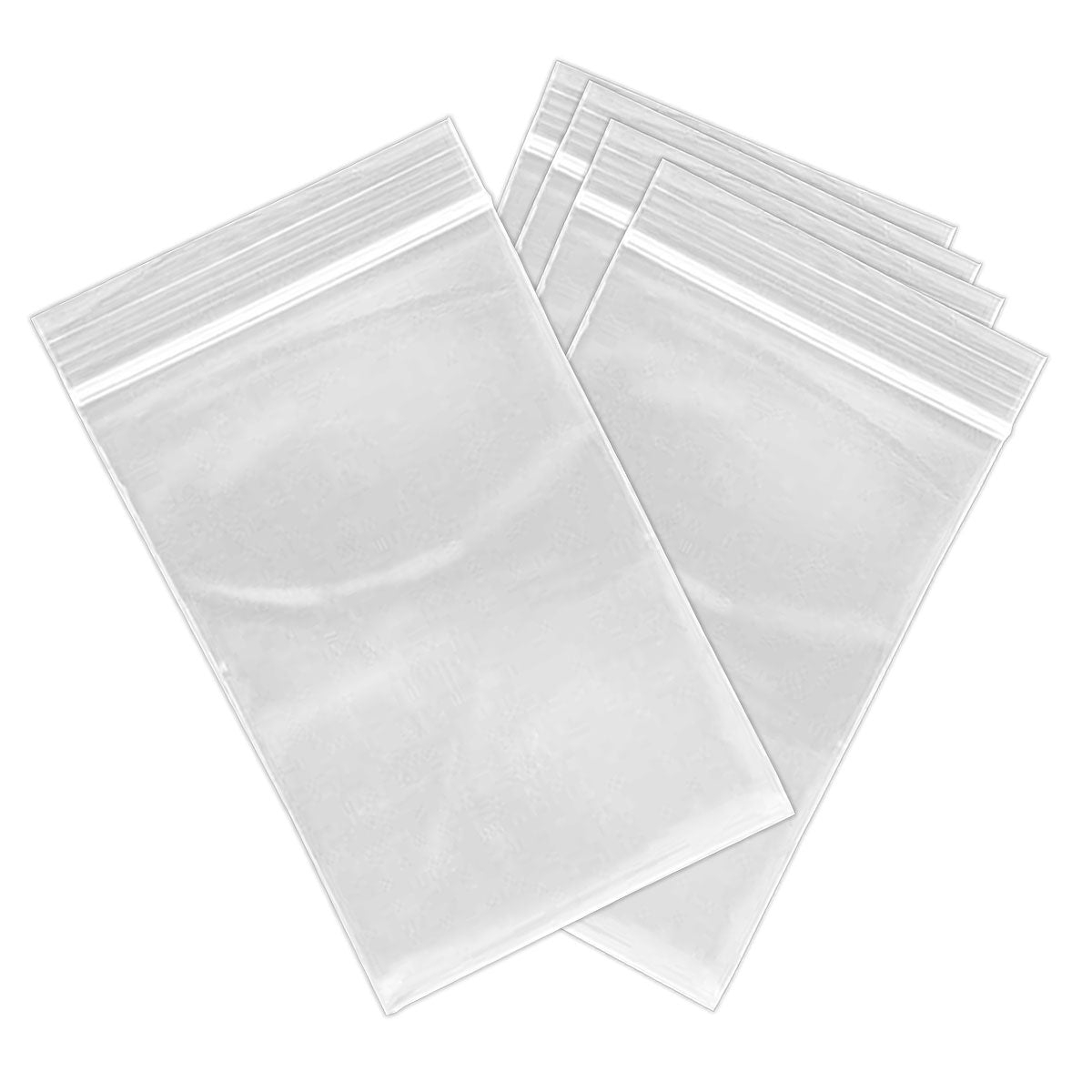
Wholesale 10,000pcs 100 x 140mm ZipLock Clear Resealable Plastic Bags
Making the Smart Choice for Your Business
Different businesses need different packaging solutions, and choosing the wrong size ziploc bags can cost you money and frustrate your customers. E-commerce sellers shipping small items need bags that protect products during transit whilst keeping shipping weights low. Retail stores require clear, professional-looking packaging that lets customers see products whilst maintaining security. Small manufacturers must balance product protection with presentation, ensuring items arrive in perfect condition without excessive packaging costs. The key is matching bag size to your specific business model and customer expectations.
E-commerce Packaging Considerations
Online sellers face unique challenges when selecting ziploc bags for their operations. The 80 x 110mm size works perfectly for jewellery, small electronics accessories, and craft supplies that need protection from moisture during shipping. Larger items like clothing accessories or cosmetic sets fit better in the 100 x 140mm bags, which provide enough space without adding unnecessary bulk to parcels.
- Smaller bags (70 x 90mm) reduce shipping weight for lightweight items like buttons, beads, or small hardware
- Medium bags (80 x 110mm) suit most e-commerce products including phone cases, cables, and small toys
- Larger bags (100 x 140mm) accommodate bulkier items whilst maintaining compact shipping dimensions
- Clear resealable design lets customers inspect products immediately upon delivery
Retail Display and Customer Facing Needs
Brick-and-mortar stores need packaging that sells products whilst protecting them from handling. The transparency of quality ziploc bags lets customers examine items without opening packages, reducing theft and damage. Packee's wholesale options provide consistent quality across thousands of units, ensuring every customer receives the same professional presentation.
| Business Type | Recommended Size | Primary Benefit |
|---|---|---|
| Jewellery Stores | 70 x 90mm | Compact display |
| Craft Retailers | 80 x 110mm | Versatile sizing |
| Hardware Shops | 100 x 140mm | Bulk item storage |
Long-Term Cost Benefits
Buying wholesale quantities of quality resealable bags delivers significant savings over time compared to purchasing smaller quantities from competitors like thepackagingpeople.com.au or ozpack.com.au. A 10,000-piece order from Packee costs between $263.79 and $357.03 depending on size, working out to just 2.6 to 3.6 cents per bag. Small manufacturers using hundreds of bags weekly can save thousands annually whilst maintaining consistent packaging quality.
- Wholesale pricing reduces per-unit costs by up to 60% compared to retail packaging suppliers
- Consistent quality prevents customer complaints and returns from faulty packaging
- Bulk ordering reduces reordering frequency and associated shipping costs
- Durable construction means fewer bags damaged during storage and handling
The environmental impact of packaging choices matters too, and whilst sustainable alternatives to traditional plastic bags continue developing, choosing reusable resealable bags reduces waste compared to single-use options. Customers can repurpose quality ziploc bags for storage, extending their useful life beyond the initial purchase.
Your Next Steps in Packaging Success
Choosing the right ziploc bags comes down to matching size with purpose, and buying in bulk makes the most sense for any business that packages products regularly. The 70 x 90mm bags work best for jewellery and small accessories, while the 80 x 110mm option handles cosmetics and craft supplies without wasting space. For larger items like clothing samples or electronics, the 100 x 140mm size gives you room to work with while keeping everything visible and protected.
Wholesale purchasing in 10,000-piece quantities brings your per-unit cost down significantly compared to buying smaller packs from retail suppliers. Most e-commerce businesses find they go through hundreds of bags per week, so stocking up once means fewer orders and better cash flow management.
Getting started with Packee's wholesale ziploc bags is straightforward. You can order directly through the product pages linked above, or if you're not sure which size fits your needs best, reach out to sales@packee.com.au for guidance. Sometimes mixing sizes makes more sense than committing to just one, especially if you sell different product categories.
The right packaging protects your products and makes your brand look more professional, but only if you choose bags that actually fit what you're selling. Most businesses figure this out after wasting money on the wrong size, so taking a few minutes to measure your products now saves you from that mistake.
Common Questions About Ziploc Bags
When you're buying thousands of bags at once, it's normal to have questions about what you're actually getting. Most businesses want to know the details before committing to a bulk order, especially when they're comparing options across different suppliers like thepackagingpeople.com.au or ozpack.com.au. The good news is that understanding ziploc bags isn't complicated once you know what to look for. Here are the answers to the most common questions we get from customers looking to stock up on quality resealable bags.
What thickness are these bags and how durable are they?
Most quality ziploc bags come in thicknesses ranging from 40 to 60 microns, which is thick enough to handle regular use without tearing easily. Our wholesale bags are made from durable plastic that can hold small to medium items without splitting at the seams. They're designed for commercial use, so they'll hold up better than the thin bags you might find at discount retailers.
Can I order a sample before buying 10,000 pieces?
While our standard packs come in quantities of 10,000, it's worth reaching out to discuss sample options before placing a large order. Many Australian suppliers including stanleypackaging.com.au and reitsema.com.au offer samples, and we understand that seeing the quality firsthand matters when you're making a bulk purchase decision. Contact us directly to arrange a sample so you can test the bags with your actual products.
How long does wholesale delivery take in Australia?
Delivery times for wholesale orders typically range from 5 to 10 business days across major Australian cities. Regional areas might take a bit longer depending on your location. Unlike some competitors like packqueen.com.au or ebpackaging.com.au who may have longer lead times, we aim to get your order dispatched quickly so you're not left waiting when you need to restock.
Are these bags food-safe and what certifications do they have?
Quality ziploc bags should meet Australian food safety standards if they're marketed for food storage. Always check with your supplier about specific certifications before using bags for food products. Our bags are suitable for general storage and packaging, and we can provide details about food-safe options if that's what your business needs.
What's the shelf life of unused ziploc bags?
Unused ziploc bags can last for years when stored properly in a cool, dry place away from direct sunlight. The plastic doesn't really expire, but the seal quality might degrade slightly if bags are exposed to extreme heat or UV light over time. Store your wholesale supply in their original packaging until you need them, and they'll stay in perfect condition.
Can these bags be reused by customers?
Yes, quality ziploc bags are designed to be reused multiple times, which is actually a selling point for environmentally conscious customers. The resealable zip mechanism stays functional through many open-and-close cycles. This makes them more valuable than single-use packaging, and customers appreciate getting bags they can repurpose for storage at home.