



Takeaway Coffee Cups Guide to Sizes, Lids, and Materials
A customer walks out of your café frustrated because their lid popped off mid-sip, spilling coffee down their shirt—and that's the last time they visit. The wrong cup size leads to customer complaints and wasted product, while lid compatibility issues create operational headaches during your busiest morning rush. Your choice of takeaway coffee cups affects everything from customer satisfaction to your profit margins, and understanding the differences between sizes, lids, and materials can transform your coffee service from problematic to seamless.
What are the standard takeaway coffee cup sizes in Australia?
Standard takeaway coffee cup sizes in Australia are 8oz (240ml) for small, 12oz (355ml) for regular, 16oz (473ml) for large, and 20oz (591ml) for extra large. These sizes align with the metric measurements commonly used across Australian cafés and coffee shops.
Which coffee cup lids fit which cup sizes?
Coffee cup lids are sized to match specific cup diameters: 80mm lids fit 8oz and 12oz cups, whilst 90mm lids fit 16oz and 20oz cups. Ensuring proper lid-to-cup compatibility prevents leaks and maintains beverage temperature during transport.
What is the cost difference between paper and plastic coffee cups in Australia?
Single-wall paper coffee cups cost between 8 to 15 cents per unit, double-wall paper cups range from 18 to 30 cents, whilst compostable PLA-lined cups typically cost 25 to 40 cents each in bulk orders. The price variation depends on order volume, supplier, and specific material certifications required for Australian waste management standards.
Table of Contents
The Australian Takeaway Coffee Market Landscape
Australians drink more coffee per person than almost any other country, consuming over 2 billion cups annually. That's roughly 80 cups per person every year, and the numbers keep climbing. What's really interesting is how we're drinking it. Takeaway coffee represents about 70% of café sales in major cities like Sydney, Melbourne, and Brisbane, which means most of us are grabbing our flat whites on the go rather than sitting down to enjoy them.

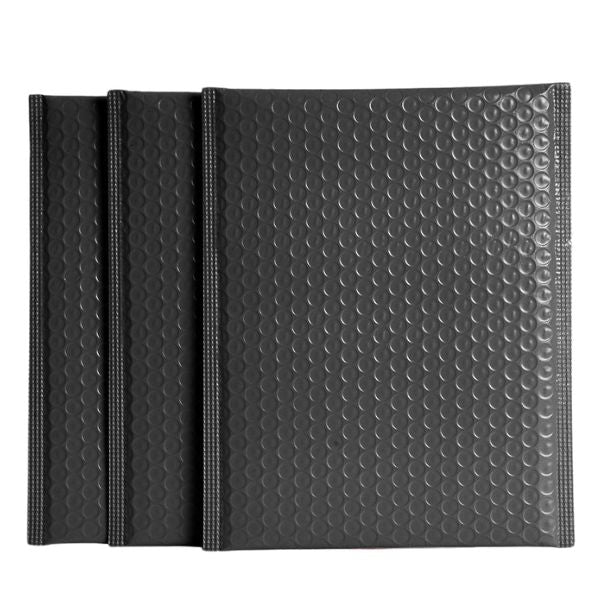
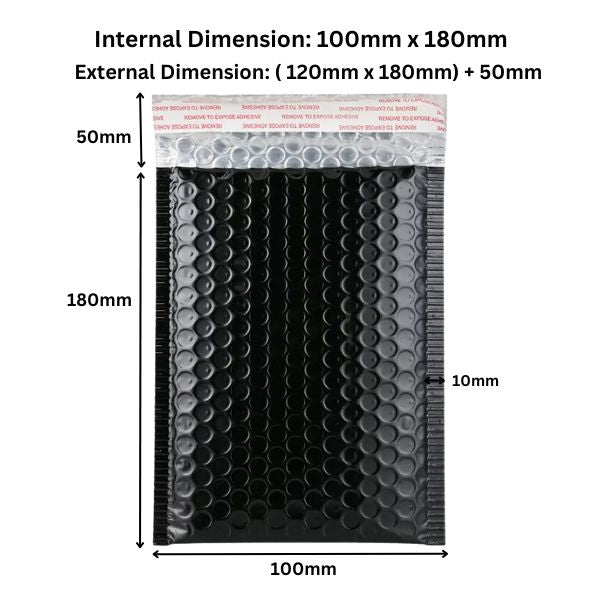
90 x 180 + 50mm Black Coffee Ziplock Bag
This shift to takeaway culture has completely changed how cafés think about their business. The cup you hand to a customer isn't just a container anymore. It's a walking advertisement, a quality signal, and a big chunk of your operating costs all rolled into one.
What Packaging Costs Really Mean
Here's something most café owners know but customers don't realise. Packaging costs typically account for 8-12% of the total price you pay for that morning coffee. On a $5 coffee, that's up to 60 cents just for the cup, lid, and sleeve.
| Coffee Price | Packaging Cost | Percentage |
|---|---|---|
| $4.00 | $0.32 - $0.48 | 8-12% |
| $5.00 | $0.40 - $0.60 | 8-12% |
| $6.00 | $0.48 - $0.72 | 8-12% |
These costs add up fast when you're serving hundreds of customers daily. But it's not just about the money. The type of takeaway coffee cups you choose affects everything from how long drinks stay hot to whether your brand looks professional or cheap.
The Sustainability Shift Since 2020
Customer expectations around packaging have changed dramatically since 2020. What used to be a nice-to-have is now a deal-breaker for many coffee drinkers. People actively choose cafés based on their packaging choices, and they're not shy about calling out businesses still using old-school styrofoam or non-recyclable materials.
The main factors customers now consider include:
- Whether cups are compostable or recyclable
- If lids are made from plant-based materials
- How well the packaging keeps drinks at the right temperature
- Whether the café offers discounts for bringing reusable cups
This shift has pushed many suppliers, including businesses like thepackagingpeople.com.au and ozpack.com.au, to expand their eco-friendly options. But choosing the right packaging isn't just about going green. You need to balance sustainability with practicality, cost, and customer experience. While we focus on coffee storage solutions like our ziplock bags for keeping beans fresh, the same principles of quality and preservation apply to how cafés serve their final product.
Understanding Takeaway Coffee Cup Sizes
Most cafés waste money by stocking too many cup sizes or choosing the wrong ones for their menu. The standard takeaway coffee cup sizes range from 8oz (small) to 20oz (extra large), but the real question is which sizes actually match what your customers order. Getting this right affects everything from your inventory costs to how good your coffee tastes when it reaches the customer. The volume you choose changes the coffee-to-milk ratio, and that's something customers notice immediately.
A typical café setup includes three to four sizes because stocking more creates inventory headaches without improving sales. The most common combination is 8oz, 12oz, and 16oz, which covers short blacks, standard lattes, and large cappuccinos without gaps.
| Cup Size | Volume | Best For | Customer Type |
|---|---|---|---|
| Small | 8oz (240ml) | Flat white, piccolo | Quality-focused |
| Regular | 12oz (355ml) | Latte, cappuccino | Standard order |
| Large | 16oz (473ml) | Large latte, iced coffee | Value-seekers |
| Extra Large | 20oz (591ml) | Iced drinks, smoothies | Specialty orders |
The size you choose matters more than most café owners realise. Volume markings inside cups help baristas maintain portion control, which keeps your costs predictable and your coffee consistent. When a barista can see exactly where the espresso should sit before adding milk, you're less likely to give away product or disappoint customers with weak coffee.
Matching cup size to coffee type isn't just about fitting the liquid in. A 12oz cup works perfectly for a standard latte because it gives you the right ratio of espresso to steamed milk. Try putting that same latte in a 16oz cup and you'll either waste milk or serve a disappointing drink. This is why understanding cup dimensions matters for café operations.
Lid Types and Compatibility Essentials
The lid you choose affects customer satisfaction more than the cup itself because it's the part they actually touch and drink from. Different lid styles serve different purposes, and picking the wrong one leads to complaints about spills, temperature, or just general frustration. The main types are dome lids, flat lids, sip-through lids, and reclosable lids, and each one changes how customers experience your coffee. What works for a busy commuter grabbing coffee at 7am won't work for someone sitting in their car for a video call.
Dome lids accommodate extra foam and toppings without spillage, which makes them essential if you're serving cappuccinos with chocolate dust or lattes with latte art that sits high. The extra headroom means customers can actually see what they ordered through the lid, which matters more than you'd think for Instagram-worthy drinks.
- Flat lids reduce storage space by up to 40% compared to dome lids and cost less to ship
- Sip-through lids offer convenience but customers often complain the coffee tastes cooler than it actually is
- Reclosable lids appeal to customers who drink coffee over 30+ minutes, like office workers or drivers
- Universal lids fit multiple cup sizes but may leak more than size-specific options
Lid fit quality directly impacts customer complaints and waste because a poorly fitting lid means spills, burns, and coffee you have to remake. Testing lid compatibility before ordering in bulk saves you from discovering fit issues when you've got 5,000 unusable lids in storage. Some suppliers offer sample packs specifically so you can test the fit with your cups before committing.
The choice between universal and size-specific lids comes down to your operation size. Universal lids reduce inventory complexity, which matters if you're running a small café with limited storage. But they compromise on performance because a lid designed to fit three different cup sizes won't seal perfectly on any of them. High-volume operations usually stick with size-specific lids despite the extra inventory because the reduction in waste and complaints pays for itself.
Material Options and Their Business Impact
Paper cups with polyethylene lining remain the most cost-effective option for most cafés, typically costing 15-25 cents per cup depending on your order volume. These traditional cups work well, hold hot liquids without leaking, and your customers know exactly what to expect. But the material you choose sends a message about your brand, and more customers are paying attention to packaging than ever before. The decision isn't just about cost anymore because material choice signals brand values to increasingly eco-conscious customers who might choose your café over the one next door based on your cups alone.
PLA-lined cups offer compostability but require specific disposal infrastructure that most councils don't provide yet. This creates a tricky situation where you're paying more for eco-friendly cups that often end up in landfill anyway because customers don't have access to commercial composting.
| Material Type | Cost per Cup | Environmental Impact | Performance |
|---|---|---|---|
| PE-lined paper | $0.15-0.25 | Standard recycling | Reliable |
| PLA-lined paper | $0.25-0.40 | Needs commercial composting | Good |
| Double-wall | $0.30-0.50 | Varies by lining | Excellent heat retention |
Double-wall cups eliminate sleeve costs and improve heat retention, which means customers can hold their coffee comfortably without needing an extra layer. The upfront cost is higher but you save on sleeves, and customers appreciate not juggling multiple pieces of packaging. Storage requirements differ based on cup construction because double-wall cups take up more space than single-wall options with separate sleeves.
Bulk pricing varies significantly between material types, with standard PE-lined cups offering the best volume discounts. Supplier reliability matters more with specialty materials because if your eco-friendly cup supplier runs out of stock, you can't just switch to another supplier without potentially confusing your customers about your environmental commitments. This is where having proper storage solutions becomes important, and while we're talking about coffee packaging, our coffee ziplock bags help cafés store beans properly between service periods.
Pack smarter. Ship with confidence.
Everything you need to pack, protect and send.
Discover dependable packaging for eCommerce, retail and wholesale—selected for quality, value and hassle-free shipping across Australia.
- Low minimum orders
- Samples available
- Australia-wide delivery
Matching Packaging to Your Coffee Business Model
High-volume cafés prioritise speed and cost efficiency over premium materials because when you're serving 300+ coffees per day, every cent and every second counts. A busy train station café needs cups that stack reliably, lids that seal quickly, and materials that won't blow the budget. Specialty coffee shops use packaging to reinforce quality positioning, often choosing double-wall cups or branded options even though they cost more. The packaging becomes part of the product experience, not just a container.
Retail locations need packaging that travels well and maintains temperature for at least 20-30 minutes because customers might be driving or walking significant distances. This usually means double-wall cups or high-quality single-wall cups with good sleeves, plus lids that actually seal properly when someone puts the cup in a car holder.
- Customer demographics influence size preferences, with office districts ordering more 12oz cups and retail areas seeing more 16oz orders
- Storage space limitations affect which cup types are practical, especially for small café footprints under 50 square metres
- Seasonal variations may require adjusting your packaging mix, with iced coffee season demanding different cup and lid combinations
- Sustainability expectations vary by location, with inner-city customers often willing to pay more for eco-friendly options
The right packaging combination depends on your specific situation. A café in a business district serving quick morning coffees needs different packaging than a weekend brunch spot where customers sit for an hour. Testing different combinations with actual customers gives you better data than any supplier recommendation because your customers will tell you immediately if a lid leaks or a cup doesn't hold heat.
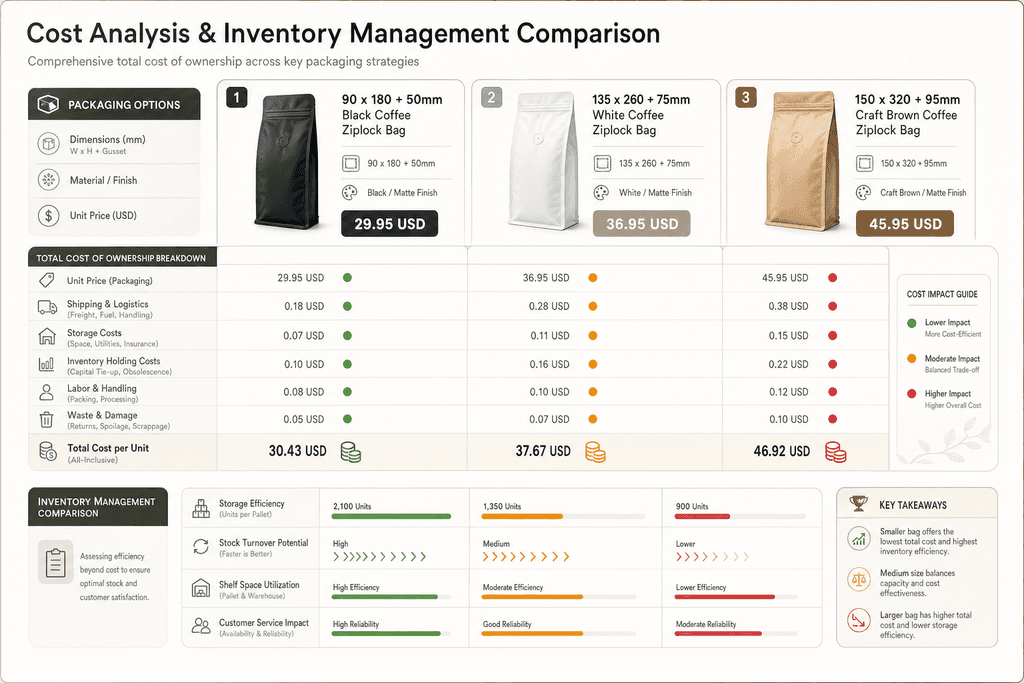
Beyond takeaway cups, proper coffee storage matters for maintaining quality between service periods. Whether you're storing beans for your café or packaging retail coffee for customers, airtight ziplock bags in various sizes keep coffee fresh without taking up excessive storage space. For larger operations, craft brown coffee bags offer both functionality and a professional look that matches the quality you're serving in those carefully chosen takeaway cups.
Cost Analysis and Inventory Management
Most café owners don't realise that packaging costs can account for 8-12% of their total operating expenses, making it one of the largest controllable overhead categories. The difference between smart inventory management and haphazard ordering can mean thousands of dollars in annual savings, yet many businesses still treat takeaway coffee cups as an afterthought. Understanding the true cost of ownership requires looking beyond the sticker price to include storage, waste, and operational complexity. The most successful cafés treat their packaging strategy like any other critical business decision, with careful analysis of volume discounts, supplier reliability, and seasonal demand patterns.
Volume Pricing and Bulk Ordering Benefits
Ordering larger quantities of takeaway coffee cups reduces per-unit costs by 30-50% compared to small batch purchases. However, this savings only materialises if you have adequate storage space and predictable demand patterns.
- Orders of 1,000 units typically cost 40-60% more per cup than orders of 10,000 units
- Minimum order quantities from suppliers like thepackagingpeople.com.au often start at 500-1,000 units per size
- Storage costs can eliminate savings if you're paying premium rent for warehouse space
- Cash flow impact matters more for small businesses than marginal per-unit savings
Hidden Costs That Eat Into Profit Margins
The purchase price represents only 60-70% of the total cost of ownership for takeaway coffee cups. Storage space in high-rent retail areas can add $0.02-0.05 per cup when you calculate the square metreage required for inventory. Staff training time increases exponentially when you stock multiple cup styles, lid types, and sizes, leading to slower service and occasional mistakes during rush periods.
| Cost Category | Percentage of Total | Annual Impact (Medium Café) |
|---|---|---|
| Product purchase price | 65% | $6,500 |
| Storage and handling | 15% | $1,500 |
| Waste and damage | 12% | $1,200 |
| Staff training time | 8% | $800 |
Standardisation Reduces Operational Complexity
Lid standardisation across multiple cup sizes represents one of the easiest ways to cut costs and reduce errors. When your 8oz and 12oz cups use the same lid, you halve your SKU count and eliminate the confusion that leads to waste during busy periods.
- Standardised lids reduce inventory carrying costs by 25-35%
- Staff make fewer mistakes when there are fewer options to choose from
- Reordering becomes simpler with fewer supplier relationships to manage
While competitors like ozpack.com.au and packqueen.com.au offer extensive variety, many successful cafés find that limiting options to 2-3 core sizes actually improves customer satisfaction through faster service. The key is matching your inventory strategy to your actual sales data rather than trying to accommodate every possible customer preference.
Seasonal Demand and Flexible Ordering
Coffee consumption patterns shift dramatically between seasons, with winter months seeing 30-40% higher takeaway volumes in most Australian markets. Building relationships with reliable suppliers who offer flexible minimum orders helps you adjust inventory without getting stuck with excess stock. Some cafés negotiate quarterly contracts that allow order size adjustments based on rolling 90-day sales data, which provides cost certainty while maintaining operational flexibility.
Making Your Packaging Decision
Choosing the right takeaway coffee cups comes down to three main things: getting the sizes right, making sure your lids actually fit, and picking materials that match what your customers expect. Most cafes find that stocking small, medium, and large covers about 90% of their orders, which keeps things simple without leaving anyone out. The trick is starting small with your first order so you can test what actually works before you commit to buying in bulk.
Lid compatibility matters more than most people think. You can have the perfect cup, but if the lid leaks or pops off, your customers will remember that instead. Test your cups and lids together before you place a big order, because not all brands work well together even when they claim to be the same size.
Material choice affects both your costs and how customers see your brand. Cheaper cups might save you money upfront, but they can also make your coffee shop look budget. The balance depends on your positioning and what your local market expects.
If you're also selling retail coffee, think about your complete packaging setup. Our black coffee ziplock bags, white coffee ziplock bags, and craft brown coffee ziplock bags keep beans fresh while matching different brand styles. Having consistent packaging across both takeaway and retail creates a more professional look that customers notice.
The questions below cover the specific details that come up most often when cafe owners are making these decisions.
Common Questions About Takeaway Coffee Cups
Running a café means juggling dozens of decisions every day, and choosing the right takeaway coffee cups shouldn't add to your stress. These questions come up constantly from café owners and retailers who want to get their cup selection right without overthinking it. Here's what you actually need to know about sizing, storage, and making smart purchasing decisions for your business.
What's the most popular takeaway coffee cup size in Australia?
The 12oz (340ml) cup dominates Australian café sales, accounting for roughly 60% of all takeaway coffee orders. Most customers order a regular flat white or cappuccino, which fits perfectly in this size. The 8oz works for short blacks and piccolo lovers, whilst the 16oz handles your large latte crowd.
Can I use the same lids across different cup sizes?
No, lids are size-specific and won't seal properly across different cup sizes. An 8oz lid won't fit a 12oz cup, and forcing the wrong size creates leaks that'll have customers complaining. Stock lids that match each cup size you offer to avoid messy situations and wasted product.
Are compostable cups worth the extra cost?
Compostable takeaway coffee cups typically cost 15-30% more than standard paper cups, but many cafés find customers appreciate the environmental effort. The real question is whether your local council actually accepts compostable cups in their green bin programme. If they don't, you're paying extra for cups that still end up in landfill, which defeats the purpose entirely.
How much inventory should I keep on hand?
Most cafés keep 2-3 weeks of cup inventory on hand, balancing storage space against bulk pricing benefits. Calculate your daily cup usage across all sizes, multiply by 20, and that's your baseline order. Ordering in larger quantities saves money, but only if you've got the storage space and consistent sales volume to justify it.
What's the shelf life of paper coffee cups?
Paper cups last indefinitely when stored properly in a dry, cool location away from direct sunlight. The real enemy is moisture, which can warp the cups and compromise the inner lining. Keep them in their original packaging until you're ready to use them, and they'll be fine for years.
How do I store coffee beans for retail customers alongside my cup inventory?
Coffee beans need protection from light, air, and moisture, which is why proper packaging matters as much as storage location. Our ziplock coffee bags, like the 90 x 180 + 50mm Black Coffee Ziplock Bag, keep beans fresh whilst taking up minimal shelf space next to your cup stock. Store both products in a cool, dry area away from your espresso machine's heat, and you'll maintain quality without dedicating separate storage zones for each product type.