


Poly Bags Buying Guide for Shipping, Storage, and Retail
Every parcel you send costs you twice: once for the packaging and again if it arrives damaged. For e-commerce businesses shipping hundreds or thousands of orders each month, choosing between poly bags and boxes can mean the difference between healthy profit margins and watching money disappear in oversized postage fees. This guide walks you through everything you need to know about selecting poly bags for shipping, from sizing and durability to bulk buying strategies that actually make sense for your bottom line.
What thickness of poly bags is best for shipping products?
Poly bags with a thickness of 2 to 3 mil (50 to 75 microns) are recommended for standard shipping applications, whilst heavy or sharp-edged items require 4 to 6 mil (100 to 150 microns) for adequate protection during transit.
How much can you save buying poly bags in bulk?
Bulk purchases of poly bags typically reduce per-unit costs by 30 to 50 per cent compared to small quantity orders, with the greatest savings achieved when ordering pallets of 10,000 units or more.
What are the standard poly bag sizes for retail packaging?
The most common poly bag sizes for retail are 150mm × 230mm for small items like jewellery, 230mm × 305mm for clothing, and 305mm × 405mm for larger garments and homewares.
Table of Contents
- Understanding Poly Bags and Their Business Applications
- Choosing the Right Size for Your Products
- Matching Products to Sizes
- Essential Durability Checklist
- Total Cost Comparison
- When Vibrant Colours Work for Your Brand
- Making the Smart Choice for Your Business
- Your Next Steps in Packaging Success
- Common Questions About Poly Bags
Understanding Poly Bags and Their Business Applications
Over 60% of Australian e-commerce businesses have switched from cardboard boxes to poly bags in the past three years, and the numbers keep climbing. These lightweight shipping solutions are made from polyethylene, a type of plastic that's surprisingly tough and flexible at the same time. The material can handle rain, rough handling, and the general chaos of shipping without tearing or letting moisture seep through to your products. Unlike traditional packaging, poly bags for shipping don't add unnecessary weight to your parcels, which means lower postage costs and happier customers who aren't wrestling with excessive packaging.
What Makes Poly Bags Different
Poly bags come in several varieties, each designed for specific business needs. The most common type you'll see are poly mailers, which have built-in adhesive strips that create a tamper-proof seal without tape or extra supplies. Storage bags are thicker and designed for warehouse use, whilst retail bags are often clear or branded for in-store purchases.
The construction of these bags involves layering polyethylene to create different thickness levels, measured in microns. Most shipping poly bags sit between 50 to 100 microns thick, which gives them enough strength to protect clothing, accessories, and non-fragile items during transit. Industry research shows that proper poly bag selection can reduce packaging costs by up to 40% compared to boxes.
Key Features That Matter
Modern poly bags aren't just simple plastic sleeves anymore. They've evolved to meet the demands of busy online retailers who need reliable, fast packaging solutions. Here's what sets quality poly bags apart:
- Peel-and-seal adhesive strips that stick firmly on first contact
- Tamper-evident closures that show if someone's tried to open the package
- Water-resistant coating that keeps contents dry in wet conditions
- Lightweight design that reduces shipping costs without sacrificing protection
Our hot pink poly mailers at Packee include all these features, plus they come in three sizes to fit different product ranges. The bright colour also makes your packages stand out in a sea of brown boxes, which customers seem to appreciate based on repeat purchase data.
Why Australian Businesses Are Making the Switch
The shift from boxes to poly mailers isn't just about following trends. It's about practical business decisions that affect your bottom line every single day. Storage space in Australian warehouses costs money, and boxes take up significantly more room than flat poly bags.
| Factor | Cardboard Boxes | Poly Mailers |
|---|---|---|
| Storage Space | High volume needed | Flat, compact |
| Weight | 200-400g average | 15-30g average |
| Water Resistance | Poor | Excellent |
| Packing Time | 45-60 seconds | 15-20 seconds |
The numbers tell a clear story about efficiency. When you're packing hundreds of orders per week, those extra 30 seconds per package add up to hours of saved labour. Plus, Australia Post and other carriers charge based on weight and size, so lighter packaging means lower shipping fees that you can either pocket or pass on to customers as a competitive advantage.
Choosing the Right Size for Your Products
Most e-commerce businesses lose money on packaging because they pick the wrong size poly bags. Getting the dimensions right means your products arrive safely, your shipping costs stay low, and customers don't receive a tiny item swimming in a massive bag. The trick is understanding how poly bag measurements work and matching them to what you actually ship. Different product types need different approaches, and the size you choose affects everything from postage rates to how professional your brand looks.
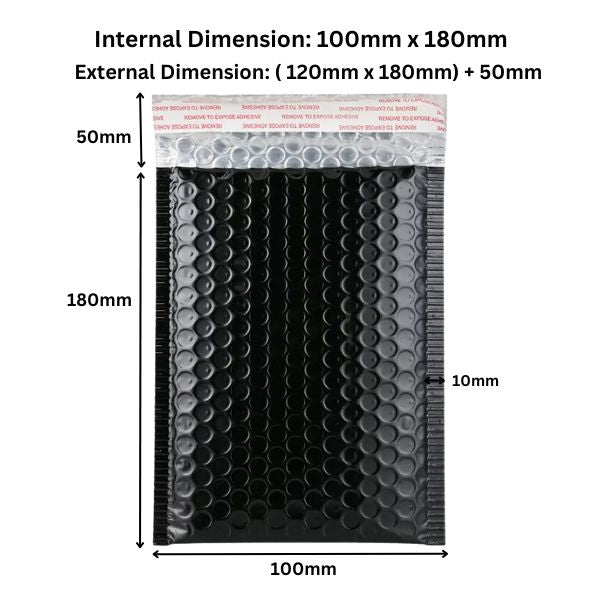
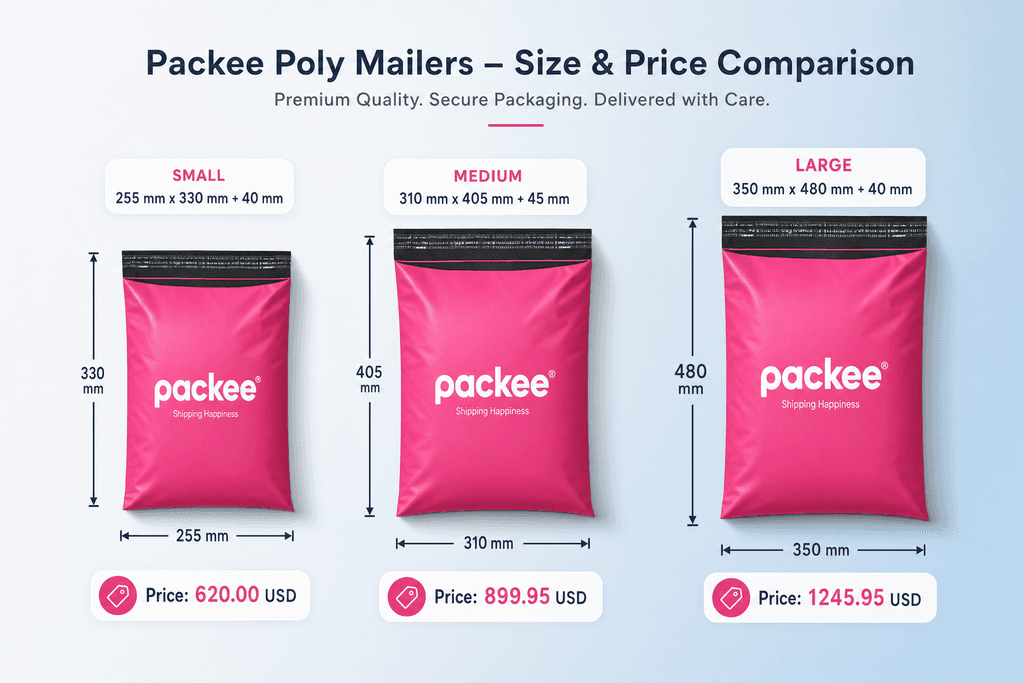
Poly bag dimensions follow a simple format: length x width + lip. That lip measurement is the adhesive flap that seals your package. A 255 mm x 330 mm + 40 mm poly mailer means the usable space is 255 mm wide by 330 mm long, with an extra 40 mm flap for sealing.
Matching Products to Sizes
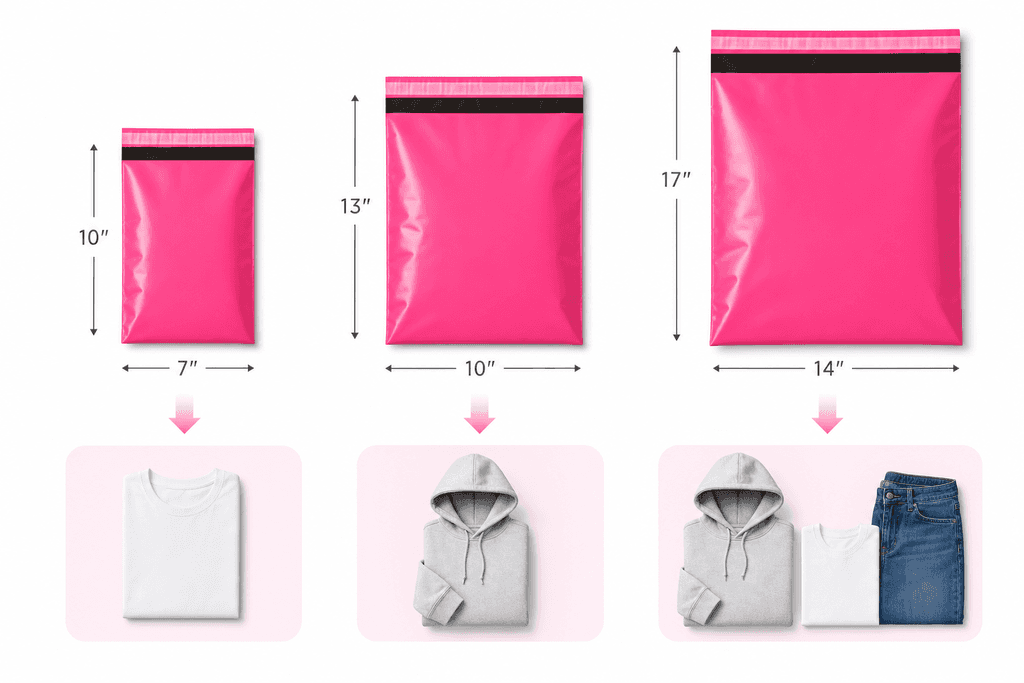
- 255 mm x 330 mm bags work perfectly for small clothing items like t-shirts, underwear, scarves, phone cases, and jewellery
- 310 mm x 405 mm bags handle medium items such as jeans, hoodies, books, cosmetic sets, and small electronics
- 350 mm x 480 mm bags fit larger products like jackets, multiple clothing items, shoes, and bulky accessories
The cost difference between sizes matters more than you might think. Our smallest poly mailers cost $620 for 10,000 units, while the largest size runs $1,245.95. That's double the price, so using a bigger bag than necessary eats into your margins fast.
| Size | Dimensions | Best For | Price (10,000 units) | Cost Per Unit |
|---|---|---|---|---|
| Small | 255 x 330 + 40 mm | T-shirts, accessories | $620.00 | $0.062 |
| Medium | 310 x 405 + 45 mm | Jeans, books | $899.95 | $0.090 |
| Large | 350 x 480 + 40 mm | Jackets, shoes | $1,245.95 | $0.125 |
Proper sizing reduces returns because products arrive in better condition. A bag that's too small stretches and tears, while oversized bags let items shift around during transit. Both scenarios lead to damage claims and unhappy customers who leave bad reviews.
Durability Features That Protect Your Products
The cheapest poly bags rip open before they reach your customer's door. Material thickness determines whether your packaging survives the Australia Post sorting facility or ends up as confetti. Thickness measurements matter because they directly correlate with puncture resistance and how much weight the bag can handle. Most quality poly mailers use multi-layer construction that balances flexibility with strength, so they don't crack in cold weather or tear when someone tosses them onto a porch.
Peel-and-seal adhesive strips save you time and money compared to tape. You peel off the protective layer, fold the flap down, and press. The seal creates a tamper-proof closure that shows customers their package hasn't been opened during shipping.
Essential Durability Checklist
- Multi-layer polyethylene construction for tear resistance
- Strong adhesive strip that doesn't peel off in heat
- Water-resistant exterior to handle rain and humidity
- Puncture-resistant material for items with sharp edges
- Opaque design to protect contents from view
Australian weather conditions test packaging harder than most people realise. Summer heat can weaken cheap adhesives, while winter rain soaks through thin materials. Our poly mailers handle both extremes because the water-resistant coating keeps moisture out even when delivery drivers leave packages in the rain.
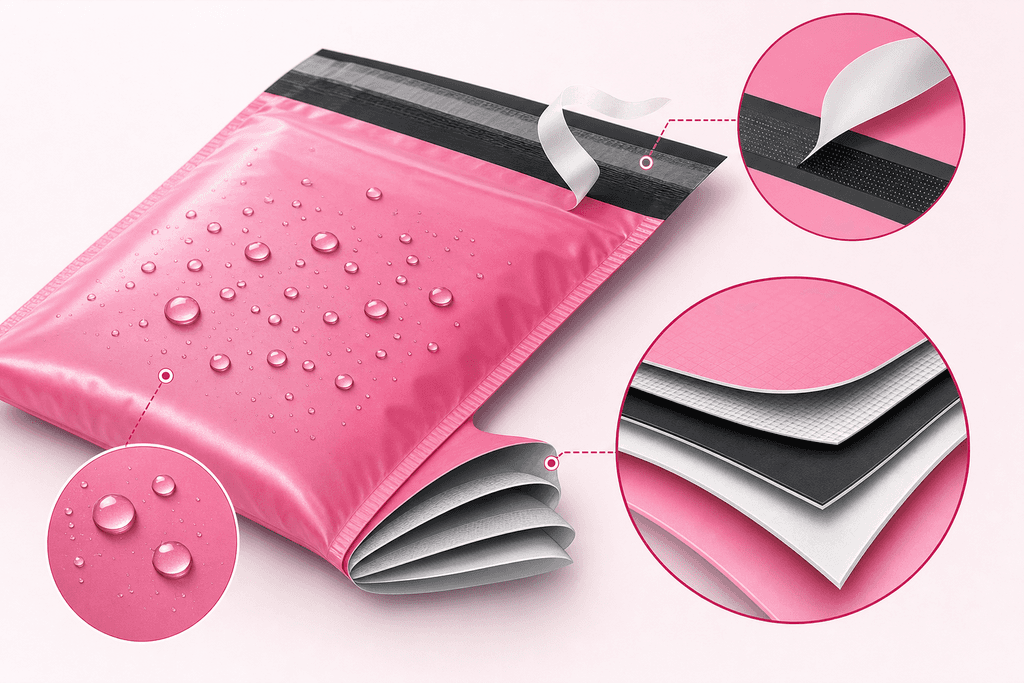
Tamper-proof closures build customer confidence. When someone receives a package with an intact seal, they know their order hasn't been compromised. This small detail reduces disputes and creates trust, especially for first-time buyers who don't know your brand yet.
Calculating Costs and Bulk Buying Benefits
Cardboard boxes seem cheaper until you add up the real costs. A medium shipping box costs around $1.50, plus you need tape ($0.10), void fill ($0.20), and the extra time your staff spends assembling everything. That's $1.80 per shipment before you factor in the higher postage rates for bulky packages. Poly bags for shipping eliminate most of these hidden expenses because they're lightweight, pre-sealed, and ready to use straight out of the box. The weight difference alone can drop your shipping costs by 30-40% on domestic orders.
Bulk buying at 10,000 units brings the per-unit cost down significantly. At $0.062 per mailer for our smallest size, you're spending less than what most businesses pay for tape alone. The medium size at $0.090 per unit still undercuts cardboard boxes by a huge margin.
Total Cost Comparison
| Item | Cardboard Box | Poly Mailer | Savings |
|---|---|---|---|
| Packaging material | $1.50 | $0.09 | $1.41 |
| Tape/sealing | $0.10 | $0.00 | $0.10 |
| Void fill | $0.20 | $0.00 | $0.20 |
| Labour time | 2 min | 30 sec | 1.5 min |
| Total per shipment | $1.80 | $0.09 | $1.71 |
Storage space savings add up fast when you're running a small warehouse or packing from home. A box of 10,000 poly mailers takes up about as much room as 200 cardboard boxes. That means you can stock months of packaging supplies without dedicating an entire room to empty boxes.
The ROI calculation is straightforward. If you ship 100 orders per week, switching to poly mailers saves you $171 weekly or about $8,900 annually. That's just on packaging materials, not counting the reduced postage costs from lighter packages.
Branding and Customer Experience Considerations
Generic grey poly bags make your brand forgettable. Colour choice affects whether customers remember your business or toss the packaging without a second thought. Hot pink poly mailers stand out in a sea of brown boxes and white envelopes, creating instant brand recognition before someone even opens their order. This matters more for e-commerce businesses than retail stores because your packaging is often the first physical touchpoint with customers. Different poly bag types serve different purposes, and choosing vibrant colours works particularly well for fashion, beauty, and lifestyle brands targeting younger demographics.
The unboxing experience doesn't require expensive custom printing to feel special. A bright, clean poly mailer in a distinctive colour creates anticipation and shows you care about presentation. Customers share these moments on social media, giving you free marketing every time someone posts their purchase.
When Vibrant Colours Work for Your Brand
Pack smarter. Ship with confidence.
Everything you need to pack, protect and send.
Discover dependable packaging for eCommerce, retail and wholesale—selected for quality, value and hassle-free shipping across Australia.
- Low minimum orders
- Samples available
- Australia-wide delivery
- Fashion and apparel businesses targeting women aged 18-35
- Beauty and cosmetics brands with playful, energetic positioning
- Handmade or artisan products that emphasise creativity
- Subscription boxes that want to build excitement
- Any brand differentiating from corporate competitors
Professional appearance doesn't mean boring. Our hot pink mailers look polished and intentional, not cheap or gimmicky. The colour signals confidence and helps smaller businesses compete with larger retailers who stick to safe, neutral packaging.
Eco-conscious customers appreciate poly mailers more than you'd expect. While they're not biodegradable, they use far less material than cardboard boxes and weigh almost nothing, which reduces transport emissions. Many customers reuse them for returns or their own shipping needs, extending the lifecycle beyond a single use.
Making the Smart Choice for Your Business
Most businesses waste money on poly bags because they buy the wrong quantities at the wrong time. The difference between ordering 500 units versus 10,000 units can mean paying three times more per bag, but only if you actually use them before your business needs change. Understanding when bulk buying makes sense requires looking at your monthly shipping volume, storage capacity, and how quickly your business is growing. A company shipping 50 orders per month faces completely different decisions than one shipping 500 orders, yet both often make the same purchasing mistakes.
Matching Order Volume to Purchase Size
Your monthly shipping volume determines whether bulk quantities like 10,000 units make financial sense. Businesses shipping fewer than 100 orders monthly should typically avoid bulk purchases because the upfront cost ties up cash flow that could go toward inventory or marketing.
- Businesses shipping 100-300 orders monthly break even on bulk purchases within 6-12 months
- Companies shipping 300-500 orders monthly recover bulk purchase costs within 3-6 months
- High-volume shippers moving 500+ orders monthly see immediate returns on bulk buying
- Seasonal businesses need to calculate based on peak months, not annual averages
The 10,000-unit threshold works best when you're shipping at least 200-300 orders per month consistently. Packee's wholesale hot pink poly mailers hit this sweet spot for growing e-commerce businesses that have moved past the startup phase but aren't yet enterprise-scale.
Common Purchasing Mistakes to Avoid
The biggest mistake businesses make is buying based on price per unit alone without considering storage costs and cash flow impact. A great per-unit price means nothing if half your bags sit unused for two years or if the upfront cost prevents you from buying enough inventory to actually sell.
| Business Stage | Monthly Orders | Recommended Purchase | Reorder Frequency |
|---|---|---|---|
| Startup | Under 100 | 500-1,000 units | Every 3-6 months |
| Growing | 100-300 | 2,500-5,000 units | Every 6-12 months |
| Established | 300-500 | 5,000-10,000 units | Every 12-18 months |
| High-Volume | 500+ | 10,000+ units | Every 12-24 months |
Balancing Cost with Brand Presentation
Cheap poly bags for shipping can actually cost you more in the long run if they damage your brand perception. Customers judge your entire business based on how their package arrives, and a flimsy bag that tears or looks unprofessional creates doubt about product quality.
- Calculate the lifetime value of a customer, not just the cost of one shipment
- Test different bag qualities with a small batch before committing to 10,000 units
- Consider how your packaging looks in unboxing videos and social media posts
- Factor in the cost of customer complaints and returns from damaged packaging
Businesses selling premium products should never compromise on packaging quality even if it means ordering smaller quantities initially. The peel-and-seal adhesive and tamper-proof closure on quality poly bags protects both your products and your reputation.
Planning for Growth and Seasonal Changes
Your packaging needs will change as your business grows, but predicting exactly how is nearly impossible. The safest approach involves buying enough to cover your current volume plus 20-30% growth buffer, then reassessing every six months. Seasonal businesses face an extra challenge because their peak months might use 5-10 times more bags than slow periods.
- Calculate your busiest three months and ensure you have enough stock to cover that period
- Order new stock 2-3 months before peak season to avoid rush shipping costs
- Keep at least one month of buffer stock for unexpected sales spikes
- Review your packaging costs quarterly as your volume changes
Many Amazon sellers need to follow specific polybag requirements that affect both the type and quantity they should order. Missing these requirements can result in rejected shipments and lost sales during critical periods.
Your Next Steps in Packaging Success
Choosing the right poly bags for shipping comes down to three main factors that will make or break your packaging strategy. You need to match the size to your products, pick a durability level that protects your items during transit, and find a price point that keeps your margins healthy. Most businesses waste money by either over-packaging small items or under-protecting fragile ones, so getting this balance right matters more than you might think.
Start by measuring your most common products and adding about 50mm of space on each side for cushioning. Then calculate how many packages you ship per month to figure out if wholesale quantities make sense for your business. Our 255 x 330mm hot pink poly mailers work well for clothing and small accessories, while the 350 x 480mm size handles bulkier items like shoes or multiple products.
The wholesale packs of 10,000 units bring your per-unit cost down significantly compared to buying smaller quantities from other suppliers. This matters when you're shipping hundreds or thousands of orders each month.
If you're still not sure which size or quantity works best for your specific products, reach out to our team at sales@packee.com.au. We can help you calculate exactly what you need based on your shipping volume and product dimensions. Sometimes a quick conversation saves you from ordering the wrong size and having to start over.
The questions below cover the most common concerns we hear from business owners about poly bags for shipping and storage.
Common Questions About Poly Bags
Choosing the right poly bags for your business involves more than just picking a colour you like. Most online sellers have similar questions when they're starting out or scaling up their operations. Here are the answers to the most common questions we hear from e-commerce owners and retailers about poly bags for shipping and storage.
What size poly bag do I need for clothing items?
For most t-shirts and lightweight clothing, a 255 x 330mm poly mailer works perfectly. Jumpers and jeans typically need a 310 x 405mm size, while bulkier items like winter coats or multiple garments require the larger 350 x 480mm option. The key is leaving about 25-50mm of space around your folded item so it doesn't look cramped or stretched.
Are poly mailers cheaper than boxes for shipping?
Yes, poly bags for shipping cost significantly less than boxes in two ways. First, the mailers themselves are cheaper to buy, especially in bulk quantities. Second, they weigh much less than cardboard boxes, which means lower postage costs with Australia Post and other carriers. A poly mailer might weigh 10-15 grams compared to a small box that weighs 100-200 grams.
How many poly bags should I order at once?
Most small to medium businesses find that ordering 1,000-2,000 units gives them enough stock for 2-3 months without tying up too much cash. If you're shipping 50+ orders daily, buying in quantities of 10,000 like our wholesale hot pink poly mailers makes more sense because the per-unit cost drops dramatically. Calculate your average monthly shipments and multiply by three to find your sweet spot.
Can poly bags be used for international shipping?
Absolutely, and they're actually preferred by many international sellers. Poly mailers meet customs requirements in most countries and their lightweight nature keeps shipping costs down on those expensive international rates. Just make sure you're using quality poly bags with strong seals since international parcels go through more handling than domestic ones.
Are poly mailers waterproof?
Standard poly mailers are water-resistant, meaning they'll protect your products from light rain and moisture during transit. They're made from polyethylene plastic that doesn't absorb water like cardboard does. However, they're not completely waterproof if submerged, so they won't protect items in extreme flooding situations.
How do I calculate the right quantity for my business?
Track your shipping volume for one month, then multiply by three to get a quarterly estimate. Add 10-15% as a buffer for growth or busy periods like Christmas. For example, if you ship 500 orders monthly, you'd need roughly 1,650-1,725 poly bags per quarter. Buying in larger quantities reduces your cost per unit, but make sure you have adequate storage space and won't tie up too much working capital.