




Packaging Supplies Guide for Choosing the Right Supplier
A single damaged package can cost your business up to three times the original sale value when you factor in returns, replacements, and lost customer trust. Most e-commerce owners focus on finding the cheapest packaging supplies, but the wrong supplier choice quietly drains profits through hidden fees, inconsistent quality, and delayed shipments that hurt your reputation. This guide walks you through the exact markers that separate reliable packaging suppliers from ones that will cost you more in the long run, so you can make a choice that actually protects your bottom line.
What are the key quality indicators of a reliable packaging supplier?
A reliable packaging supplier demonstrates consistent product quality through ISO 9001 certification, maintains a defect rate below 2%, offers material traceability documentation, and provides physical samples before bulk orders. These suppliers also conduct regular quality audits and have established complaint resolution processes with response times under 24 hours.
How do you calculate the true cost of packaging supplies?
The true cost of packaging supplies includes the unit price plus delivery fees, storage costs, damage rates (typically 1-5% for quality suppliers), labour time for unpacking and assembly, and potential lost sales from stockouts or delays. Businesses should calculate total cost of ownership by adding these factors together and dividing by the number of usable units, rather than comparing unit prices alone.
What delivery timeframes should businesses expect from packaging suppliers in Australia?
Australian packaging suppliers typically deliver stock items within 3-5 business days for metro areas and 5-10 business days for regional locations, whilst custom or bulk orders require 2-4 weeks lead time. Suppliers offering same-day or next-day delivery for urgent orders and maintaining 95% on-time delivery rates are considered industry leaders.
Table of Contents
- Understanding the Packaging Supply Landscape
- Quality Indicators That Separate Good Suppliers from Great Ones
- Material Specifications Worth Asking About
- Quality Assessment Checklist
- Price Comparison Framework
- Service Evaluation Checklist
- Product Size Matching Guide
- Making the Smart Choice for Your Business
- Your Next Steps to Better Packaging
- Common Questions About Choosing Packaging Suppliers
Understanding the Packaging Supply Landscape
About 73% of Australian businesses say that finding reliable packaging suppliers directly impacts their bottom line. The packaging industry in Australia has grown into a complex network of manufacturers, wholesalers, and distributors, each serving different business needs. Whether you're running a small online shop or managing a large warehouse operation, understanding who supplies what can save you thousands of dollars and countless headaches. The market includes everything from local family-owned businesses to large international suppliers, and knowing the difference matters when your reputation depends on products arriving safely.
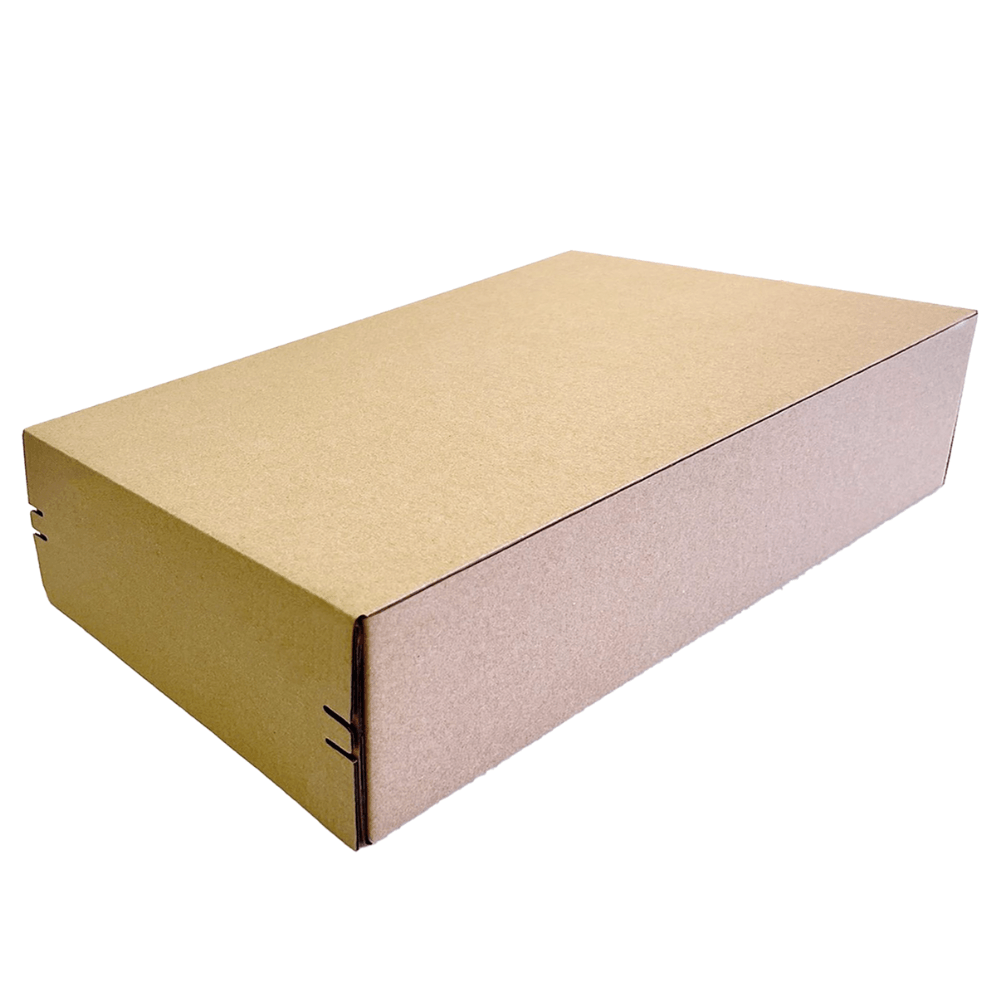
Wholesale 2000pcs Kraft Self Sealing Brown Box Heavy Duty 310 x 230 x 105mm
Types of Packaging Suppliers in Australia
The Australian market offers several distinct types of packaging suppliers, and each one operates differently. Direct manufacturers produce their own materials and often offer the best prices for bulk orders, whilst wholesalers like Packee stock products from multiple manufacturers to give you more variety. Retail suppliers focus on smaller quantities but charge premium prices, and specialty suppliers concentrate on specific industries like food service or medical supplies.
- Direct manufacturers offer lowest prices but require large minimum orders
- Wholesale distributors provide variety and moderate pricing with flexible quantities
- Retail packaging stores serve immediate needs but cost significantly more
- Online-only suppliers reduce overhead costs and pass savings to customers
- Specialty providers focus on niche markets with specific compliance requirements
What Businesses Actually Need
Most e-commerce and retail businesses need reliable packaging supplies that protect products during shipping whilst keeping costs manageable. Online sellers typically require corrugated boxes, bubble mailers, packing tape, and protective materials like bubble wrap or paper fill. Retail stores need display packaging, shopping bags, and branded materials that enhance customer experience.
- E-commerce businesses prioritise shipping boxes with self-sealing features for speed
- Retail operations need branded packaging that reinforces their identity
- Both sectors require consistent quality to avoid returns and damage claims
- Bulk purchasing options help reduce per-unit costs significantly
Our Kraft Self-Sealing brown boxes address these needs with peel-and-seal closures that speed up packing times without sacrificing protection.
Industry Standards and Quality Expectations
Quality packaging suppliers in Australia follow specific standards that protect both businesses and consumers. The Australian Packaging Covenant Organisation sets guidelines for sustainable packaging, whilst individual suppliers maintain their own quality control measures. Understanding these standards helps you spot suppliers who cut corners versus those who deliver consistent results.
| Supplier Type | Minimum Order | Price Range | Delivery Time | Customisation |
|---|---|---|---|---|
| Direct Manufacturer | 5,000+ units | Lowest | 2-4 weeks | High |
| Wholesale Distributor | 500-2,000 units | Moderate | 3-7 days | Limited |
| Retail Supplier | 1-100 units | Highest | Same day | None |
| Online Specialist | 1,000+ units | Competitive | 5-10 days | Moderate |
According to the York Container packaging supplies guide, businesses should expect suppliers to provide detailed product specifications, material certifications, and consistent quality across orders. The best suppliers also offer samples before you commit to large purchases, which helps avoid expensive mistakes.
- Look for suppliers who provide material density specifications and testing data
- Expect clear communication about stock levels and delivery schedules
- Quality suppliers stand behind their products with reasonable return policies
Quality Indicators That Separate Good Suppliers from Great Ones
Most packaging suppliers will tell you their boxes are "high quality," but the real test comes down to specific material specifications that actually protect your products during shipping. The difference between a returned item and a happy customer often depends on whether your supplier uses proper E-Flute corrugated cardboard instead of cheaper alternatives. E-Flute cardboard provides a cushioning layer that absorbs impacts during transit, which matters more than most business owners realise until they start seeing damage claims. When you're evaluating packaging suppliers, the material density and construction method tell you everything you need to know about whether your products will arrive intact.
The GSM rating (grams per square metre) indicates how thick and sturdy the cardboard actually is. Higher GSM numbers mean more protection, but they also mean higher costs and heavier packages.
Material Specifications Worth Asking About
- Cardboard type and flute grade - E-Flute offers the best balance of protection and thickness for postal boxes
- Burst strength ratings - measures how much pressure the box can handle before breaking
- Edge crush test results - shows how well boxes stack in warehouses and delivery trucks
- Water resistance properties - critical for Australian weather conditions during outdoor delivery
- Closure mechanism durability - self-sealing strips should maintain adhesion in various temperatures
Red flags appear when suppliers avoid giving you specific measurements or testing data. If a product description uses vague terms like "premium quality" without backing it up with actual specifications, that's your signal to ask harder questions. You can perform simple tests yourself by ordering samples and trying to crush them, exposing them to moisture, or leaving them sealed for a few days to test the adhesive strength.
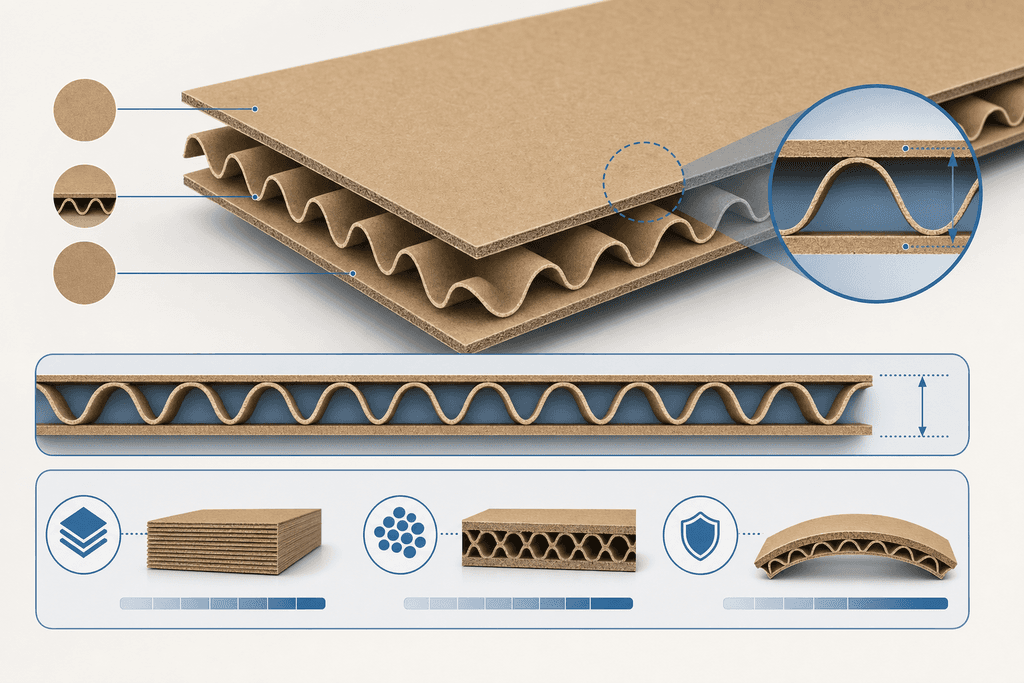
The Kraft Self-Sealing boxes we stock use high-density corrugated E-Flute cardboard specifically because it passes these durability tests consistently. The peel and seal closure system works in both hot Sydney summers and cooler Melbourne winters, which matters when your packages sit in delivery vans all day.
Quality Assessment Checklist
- Request material specification sheets with GSM ratings and flute grades
- Ask for burst strength and edge crush test certifications
- Order samples and test them with your actual products inside
- Check if boxes maintain shape after being stored flat for extended periods
- Verify the self-sealing adhesive works after exposure to heat and humidity
- Confirm boxes can handle the weight of your heaviest products without bulging
Pricing Structures and How to Calculate True Value
Wholesale pricing looks straightforward until you start calculating what you actually pay per box after factoring in delivery fees, storage costs, and the cash flow impact of buying 2000 units at once. Minimum order quantities (MOQs) exist because suppliers need to make bulk production economical, but that doesn't mean every MOQ makes sense for your business size. A box that costs $0.70 each might seem cheaper than one at $0.83, but if the cheaper option requires you to buy 5000 units instead of 2000, you're tying up capital that could go toward inventory or marketing.

The real cost per unit calculation needs to include several factors most people forget about. Delivery charges can add $0.10 to $0.30 per box depending on your location and order size. Storage space has a cost too, whether you're renting warehouse space or just losing room in your garage or stockroom.
| Box Size | Quantity | Total Price (USD) | Cost Per Unit |
|---|---|---|---|
| 220 x 160 x 77mm | 2000 pcs | $935.01 | $0.47 |
| 270 x 200 x 95mm | 2000 pcs | $1400.00 | $0.70 |
| 310 x 230 x 105mm | 2000 pcs | $1650.00 | $0.83 |
Bulk buying makes financial sense when you have consistent shipping volume and adequate storage space. If you're shipping 50 to 100 packages per week, a 2000-piece order gives you roughly 5 to 8 months of supply, which balances cost savings against storage requirements. The hidden costs in packaging procurement often surprise new business owners who only looked at the per-unit price.
Price Comparison Framework
Compare suppliers by calculating the total landed cost, not just the advertised price. Add up the box cost, delivery fees, any handling charges, and divide by the number of units. Then factor in how long that supply will last based on your current shipping volume. A slightly higher per-unit cost with lower MOQ might actually save you money if it means you're not storing boxes for a year.
Delivery Reliability and Service Standards
Standard delivery timeframes in Australia typically range from 3 to 7 business days for metro areas, with regional deliveries taking up to 10 business days depending on your location. These timelines matter because running out of packaging supplies means you can't ship orders, which directly impacts your revenue and customer satisfaction. Reliable packaging suppliers maintain consistent stock levels and communicate clearly about any delays before they become your problem. The difference between a good supplier and one that causes headaches often comes down to whether they tell you about stock issues upfront or leave you discovering it when your order doesn't arrive.
Minimum order quantities affect your cash flow and storage capacity, so understanding a supplier's MOQ policy helps you plan purchases around your actual needs. Some suppliers offer flexibility for established customers, while others maintain strict minimums regardless of order history.
Service Evaluation Checklist
- Confirm typical delivery times to your specific location in Australia
- Ask about stock availability and how often items go on backorder
- Test customer service response time by sending a pre-purchase question
- Review return and replacement policies for damaged or incorrect shipments
- Check if they provide tracking information for all orders
- Verify their reorder process and whether they keep customer order history
- Ask about notification systems for shipping delays or stock issues
Customer service responsiveness shows up in how quickly suppliers answer questions and resolve issues. A supplier who takes three days to respond to an email about a damaged shipment will cause more stress than one who replies within hours. The reorder process should be simple enough that you can place repeat orders without starting from scratch each time.
Our location at 115A Silverwater Rd, Silverwater, NSW 2128 allows us to service Sydney metro areas efficiently, with clear communication about delivery schedules. When you contact sales@packee.com.au, you get responses from people who understand packaging logistics, not generic customer service scripts.
Pack smarter. Ship with confidence.
Everything you need to pack, protect and send.
Discover dependable packaging for eCommerce, retail and wholesale—selected for quality, value and hassle-free shipping across Australia.
- Low minimum orders
- Samples available
- Australia-wide delivery
Matching Packaging Solutions to Your Business Needs
Choosing the right box size prevents both damaged products and wasted money on oversized packaging that requires extra void fill. The correct box should leave about 10-20mm of space around your product for protective material without being so large that items shift during transit. Self-sealing closure systems save significant time compared to traditional tape methods, especially when you're packing dozens of orders per day. A business shipping 50 packages daily can save 15-20 minutes just by eliminating the tape gun step, which adds up to hours each week.
Storage space considerations become critical when ordering in bulk quantities. A pallet of 2000 boxes needs roughly 2-3 square metres of floor space, and you need to keep them in a dry area to prevent moisture damage to the cardboard.
Product Size Matching Guide
| Box Dimensions | Best For | Typical Products |
|---|---|---|
| 220 x 160 x 77mm | Small items | Cosmetics, phone cases, jewellery |
| 270 x 200 x 95mm | Medium items | Books, clothing, small electronics |
| 310 x 230 x 105mm | Larger items | Shoes, multiple products, gifts |
Scaling your packaging as your business grows means starting with versatile sizes that handle most of your product range. The 270 x 200 x 95mm boxes work well as a middle-ground option that accommodates various product types without excessive void fill. As your volume increases, you can add specific sizes for your most common items.
Product-specific requirements matter more than generic packaging advice. Fragile items need boxes with higher burst strength ratings, while heavy products require reinforced corners and bases. The procurement process for packaging should always start with your actual product dimensions and weight, not just picking whatever looks cheapest.
Testing different sizes with your actual products prevents costly mistakes. Order samples from our packaging samples collection to verify fit before committing to bulk quantities. You can also explore our full range of retail packaging options to find solutions that match your specific business needs.
Making the Smart Choice for Your Business
The right packaging supplier decision depends on matching your current business stage with the appropriate balance of cost, quality, and service. Small businesses just starting out often prioritise flexibility and lower minimum orders, while established operations benefit more from bulk purchasing power and consistent supply chains. Your packaging needs will shift as your business grows, so understanding when to make the jump from small orders to wholesale quantities can save thousands of dollars annually. Most businesses reach a tipping point around 500-1000 monthly shipments where bulk purchasing becomes financially sensible.
Bulk vs Small Quantity Purchasing
The choice between wholesale and smaller orders comes down to storage capacity and cash flow. Here's what matters most when weighing your options:
- Wholesale advantages include unit costs as low as $0.47 per box for 2000-piece orders and reduced shipping frequency
- Smaller quantities offer lower upfront investment and easier testing of different box sizes
- Storage requirements for 2000 boxes typically need 8-12 square metres of warehouse space
- Cash flow impact differs significantly, with wholesale requiring $935-$1650 upfront versus $50-200 for trial orders
When Cost Savings Beat Premium Features
Price should drive your decision when shipping volumes exceed 300 units monthly and product damage rates stay below 2%. Premium features like custom printing or reinforced corners matter more for fragile goods or luxury brands where presentation affects customer perception.
| Business Stage | Monthly Volume | Best Choice |
|---|---|---|
| Startup | Under 200 | Small quantities |
| Growing | 200-500 | Mixed approach |
| Established | 500+ | Bulk wholesale |
How Packee Solves Common Packaging Problems
Packee's kraft self-sealing boxes address the three biggest complaints about standard packaging supplies. The peel-and-seal closure eliminates tape costs and speeds up packing by 40% compared to traditional boxes. E-Flute corrugated construction provides weather protection without adding excessive weight that increases shipping costs. Strategic packaging procurement focuses on supplier reliability and total cost of ownership, not just unit price.
- Self-sealing design cuts packing time from 45 seconds to under 30 seconds per box
- Three size options (220mm, 270mm, 310mm) cover 85% of e-commerce product dimensions
- Heavy-duty construction reduces damage claims and customer complaints
Long-term supplier relationships matter more than most businesses realise. Consistent stock availability prevents the costly scramble for emergency packaging supplies that can cost 3-4 times normal prices. A reliable packaging supplier becomes a genuine business partner when they understand your seasonal fluctuations and growth plans.
Your Next Steps to Better Packaging
Finding the right packaging suppliers comes down to three main things: quality materials that protect your products, reliable delivery times that keep your business running, and pricing that makes sense for your budget. Most e-commerce businesses waste money on the wrong supplier because they focus only on price and ignore how packaging quality affects customer experience. The best approach is to test samples first, check minimum order quantities against your actual needs, and make sure the supplier can scale with you as your business grows.
Start by requesting samples from potential suppliers to see the actual quality before committing to bulk orders. Our packaging samples collection lets you test different box sizes and materials without a huge upfront investment. You can also check out our sample request option to get exactly what you need for testing.
The kraft self-sealing boxes we stock come in three sizes to fit most product ranges, and the peel-and-seal closure saves your team hours of packing time compared to tape. When you're ready to scale up, wholesale quantities of 2000 pieces bring the cost per unit down significantly. Browse our full retail packaging range to see what works best for your specific products.
Most businesses find their perfect packaging solution within a week of testing samples and comparing specs. The questions below cover the most common concerns we hear from store owners and warehouse managers.
Common Questions About Choosing Packaging Suppliers
Finding the right packaging supplier involves more than just comparing prices. Most businesses have similar questions when they're starting out or switching suppliers, and getting clear answers can save you time and money down the track. Here are the most common questions we hear from customers looking for reliable packaging supplies.
What's the ideal order quantity for small businesses?
It depends on your storage space and shipping volume, but most small businesses do well starting with 500-1000 units. Wholesale packaging like our Kraft Self-Sealing boxes comes in packs of 2000 pieces, which works out cheaper per unit but requires adequate storage. If you're shipping 50-100 parcels weekly, a bulk order will last you several months and significantly reduce your per-package costs compared to buying smaller quantities from retail suppliers.
How do I know if E-Flute cardboard is right for my products?
E-Flute cardboard is thinner than standard corrugated cardboard but still offers solid protection for most products. It's perfect for items that aren't extremely fragile or heavy, like clothing, books, cosmetics, and small electronics. The main advantage is that E-Flute boxes take up less storage space and cost less to ship because they're lighter, which matters when you're ordering from packaging suppliers in bulk quantities.
What's the difference between self-sealing and regular boxes?
Self-sealing boxes have a peel-and-stick adhesive strip built into the flap, so you don't need packing tape. Regular boxes require tape to close securely. The self-sealing option saves time during packing and eliminates the need to buy and store rolls of tape. For businesses packing dozens of orders daily, this can cut packing time by 30-40% and reduce repetitive strain on your hands.
How long does wholesale packaging typically last in storage?
Cardboard packaging can last several years if stored properly in a dry, climate-controlled environment. Keep boxes away from moisture, direct sunlight, and extreme temperature changes. The adhesive strips on self-sealing boxes remain effective for 12-18 months under normal storage conditions, though they'll last longer in cool, dry spaces.
Can I mix different box sizes in one order?
This varies by supplier, but most wholesale packaging suppliers require you to order each size separately since they come in standardised packs. At Packee, our boxes are sold in 2000-piece quantities per size, so you'd need to order each dimension as a separate line item. Planning your size requirements based on your product range helps you stock the right mix without over-ordering.
What should I do if I receive damaged packaging?
Contact your supplier immediately with photos of the damage and your order number. Reputable packaging suppliers will replace damaged goods or issue a refund, especially if the damage occurred during shipping. Check your boxes as soon as they arrive and document any issues within 48 hours, as most suppliers have specific timeframes for damage claims.