


Packaging Explained for Shipping, Storage, and Retail Use
A damaged product costs you twice: once in the refund and again when that customer never comes back. The box you choose isn't just about getting items from point A to point B—it affects your shipping costs, how customers feel when they open their order, and whether your warehouse runs smoothly or turns into a game of Tetris. Understanding the difference between packaging for shipping, storage, and retail can save you money and turn first-time buyers into loyal customers.
What is the difference between shipping packaging and retail packaging?
Shipping packaging prioritises protection during transit using materials like corrugated cardboard, bubble wrap, and void fill to prevent damage, whilst retail packaging focuses on visual appeal and brand presentation to attract customers at the point of sale. Shipping packaging is typically discarded after delivery, whereas retail packaging serves as a marketing tool that influences purchasing decisions on store shelves.
How much space can you save with proper storage packaging?
Proper storage packaging using stackable containers, uniform dimensions, and space-efficient designs can save between 30% and 50% of warehouse space compared to irregular or oversized packaging. Optimised storage packaging also improves inventory access and reduces handling time by up to 40% in commercial warehouse environments.
What are the three main types of packaging used in business?
The three main types of packaging used in business are shipping packaging (designed for protection during transport), storage packaging (optimised for warehouse efficiency and space utilisation), and retail packaging (created for product display and consumer appeal). Each type serves distinct functional requirements and uses different materials, designs, and cost structures based on its primary purpose.
Table of Contents
Understanding Packaging Types and Their Uses
Most businesses lose money on packaging because they're using the wrong type of box for the job. A fancy die-cut box might look great on a shelf, but it's overkill for warehouse storage. Meanwhile, a basic brown carton won't give your customers that premium unboxing feeling they're after. The trick is knowing which packaging works best for shipping, storage, or retail display, and that starts with understanding what you're actually buying.
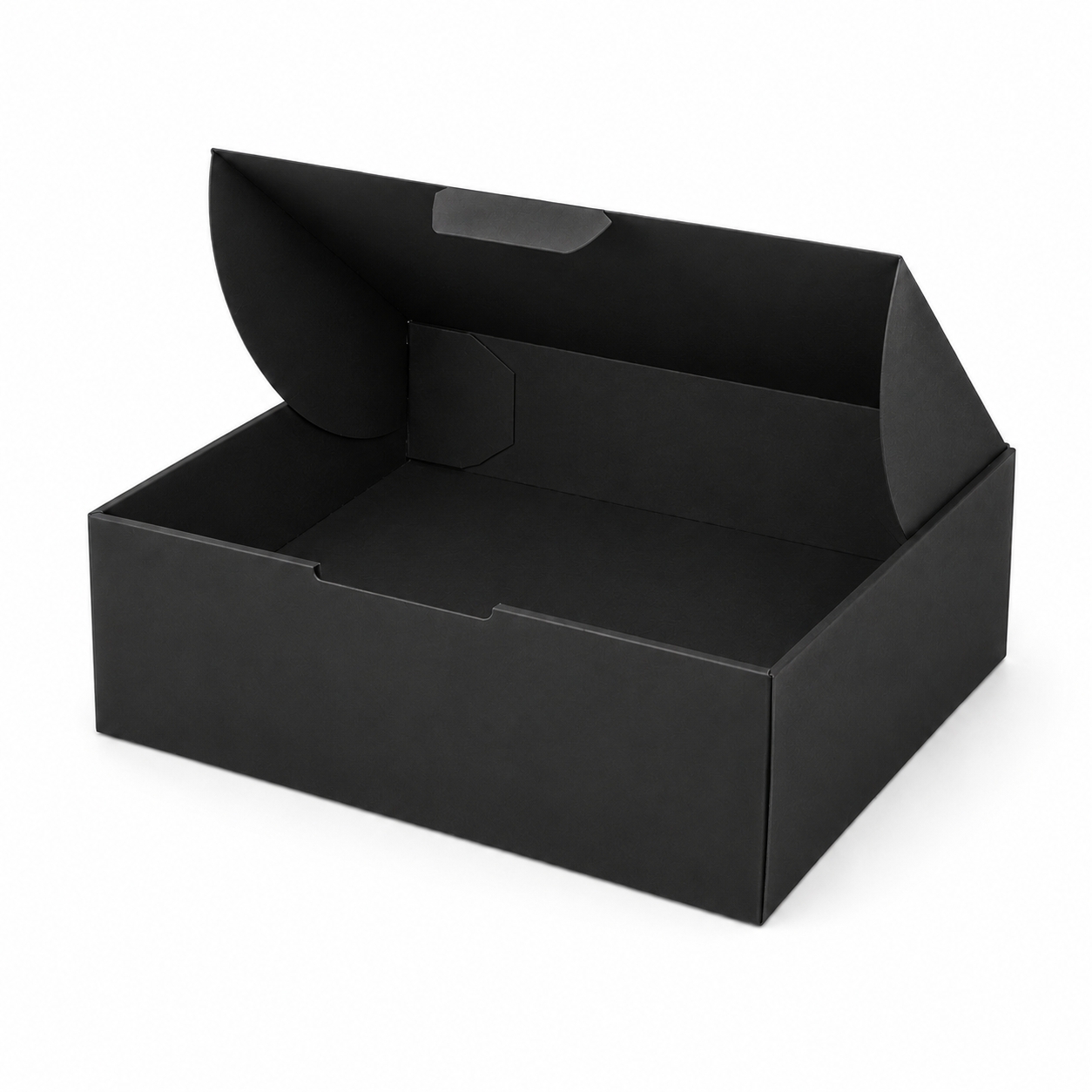
310 x 230 x 105 mm Full Black Die Cut Mailing Shipping Packing Cardboard Boxes
Die-Cut Boxes Versus Corrugated Cartons
These two packaging types look similar at first glance, but they serve completely different purposes. Die-cut boxes are pre-scored and folded into shape without needing tape, which makes them perfect for retail and direct-to-customer shipping. Our Full Black Die Cut Boxes use this design to create a clean, professional look that customers notice right away. Corrugated cartons, on the other hand, are the workhorses of the packaging world.
Here's what makes die-cut boxes stand out:
- No tape needed for assembly, just fold and lock
- Cleaner appearance with hidden flaps
- Better for branding and customer-facing shipments
- Usually come in custom colours like matte black
Corrugated cartons work differently:
- Require packing tape to seal properly
- Stronger construction for heavy items
- More affordable for bulk shipping
- Standard brown colour keeps costs down
What B Flute and RSC Actually Mean
The packaging industry loves its jargon, but these terms are simpler than they sound. B flute refers to the wavy layer inside corrugated cardboard, and it's about 3mm thick. This makes it strong enough to protect most products without adding too much weight or bulk to your shipments. RSC stands for Regular Slotted Carton, which is just a fancy way of saying the flaps meet in the middle when you close the box.
Both our 250 x 150 x 150mm Brown Boxes and 195 x 195 x 350mm Brown Boxes use B flute construction with RSC design. This combination gives you reliable protection without paying for features you don't need. The design also means these boxes stack well in warehouses and delivery trucks.
How Packaging Performs Across Different Uses
The same box that works great for shipping might fail completely in a retail environment. Understanding how different packaging types handle various situations helps you avoid costly mistakes and keeps your products safe throughout their journey.
| Feature | Die-Cut Boxes | Corrugated Cartons |
|---|---|---|
| Assembly Time | 5-10 seconds | 15-20 seconds |
| Tape Required | No | Yes |
| Best For | Retail, ecommerce | Bulk shipping, storage |
| Visual Appeal | High | Basic |
| Cost Per Unit | Higher | Lower |
| Weight Capacity | Light to medium | Medium to heavy |
Shipping needs are different from storage needs, which are different from retail needs. A product sitting in a warehouse for months needs different protection than one going straight to a customer's door. Package design affects your entire supply chain, from how many boxes fit on a pallet to how quickly your team can pack orders.
The key factors to consider:
- How long will the product stay in the packaging
- Will customers see the box or just warehouse staff
- What's the total weight you're shipping
- Does the box need to stack or stand alone
- Are you shipping one item or storing hundreds
Packaging for Shipping: Protection That Pays Off
Most e-commerce businesses lose money on shipping because they choose the wrong box size. When you ship a product in packaging that's too large, carriers charge you based on dimensional weight rather than actual weight, which can double or triple your shipping costs. The right packaging protects your products during transit while keeping your costs reasonable, but finding that balance requires understanding how carriers calculate fees and what your products actually need.
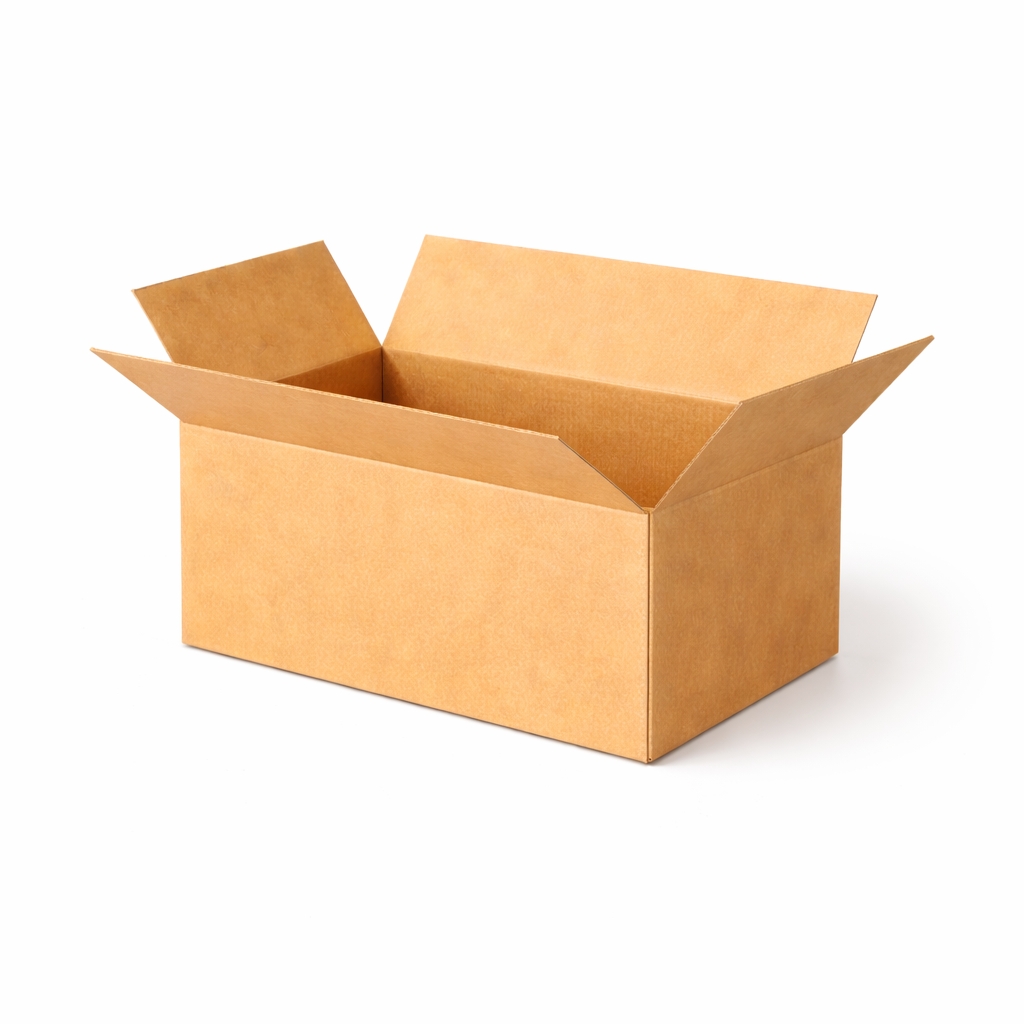
250 x 150 x 150mm Brown Corrugated Slotted Carton
Box size directly affects your bottom line because Australia Post and other carriers use a formula that considers both weight and dimensions. A box that's 50mm larger in each direction can bump you into the next price tier, even if the actual product weighs the same.
- Measure your product's dimensions and add only 10-20mm of clearance for protective materials
- Choose boxes that match standard carrier size breaks to avoid paying for unused space
- Consider the shipping distance when selecting cardboard strength
- Use die-cut boxes for lighter items under 2kg that need a professional appearance
The type of packaging you choose depends on what you're shipping and where it's going. Our 250 x 150 x 150mm brown corrugated cartons work well for daily shipping tasks because they're built from B flute single-wall corrugated cardboard that resists crushing during transport. These boxes handle books, accessories, spare parts, and retail products without adding unnecessary bulk to your shipments.
Matching packaging strength to product fragility saves money in two ways. You avoid paying for overbuilt packaging on sturdy items, and you prevent costly damage claims on fragile products. A ceramic mug needs different protection than a t-shirt, even if they're similar sizes.
Checklist for Selecting Shipping Packaging
- Product weight and fragility level
- Shipping distance (local, interstate, or international)
- Carrier dimensional weight thresholds
- Need for brand presentation vs pure protection
- Storage space available for packaging inventory
- Assembly time and labour costs
Die-cut boxes offer faster packing times because they don't require tape to assemble, which matters when you're processing dozens of orders per day. Standard corrugated cartons cost less per unit but take longer to fold and seal. The choice depends on your labour costs versus material costs.
Packaging for Storage: Maximising Space and Access
Warehouse space costs Australian businesses an average of $150-300 per square metre annually, which means every centimetre of shelf space has a price tag attached. The boxes you choose for storage affect how much inventory you can fit in your warehouse and how quickly your team can find and retrieve items. Smart packaging choices can increase your storage density by 30-40% without making it harder to access what you need, but this requires thinking about dimensions differently than you would for shipping alone.
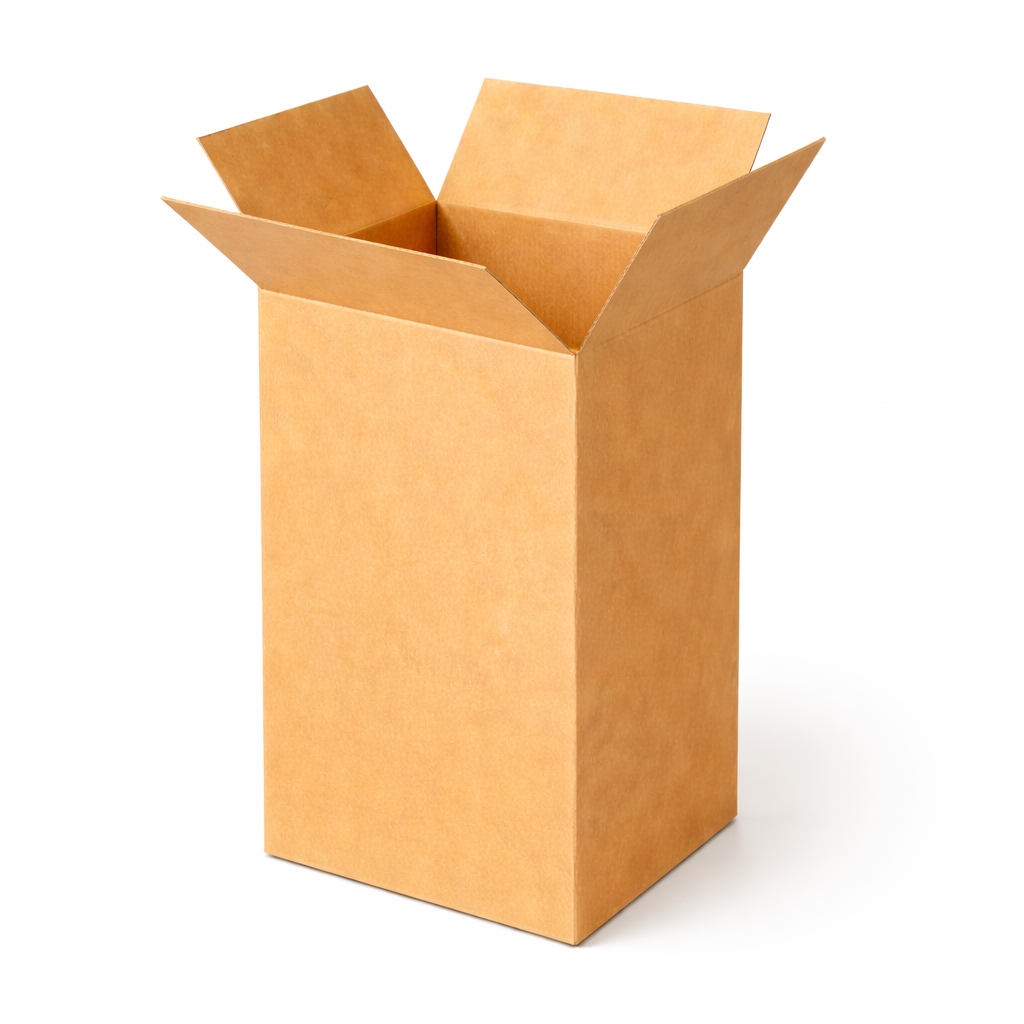
195 x 195 x 350mm Brown Corrugated Slotted Carton
Standardised box sizes create storage efficiency because they stack cleanly on shelves and pallets without wasted gaps. When every box is a different size, you end up with awkward spaces that can't fit anything useful.
The 250 x 150 x 150mm dimension works particularly well for storage because it fits standard warehouse shelving units and allows for stable stacking up to six boxes high. This size accommodates a wide range of products while maintaining enough structural integrity to support weight from boxes stacked above.
| Storage Factor | Impact | Potential Savings |
|---|---|---|
| Standardised sizing | Better stacking | 30-40% more capacity |
| Uniform labelling | Faster retrieval | 15-20% time reduction |
| Proper box strength | Higher stacking | 25% vertical space gain |
Labelling strategies matter more than most businesses realise. When you use consistent box types, you can create a colour-coding system or position labels in the same spot on every box, which helps warehouse staff locate items without opening multiple boxes.
Balancing storage density with access means thinking about how often you need each item. Fast-moving products should go in boxes that are easy to open and reseal, while slow-moving inventory can use more secure packaging that maximises space efficiency. Our 195 x 195 x 350mm brown corrugated cartons work well for taller items that need vertical storage, giving you flexibility in how you organise your warehouse layout.
Packaging for Retail: Making the Right First Impression
Your packaging is the first physical touchpoint between your brand and your customer, and research shows that 72% of consumers say packaging design influences their purchasing decisions. The unboxing experience has become so important that customers film and share it on social media, turning your packaging into free marketing or a public relations problem. Premium packaging costs more per unit, but it can justify higher product prices and reduce return rates by setting proper expectations about product quality before the customer even sees what's inside.
Die-cut boxes with matte finishes elevate brand perception in ways that standard brown cardboard simply can't match. When a customer receives a sleek black box instead of a plain shipping carton, their brain automatically assigns higher value to the contents.
- Matte black packaging signals premium quality and attention to detail
- Die-cut designs create a smooth unboxing experience without tape or scissors
- Consistent packaging builds brand recognition across multiple orders
- Professional presentation reduces perceived risk for gift purchases
The psychology behind unboxing affects customer reviews and repeat purchase rates. Our 310 x 230 x 105mm full black die-cut boxes create memorable moments because the matte black finish looks intentional and refined, not like an afterthought. This size works well for small to medium products, gifts, and accessories where presentation matters as much as protection.
Premium packaging justifies higher costs when your product margins support it and your target customers value presentation. A $50 product can support $2-3 in premium packaging costs, while a $10 product probably can't.
| Feature | Die-Cut Premium | Standard Corrugated |
|---|---|---|
| Brand perception | High-end, professional | Functional, basic |
| Assembly time | 15-20 seconds | 30-45 seconds |
| Cost per unit | Higher | Lower |
| Best for | Gifts, premium items | Bulk shipping, storage |
The decision between premium and standard packaging isn't always clear-cut. Many successful e-commerce businesses use premium retail packaging for direct-to-consumer orders and standard corrugated boxes for wholesale shipments to retailers. This approach maximises the impact of your packaging budget by focusing premium materials where they create the most value.
Pack smarter. Ship with confidence.
Everything you need to pack, protect and send.
Discover dependable packaging for eCommerce, retail and wholesale—selected for quality, value and hassle-free shipping across Australia.
- Low minimum orders
- Samples available
- Australia-wide delivery
Understanding what packaging means for your business helps you make smarter choices about where to invest. The right packaging protects your products, fits your storage space, and creates the brand experience your customers expect.
Matching Packaging to Your Business Model
Most businesses lose money on packaging because they focus only on the box price and ignore hidden costs like storage space, assembly time, and customer returns from damaged goods. The real cost of packaging includes labour hours spent taping boxes, warehouse space consumed by bulky stock, and the brand damage from products arriving crushed. A $0.50 box that takes three minutes to assemble actually costs more than a $1.20 die-cut box that snaps together in seconds when you factor in staff wages. Understanding total packaging cost means looking beyond the price tag to see how each choice affects your entire operation.
Calculating True Packaging Costs
The per-unit price tells only part of the story. Smart businesses track these additional factors when choosing packaging solutions:
- Labour time for assembly and packing (multiply minutes by hourly wage)
- Storage footprint (flat-packed boxes save up to 80% warehouse space)
- Damage rates and replacement costs (premium packaging reduces returns by 15-30%)
- Tape and void fill requirements (die-cut boxes often need zero extras)
- Shipping weight surcharges (lighter packaging means lower freight costs)
| Packaging Type | Unit Cost | Assembly Time | Monthly Labour Cost (100 orders) | True Cost Per Unit |
|---|---|---|---|---|
| Basic brown box | $0.60 | 3 minutes | $150 | $2.10 |
| Die-cut box | $1.20 | 30 seconds | $25 | $1.45 |
| Premium black box | $2.00 | 45 seconds | $37.50 | $2.38 |
When Premium Packaging Pays Off
Premium packaging makes financial sense when your average order value exceeds $50 or when you're targeting gift buyers and corporate clients. A customer spending $200 on jewellery expects presentation that matches the price point, while someone buying industrial parts cares more about protection than aesthetics.
- High-margin products (over 60% margin) can absorb premium packaging costs
- Gift and subscription boxes need unboxing appeal to justify repeat purchases
- B2B orders often prioritise function over form to reduce waste
- Seasonal campaigns benefit from special packaging that stands out
Mixing Packaging for Different Segments
The smartest approach uses different packaging types for different customer groups rather than forcing one solution across your entire catalogue. Our Full Black Die Cut Boxes work brilliantly for direct-to-consumer orders where presentation matters, while standard brown corrugated boxes handle wholesale shipments efficiently.
- Segment customers by order value and purchase frequency
- Use premium packaging for first-time buyers to boost retention
- Switch to functional boxes for repeat customers who value speed
- Reserve branded packaging for products with high return rates
Retailers like those focusing on retail packaging design understand that packaging choice directly impacts shelf appeal and customer perception. The same principle applies to e-commerce, where your box is the first physical touchpoint with your brand.
Scaling Your Packaging Strategy
As order volume grows from 50 to 500 monthly shipments, packaging needs shift dramatically. What worked at startup scale creates bottlenecks at higher volumes, and businesses that don't adapt their packaging strategy end up with frustrated staff and delayed shipments.
- Start with versatile mid-range boxes that handle multiple product sizes
- Add specialised sizes once specific products represent 20% of orders
- Invest in bulk purchasing when monthly volume exceeds 200 units
- Consider custom printing only after establishing consistent branding
Wrap-up
Choosing the right packaging comes down to three main factors: what you're shipping, where it's going, and how you want customers to feel when they open it. Most businesses need more than one type of box because different products have different needs. A fragile item heading overseas needs different protection than a t-shirt going across town.
You don't need to overhaul everything at once to improve your packaging. Start by matching your most common products with the right box size, which cuts down on filler material and shipping costs. Our 250 x 150 x 150mm Brown Corrugated Slotted Cartons work well for everyday shipping tasks, while the 310 x 230 x 105mm Full Black Die Cut Boxes give a premium feel without the premium price tag.
Having a mix of packaging options serves most businesses better than sticking to one solution. Keep standard brown boxes for bulk orders and storage, then use branded or specialty boxes for retail displays and direct-to-customer shipments. The retail packaging collection shows how different box styles can work together in your overall strategy.
The questions below cover the specific packaging challenges that come up most often when you're trying to balance cost, protection, and presentation.
Common Packaging Questions Answered
Choosing the right packaging can feel overwhelming when you're running a business, especially when you're trying to balance cost, protection, and presentation. Most business owners have the same questions about boxes, shipping materials, and what actually works in real-world conditions. Here are the answers to the most common packaging questions we hear from Australian businesses every day.
Can I use the same boxes for shipping and retail display?
Yes, but it depends on the box type and your brand image. Die-cut boxes like our Full Black Die Cut Boxes work brilliantly for both purposes because they look professional enough for retail whilst being sturdy enough for shipping. Standard brown corrugated boxes are better suited for shipping only, unless you're going for an eco-friendly, minimalist retail aesthetic.
How do I know what size box I need for my products?
Measure your product's length, width, and height, then add about 20-30mm to each dimension for padding material. The box should fit snugly around your product without excessive empty space, which reduces shipping costs and prevents items from shifting during transit. If you're between sizes, go smaller and use less padding rather than larger with more void fill.
Are die-cut boxes strong enough for shipping?
Absolutely, as long as you match the box to your product weight and fragility. Die-cut boxes are made from the same corrugated cardboard as traditional shipping boxes, just with a different folding design that makes them easier to assemble. They handle most small to medium products without any issues, though extremely heavy items might need a thicker board grade.
What's the difference between B flute and other corrugated options?
B flute is the most common corrugated cardboard for shipping boxes in Australia, with a thickness of about 3mm that balances strength and cost. It's thinner than C flute (4mm) but provides excellent crush resistance for most products. Our Brown Corrugated Slotted Cartons use B flute single-wall construction, which handles everyday shipping tasks without the extra cost of thicker options.
How much should I budget for packaging per order?
Most small businesses spend between $1.50 and $4.00 per order on packaging, depending on box size and presentation needs. Basic brown boxes cost less but premium options like black die-cut boxes add perceived value that can justify higher product prices. Calculate your packaging cost as a percentage of your average order value, aiming for 3-8% for most products.
Where can I get packaging in Australia with fast delivery?
Packee offers Australia-wide delivery on all our packaging products, with most orders dispatched within 1-2 business days. Unlike larger suppliers like thepackagingpeople.com.au or ozpack.com.au that often require minimum orders of hundreds of units, we stock popular sizes ready to ship in quantities that suit small to medium businesses.