




How to Compare Packaging Suppliers for Price and Delivery
Choosing the wrong packaging supplier can quietly drain thousands from your bottom line each year through delayed shipments, inconsistent stock, and hidden fees that only appear after you've committed. For Australian e-commerce and retail businesses, the difference between a reliable supplier and a problematic one often means the gap between smooth operations and constant firefighting. This guide breaks down exactly how to compare packaging suppliers across the four factors that actually impact your business: pricing structures, delivery reliability, product range, and sustainability options.
Why Your Packaging Supplier Choice Matters
The real cost of a poor supplier choice extends far beyond the price per box. When your packaging supplier runs out of stock mid-campaign, delivers late during your busiest season, or forces you to order from three different companies to get everything you need, those inefficiencies compound quickly. Small delays mean missed dispatch windows, which lead to customer complaints, negative reviews, and lost repeat business that's nearly impossible to quantify on a spreadsheet.
Australian e-commerce and retail businesses need suppliers who understand the pace of online selling and the unpredictability of demand spikes. You need consistent quality so your brand presentation doesn't vary from order to order, reliable stock levels so you're never scrambling for alternatives, and fast turnaround times that match your fulfilment schedule. A supplier like Packee, based in Silverwater NSW, focuses on keeping popular items in stock with same-day dispatch options for Sydney metro orders, which matters when you're racing against customer expectations.
When comparing packaging suppliers, four critical factors determine whether a partnership will support or sabotage your operations. Price structures reveal whether you're getting genuine wholesale value or paying retail rates dressed up with a business account. Delivery speed and reliability show whether the supplier can actually keep pace with your order volume and urgency. Product range determines if you'll waste time coordinating multiple vendors or find everything from mailing boxes to zip lock bags in one place. Sustainability options matter increasingly to customers who check your packaging choices before deciding whether to buy again.
The suppliers operating across Australia vary dramatically in how they handle these four areas. Some offer rock-bottom prices but can't guarantee stock or delivery dates, while others provide premium service at costs that only make sense for enterprise-level volumes. Understanding how to evaluate each factor against your specific business needs turns supplier selection from a guessing game into a strategic decision that protects your margins and keeps operations running smoothly.
What are the main factors to compare when choosing a packaging supplier?
The four main factors to compare when choosing a packaging supplier are product range availability, wholesale pricing structures, delivery speed and reliability, and eco-friendly packaging options. These criteria directly impact operational efficiency, cost management, and sustainability goals for businesses.
How does wholesale pricing work with packaging suppliers?
Wholesale pricing with packaging suppliers typically offers volume-based discounts where unit costs decrease as order quantities increase, with bulk buyers receiving 20-50% lower prices compared to small-quantity purchases. Suppliers often establish tiered pricing structures with minimum order quantities to qualify for wholesale rates.
Why is delivery speed important when selecting a packaging supplier?
Delivery speed is critical when selecting a packaging supplier because delayed packaging deliveries can halt production lines, prevent order fulfilment, and result in lost revenue. Reliable suppliers with consistent delivery timeframes enable businesses to maintain lean inventory levels and respond quickly to demand fluctuations.
Table of Contents
- Why Your Packaging Supplier Choice Matters
- Product Range: Finding Everything Under One Roof
- Wholesale Pricing: Getting Real Value for Your Money
- Delivery Speed and Reliability: Keeping Your Operations Moving
- Eco-Friendly Options: Sustainable Packaging That Works
- Making Your Supplier Decision What Really Matters
- Your Next Steps in Finding the Right Supplier
- Common Questions About Choosing Packaging Suppliers
Product Range: Finding Everything Under One Roof
Most businesses waste about 4-6 hours per week managing orders from multiple packaging suppliers. When you're running an e-commerce store or retail operation, the last thing you need is to juggle three different vendors just to get boxes, tape, and bubble mailers. A comprehensive supplier saves you time, reduces shipping costs, and simplifies your bookkeeping. The real question is whether your current supplier actually stocks everything you need, or if you're settling for a limited range because switching seems like too much hassle.
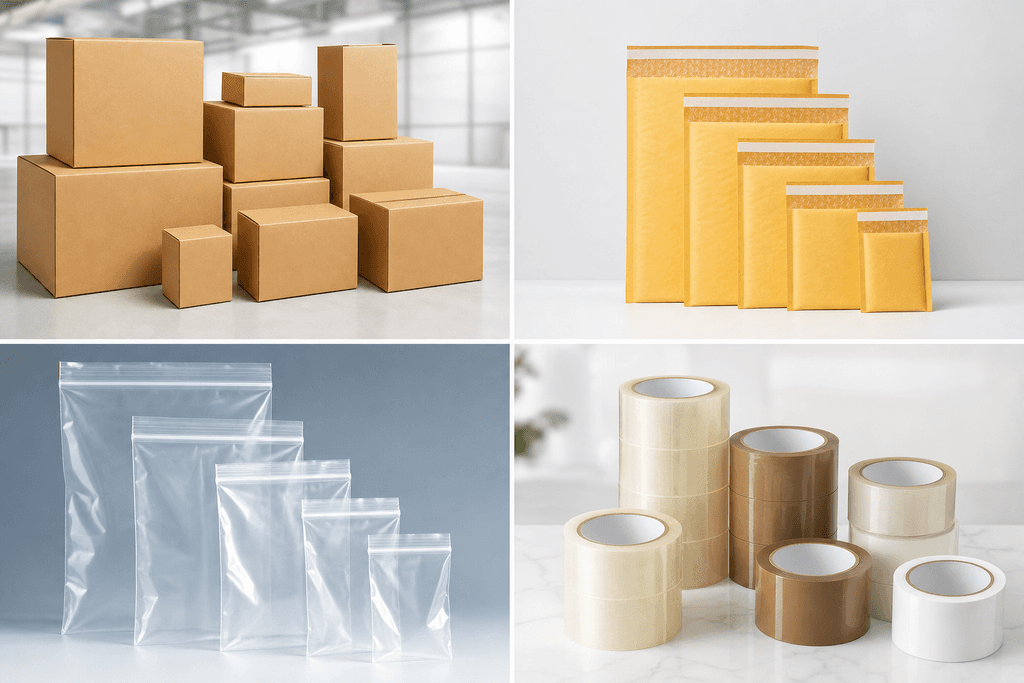
Every e-commerce business needs five core packaging products: mailing boxes in various sizes, padded envelopes for fragile items, zip lock bags for small products, quality packing tape, and shipping labels. Missing even one of these means placing another order elsewhere, which adds delivery fees and delays.
- Mailing boxes in multiple dimensions for different product sizes
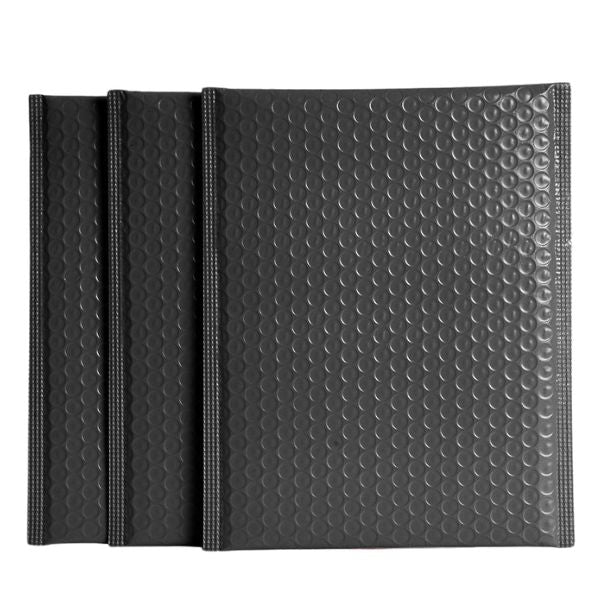
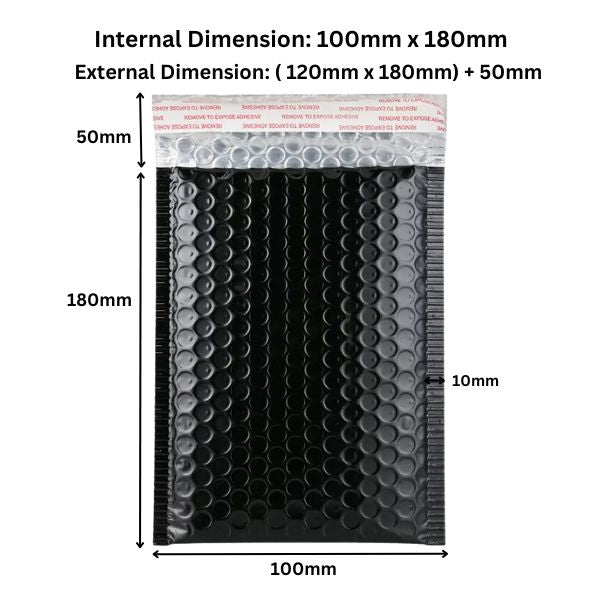
- Padded envelopes for items that need cushioning without bulk
- Zip lock bags for organizing small parts or protecting items from moisture
- Packing tape that actually stays sealed during transit
- Specialty items like retail bags, tissue paper, or custom solutions
The math on single-supplier sourcing is pretty straightforward. If you order from three different vendors, you're paying three delivery fees, managing three invoices, and probably missing out on volume discounts. At Packee, we stock everything from small die-cut boxes to bulk cartons, which means one order covers your entire month's needs.
Industry-specific requirements matter more than most suppliers acknowledge. E-commerce businesses need lightweight mailers to keep postage costs down. Retail stores require branded bags and tissue paper for the in-store experience. Hospitality businesses often need food-safe packaging and takeaway containers. A supplier that understands these differences will stock the right products, not just generic options.
E-commerce: Die-cut mailing boxes, padded mailers, packing tape, shipping labels, zip lock bags
Retail: Shopping bags, tissue paper, gift boxes, price tags, garment bags
Hospitality: Takeaway containers, food-safe bags, napkins, disposable cutlery, delivery packaging
Wholesale Pricing: Getting Real Value for Your Money
A box that costs $1.20 each isn't actually cheaper than one priced at $1.50 if the first supplier charges $45 for delivery and requires a $200 minimum order. Most businesses compare packaging suppliers by looking at unit prices alone, which is exactly how you end up overpaying. The true cost per unit includes delivery fees, minimum order requirements, and whether you're forced to buy quantities you don't actually need. Smart buyers calculate the total landed cost before making decisions.
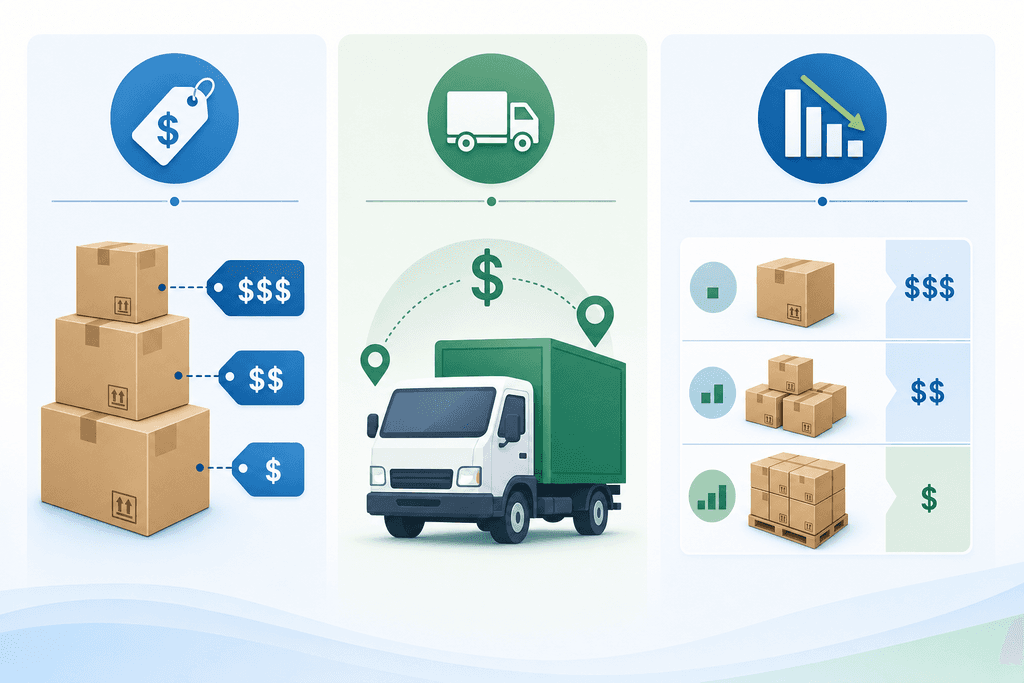
Wholesale pricing tiers work differently across suppliers. Some offer discounts at 100 units, others at 500 or 1,000. The key is finding a supplier whose volume breaks match your actual usage patterns, not aspirational numbers you'll never hit.
| Pricing Factor | What to Check | Red Flags |
|---|---|---|
| Unit Price | Compare same specs | Vague descriptions |
| Delivery Fees | Flat rate or tiered | Hidden surcharges |
| Minimum Order | Dollar or unit amount | Unrealistic quantities |
| Volume Discounts | Tier breakpoints | Only at huge volumes |
Here's what most comparison guides won't tell you: cheaper isn't always better when the quality drops. A box that costs 20 cents less but collapses during shipping will cost you way more in returns, replacements, and damaged customer relationships. We've seen businesses switch to budget suppliers only to come back after dealing with complaints about crushed products.
Packee offers wholesale pricing that makes sense for small to medium businesses, with free delivery on orders over $550 within Sydney metro areas. That threshold is actually reachable for most businesses ordering monthly supplies, unlike some suppliers who set free delivery at $2,000 or more. The calculation is simple: if your monthly packaging spend is around $600, you're getting free delivery and wholesale rates without needing a warehouse to store excess inventory.
Hidden costs show up in unexpected places. Some suppliers charge account setup fees, others add fuel surcharges that change monthly, and a few even charge restocking fees if you need to return damaged goods. Always ask about the total cost structure before committing, and check resources like packaging procurement guides to understand what questions to ask.
Delivery Speed and Reliability: Keeping Your Operations Moving
Running out of boxes on a Monday morning when you have 50 orders to ship is the kind of problem that cascades through your entire week. Delivery speed directly impacts your cash flow because you can't ship products without packaging, and you can't get paid until products ship. Most Australian suppliers promise 3-5 business days for standard delivery, but the difference between three days and five days can mean the difference between meeting your weekly shipping targets or disappointing customers. Reliable suppliers also maintain consistent stock levels, so you're not constantly dealing with backorders on essential items.
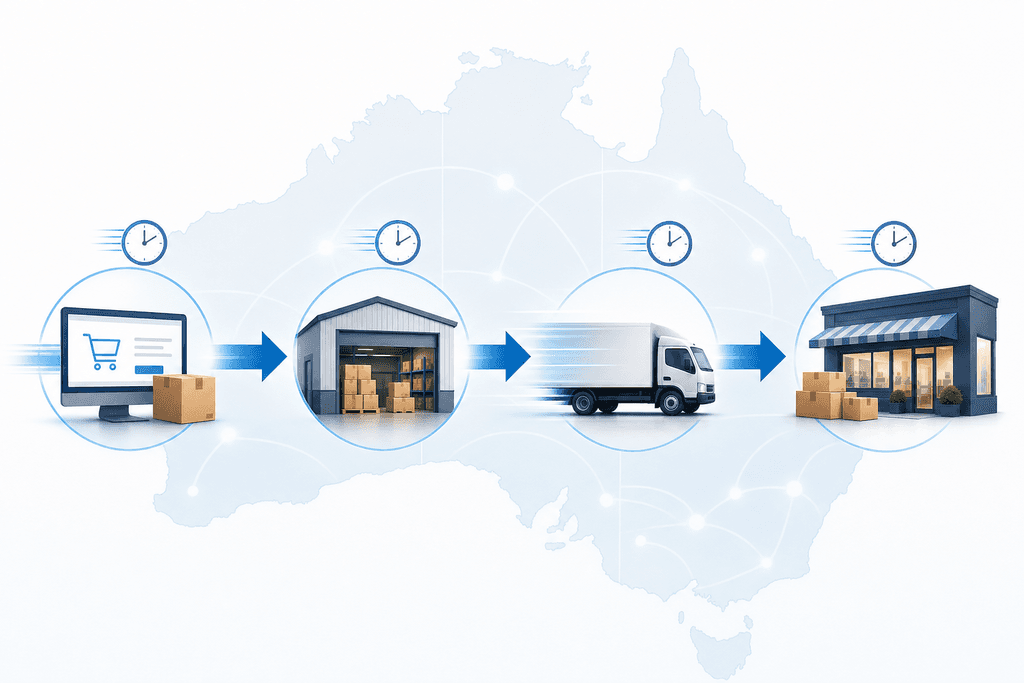
Standard delivery timeframes vary significantly based on your location. Sydney and Melbourne businesses typically see faster turnaround than regional areas, which is why checking your supplier's actual warehouse location matters.
- Metro areas: 2-3 business days for most suppliers
- Regional cities: 3-5 business days depending on courier networks
- Remote locations: 5-7 business days or longer
- Express options: Available but often double the delivery cost
Free delivery thresholds change how you should think about ordering frequency. If the threshold is $550 and you typically spend $400 monthly, it might make sense to order every six weeks instead of monthly. But that only works if you have storage space and predictable usage patterns. For detailed information about delivery zones and timeframes, check out Packee's delivery information which breaks down exactly what to expect based on your postcode.
Stock availability is where many suppliers fall short. A great price means nothing if the product is on backorder for three weeks. Before committing to a supplier, ask about their stock levels for your most-used items and what happens when something goes out of stock. Do they offer substitutions? Will they split your order and charge extra delivery? These details matter when you're trying to maintain consistent operations.
Packee ships fast from our Silverwater location, which gives Sydney metro businesses a real advantage for quick turnaround. We also maintain deep stock on popular items like standard mailing boxes and padded envelopes, so backorders are rare. For urgent needs, having a supplier who can actually deliver within 24-48 hours in metro areas makes a measurable difference to your business continuity.
Eco-Friendly Options: Sustainable Packaging That Works
About 73% of Australian consumers say they consider environmental impact when making purchase decisions, and packaging is one of the most visible parts of that equation. When your customer opens a package filled with excessive plastic and non-recyclable materials, it creates an immediate negative impression that affects whether they'll order again. Sustainable packaging isn't just about feeling good anymore, it's become a practical business requirement. The challenge is finding eco-friendly options that actually protect your products during shipping without costing twice as much or falling apart in transit.
Three main types of sustainable packaging dominate the market: recyclable materials that can be processed through standard recycling systems, biodegradable options that break down naturally, and products made from recycled content. Each has different cost implications and performance characteristics.
Benefits:
• Improves brand reputation with environmentally conscious customers
• Often lighter weight, reducing shipping costs
• Meets increasing retailer requirements for sustainable practices
• Can be marketed as a value-add to customers
Considerations:
• May cost 10-30% more than conventional options
• Performance varies, requires testing for your specific products
• Not all "eco-friendly" claims are legitimate
• Storage requirements may differ from standard packaging
Greenwashing is a real problem in the packaging industry. Some suppliers slap a green leaf logo on regular plastic and call it eco-friendly. Genuine eco-credentials include specific certifications like FSC certification for paper products, clear recycling symbols, and transparent information about what percentage of the material is actually recycled content. If a supplier can't provide specifics, that's a warning sign.
Packee offers eco-friendly packaging options that balance sustainability with functionality. Our recyclable cardboard boxes and paper-based mailers work just as well as conventional options for most applications. The cost difference is minimal when you factor in the customer goodwill and reduced shipping weight. For businesses wanting to test sustainable options before committing, we offer packaging samples so you can verify performance with your actual products.
The sustainability conversation has shifted from "nice to have" to "expected by default." Businesses that ignore this trend risk losing customers to competitors who take environmental concerns seriously. But the good news is that sustainable packaging technology has improved dramatically, so you're no longer choosing between protecting the environment and protecting your products during shipping.
Making Your Supplier Decision What Really Matters
Most businesses waste hours comparing packaging suppliers without a clear framework for making the final decision. The truth is, not all comparison factors carry equal weight for every business. A small online retailer shipping 50 orders per week has completely different priorities than a hospitality business ordering bulk supplies quarterly. Understanding which factors matter most for your specific situation saves time and prevents costly supplier relationships that don't fit your actual needs.
Prioritising Factors by Business Type
Your business size and industry determine which supplier attributes deserve the most attention. E-commerce businesses typically need fast turnaround times and diverse product ranges, while wholesale operations focus heavily on volume pricing and consistent stock availability.
- Small businesses (under 100 orders/month) should prioritise minimum order quantities, delivery speed, and customer service responsiveness
- Medium businesses (100-500 orders/month) benefit most from competitive pricing tiers, reliable stock levels, and flexible payment terms
- Large operations (500+ orders/month) need dedicated account management, custom solutions, and guaranteed supply chain stability
- Seasonal businesses require suppliers who accommodate fluctuating order volumes without penalty fees
Red Flags That Signal Supplier Problems
Pack smarter. Ship with confidence.
Everything you need to pack, protect and send.
Discover dependable packaging for eCommerce, retail and wholesale—selected for quality, value and hassle-free shipping across Australia.
- Low minimum orders
- Samples available
- Australia-wide delivery
Certain warning signs indicate a packaging supplier relationship will cause headaches down the track. Hidden fees that only appear at checkout, vague delivery timeframes without tracking, and poor communication during the quote process all suggest bigger problems ahead.
| Red Flag | What It Means | Impact on Your Business |
|---|---|---|
| No clear pricing | Hidden costs | Budget overruns |
| Vague delivery times | Poor logistics | Stock shortages |
| Limited contact options | Weak support | Unresolved issues |
| No return policy | Quality concerns | Wasted money |
Why Reliability Trumps Price Alone
The cheapest packaging supplier often becomes the most expensive when orders arrive late or damaged. Supplier reliability and customer service quality directly impact your ability to fulfil customer orders on time. A supplier who answers queries within hours and resolves issues proactively prevents the cascading problems that damage your reputation with end customers.
- Response time to enquiries should be under 24 hours for email and immediate for phone support
- Order accuracy rates above 98% indicate strong quality control systems
- Proactive communication about stock issues or delays shows professional operations
- Flexible problem resolution demonstrates customer-focused business practices
The Australian Advantage with Local Suppliers
Australian businesses benefit significantly from working with local packaging suppliers who understand regional logistics challenges and compliance requirements. Packee combines competitive wholesale pricing with free delivery on orders over $550 in Sydney metro areas, addressing two major pain points simultaneously. The company's commitment to eco-friendly options also aligns with growing consumer expectations around sustainable packaging, which matters increasingly for brand reputation.
Essential Questions Before Committing
Smart businesses ask specific questions that reveal how a supplier actually operates beyond their marketing claims. According to industry packaging comparison guidelines, these questions expose potential issues before they become problems.
- What is your average order fulfilment time from payment to delivery?
- How do you handle damaged or incorrect orders, and what is the typical resolution timeframe?
- What minimum order quantities apply, and are there volume discounts available?
- Do you maintain consistent stock levels, and how do you communicate stock shortages?
- What payment terms do you offer, and are there early payment incentives?
Testing Suppliers with Trial Orders
Never commit to bulk orders or long-term contracts without testing a supplier's actual performance first. Trial orders reveal the reality behind promises about quality, delivery speed, and customer service. Order a small quantity of your most commonly used items and evaluate every touchpoint from browsing to delivery.
- Test the ordering process for ease of use and clarity of information
- Measure actual delivery time against promised timeframes
- Inspect product quality carefully against your standards and competitor samples
- Contact customer service with a question to assess responsiveness and helpfulness
- Review packaging and presentation of delivered goods for professionalism
Decision Making Checklist
Use this practical checklist to evaluate packaging suppliers systematically and make confident decisions based on your specific business requirements.
Packaging Supplier Evaluation Checklist
Pricing and Value
- ☐ Transparent pricing with no hidden fees
- ☐ Competitive rates compared to at least three other suppliers
- ☐ Volume discounts available for your typical order sizes
- ☐ Free or reasonable delivery costs for your location
Product Range and Quality
- ☐ Stocks all packaging types you regularly need
- ☐ Quality meets or exceeds your standards
- ☐ Eco-friendly options available if required
- ☐ Custom or branded packaging possible for future growth
Delivery and Logistics
- ☐ Delivery timeframes suit your operational needs
- ☐ Reliable tracking systems provided
- ☐ Consistent on-time delivery record verified
- ☐ Flexible delivery options for urgent orders
Service and Support
- ☐ Multiple contact methods available
- ☐ Response times under 24 hours confirmed
- ☐ Clear returns and refunds policy stated
- ☐ Dedicated account support for larger orders
Business Compatibility
- ☐ Minimum order quantities align with your needs
- ☐ Payment terms suit your cash flow
- ☐ Stock availability matches your ordering frequency
- ☐ Supplier values align with your brand (sustainability, local business, etc.)
The right packaging supplier becomes a genuine business partner rather than just a vendor. Taking time to evaluate suppliers properly using these criteria prevents the frustration and cost of switching suppliers later when problems emerge.
Your Next Steps in Finding the Right Supplier
Choosing between packaging suppliers comes down to four main things: product range, pricing structure, delivery speed, and sustainability options. The supplier you pick affects how smoothly your orders go out, how much you spend each month, and whether your customers get their items in one piece. Most e-commerce businesses waste money on the wrong supplier simply because they didn't compare these factors properly before committing.
Your packaging costs add up faster than you think. A supplier with slightly higher unit prices but free delivery might actually save you money compared to one with cheap products and expensive freight. The same goes for mailing products that arrive damaged or late, which can mess up your entire shipping schedule.
At Packee, we stock everything from die-cut mailing boxes to courier-specific shipping labels, with free delivery on orders over $550 in Sydney metro areas. Our warehouse at 115A Silverwater Rd means most Sydney businesses get their stock within a day or two, which matters when you run out of boxes mid-week.
The smart move is to test a few packaging suppliers before you lock in. Order samples, compare the actual delivered costs, and see who responds fastest when you have questions. Check our delivery information to see if your area qualifies for free shipping, then grab a packaging sample to feel the quality yourself.
Most businesses find their ideal supplier within two or three comparisons. The questions below cover the specific details you'll want to know before placing your first order.
Common Questions About Choosing Packaging Suppliers
Choosing the right packaging supplier involves more than just comparing prices on a spreadsheet. Business owners often have similar concerns when they're evaluating different options, and getting clear answers can save you time and money. Whether you're switching suppliers or buying packaging for the first time, these questions come up again and again. Here's what you need to know before making your decision.
What's the typical minimum order for wholesale packaging suppliers?
Most packaging suppliers in Australia set minimum orders between $200 and $500 to qualify for wholesale pricing. Some larger suppliers like thepackagingpeople.com.au and stanleypackaging.com.au may require higher minimums, especially for custom orders. At Packee, we keep our minimums reasonable so smaller businesses can access wholesale rates without overstocking their storage space.
How quickly can I expect delivery in Sydney versus regional Australia?
Sydney metro deliveries typically arrive within 1-3 business days with most packaging suppliers, and Packee offers free delivery on orders over $550 in Sydney metro areas. Regional Australia usually takes 3-7 business days depending on your location. The delivery speed often depends on whether the supplier has local warehouses or ships everything from interstate, so it's worth asking where your order will actually come from.
Are eco-friendly packaging options more expensive than standard options?
Eco-friendly packaging used to cost significantly more, but the price gap has narrowed considerably in recent years. You'll typically pay about 10-20% more for sustainable options like recycled cardboard or biodegradable mailers compared to standard materials. The extra cost often balances out when you consider that many customers actively prefer businesses that use environmentally responsible packaging.
What payment terms do packaging suppliers typically offer?
Most packaging suppliers require payment upfront for new customers, though some offer 30-day payment terms once you've established a relationship. Larger suppliers like ozpack.com.au and reitsema.com.au may extend credit to businesses with solid trading history. It's always worth asking about payment flexibility, especially if you're planning to become a regular customer.
How do I know if a supplier's quality is consistent?
The best way to gauge quality consistency is by checking reviews from long-term customers and asking about the supplier's quality control processes. Look for suppliers who source from reputable manufacturers and offer guarantees on their products. If a supplier seems hesitant to discuss where their products come from or how they handle quality issues, that's usually a red flag worth noting.
Can I get samples before placing a large order?
Most reputable packaging suppliers will provide samples, though policies vary between free samples and charging a small fee. Some suppliers like packqueen.com.au and ebpackaging.com.au offer sample packs for a nominal cost. Getting samples is especially important if you're ordering custom sizes or trying a new product type, as it lets you test the quality before committing to bulk quantities.