

Cellophane Bags Explained for Gifts, Food, and Retail
A customer picks up two identical products on your shelf, but one is wrapped in a crystal-clear cellophane bag that shows off every detail while the other sits in opaque packaging. That simple difference in visibility can be the deciding factor between a sale and a pass, which is why cellophane bags have become essential packaging for businesses across e-commerce, retail, and food industries. Whether you're running a bakery in Silverwater, managing an online gift shop, or stocking retail shelves, understanding how to use cellophane bags properly saves you money while making your products look more professional and appealing to customers.
What are cellophane bags actually made from?
Traditional cellophane bags are made from regenerated cellulose derived from wood pulp or cotton, making them biodegradable and compostable, though most modern 'cellophane' bags sold today are actually polypropylene (OPP or BOPP), a clear plastic that resembles true cellophane but is not biodegradable.
What size cellophane bags do I need for cookies?
Standard cookies typically require cellophane bags measuring 10 cm × 15 cm for individual biscuits or 15 cm × 23 cm for 2-4 cookies, whilst larger gift packs of 6-12 cookies work best in 20 cm × 30 cm bags with a 5 cm gusset for depth.
Are cellophane bags food safe in Australia?
Cellophane bags marketed for food use in Australia must comply with Food Standards Australia New Zealand (FSANZ) regulations and the Australia New Zealand Food Standards Code, with food-grade polypropylene bags being safe for direct contact with dry foods, baked goods, and confectionery.
Table of Contents
What Actually Are Cellophane Bags
Most people call them cellophane bags, but here's something that might surprise you - the clear bags you see in shops today probably aren't cellophane at all. Real cellophane was invented back in 1908 from wood pulp, making it one of the first transparent packaging materials ever created. These days, when you grab what looks like a cellophane bag at the store, you're almost always holding a plastic alternative called OPP, which stands for oriented polypropylene.
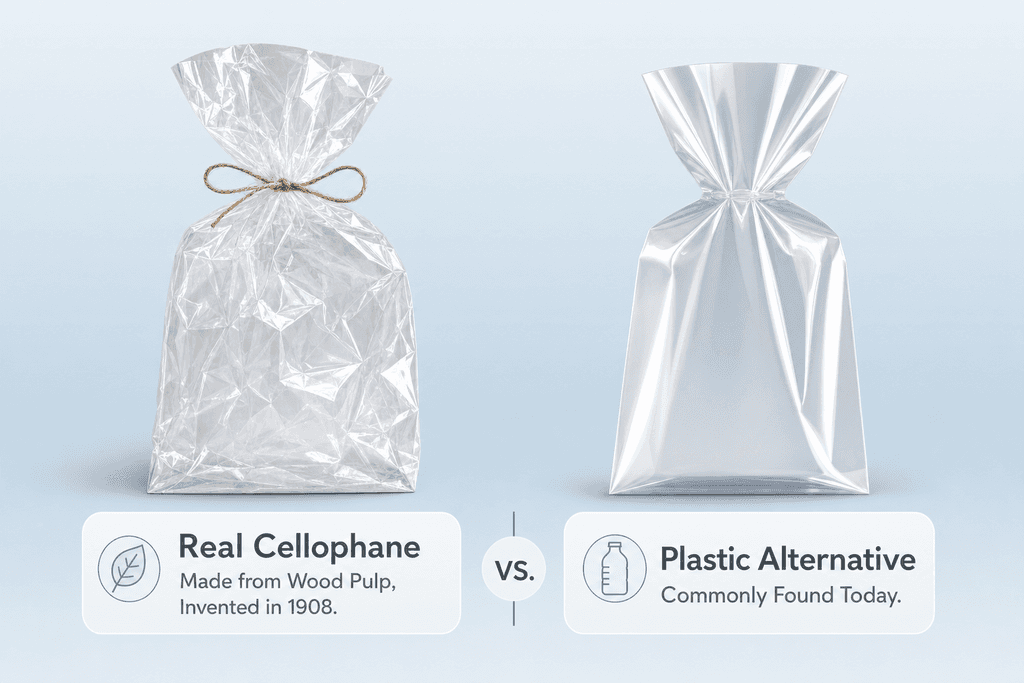
The switch happened because true cellophane became too expensive and tricky to manufacture compared to modern plastic options. While genuine cellophane still exists, it's become a specialty product that most businesses can't justify using for everyday packaging needs.
Why the Name Stuck Around
Even though the material changed, people kept calling these bags "cellophane" because the name was already familiar. It's a bit like how we still say "hang up the phone" even though nobody actually hangs anything up anymore. The term became so common that it stuck, even as the actual product evolved into something completely different.
Understanding what you're actually buying matters more than you might think. The material affects everything from how long your products stay fresh to whether the packaging breaks down in landfill. At Packee, our clear bags use modern OPP materials that give you the clarity and protection businesses need without the high cost of traditional cellophane.
The Real Difference Between Materials
Here's what separates true cellophane from the OPP bags most Australian businesses use today:
| Feature | True Cellophane | OPP Bags |
|---|---|---|
| Base Material | Wood cellulose | Polypropylene plastic |
| Biodegradable | Yes (2-3 months) | No (takes years) |
| Moisture Resistance | Poor without coating | Excellent |
| Cost | High | Low to moderate |
| Common Uses | Specialty gifts, flowers | Food, retail, gifts |
| Clarity | Good | Excellent |
What Makes OPP Bags Popular
Modern OPP bags took over the market for some pretty solid reasons. They're cheaper to make, easier to seal, and they actually protect products better than old-school cellophane ever did. The moisture resistance alone makes them perfect for food packaging, which is why you'll find them everywhere from bakeries to lolly shops across Australia.
These bags also come with options that cellophane never had. You can get them with adhesive strips for easy sealing, different thicknesses for various products, and even printed designs. According to industry research on cellophane food packaging, the versatility of modern alternatives has made them the go-to choice for most commercial applications.
The environmental angle gets a bit complicated though. True cellophane wins on biodegradability, breaking down naturally in just a few months. OPP bags stick around much longer, but they use less energy to produce and transport because they're lighter and stronger. Some businesses now opt for biodegradable OPP alternatives that try to split the difference, though these typically cost more than standard options.
Types of Cellophane Bags for Different Business Needs
Most people think all cellophane bags are the same, but choosing the wrong type can make your products look cheap or unprofessional. The three main categories of cellophane bags are flat bags, gusseted bags, and self-seal options, and each serves a completely different purpose. Flat cellophane bags work best for simple products like greeting cards, cookies, or small gifts where you want a sleek, minimal look. Gusseted bags have expandable sides that create depth, making them perfect for bulkier items like muffins, soap bars, or gift sets that need to stand upright. The type you choose affects not just how your product looks, but whether it even fits properly.
Self-adhesive strip bags have changed the game for businesses that don't want to mess around with heat sealers or twist ties. You simply peel off the backing and press the strip down, which saves heaps of time when you're packaging hundreds of items. These work brilliantly for e-commerce businesses shipping small products or samples.
| Bag Type | Best For | Key Feature |
|---|---|---|
| Flat Bags | Cards, flat cookies, photos | Sleek presentation |
| Gusseted Bags | Baked goods, soaps, bulky items | Stands upright |
| Self-Seal Bags | Quick packaging, samples | No heat needed |
The difference between food-grade and general-purpose bags matters more than most retailers realise. Food-grade cellophane bags meet Australian food safety standards and won't transfer chemicals or odours to edible products. If you're packaging anything people will eat, you need food-grade bags, full stop. General-purpose bags work fine for candles, jewellery, or craft items where food contact isn't a concern.
Clear cellophane bags let customers see exactly what they're buying, which builds trust and reduces returns. Printed options with your logo or design create instant brand recognition, though they typically require minimum order quantities. At Packee, we stock both clear and printed varieties to suit different business sizes and budgets.
Sizing and Selecting the Right Cellophane Bags
Getting the size wrong costs you money in two ways: bags that are too small won't fit your product, and bags that are too large make your items look lost and cheap. The proper way to measure your products is to check the length, width, and height (for gusseted bags) at the widest points, then add extra space for presentation. Most businesses forget to account for the seal area at the top, which typically needs an extra 3-5 centimetres. This mistake leads to cramped-looking packages that are hard to seal properly.
Standard cellophane bag sizes in Australia range from small 10cm x 15cm bags for jewellery up to large 30cm x 40cm bags for gift hampers. The most popular sizes for retail are 15cm x 20cm and 20cm x 30cm because they handle the majority of small to medium products.
- Measure your product at its widest point in all directions
- Add 2-3cm to width and length for comfortable fit
- Add 3-5cm extra at the top for sealing space
- Test with one bag before ordering in bulk
- Consider seasonal products that might be larger
The right amount of extra space depends on what you're selling. Gift items look better with more breathing room (about 3-4cm extra on each side), while food products should fit snugly to maintain freshness. Too much empty space makes products slide around and look unprofessional, but too little makes them hard to insert and seal.
Bulk ordering saves money, but you need to balance cost savings against storage space and product changes. Most suppliers offer better pricing at quantities of 500, 1000, or 5000 bags. The cost difference between sizes is usually minimal, so sizing up one increment often makes sense if you're between sizes. According to industry research on cellophane bag properties, proper sizing extends shelf life for food products by reducing air exposure.
Best Applications for Cellophane Bags in Retail and Food
Bakeries and cafes use cellophane bags more than any other retail sector because they keep baked goods fresh while showing off the product. Food-grade cellophane bags provide a moisture barrier that prevents cookies and pastries from going stale, while the clear material lets customers see exactly what they're buying. The bags also meet Australian food safety standards when used properly, which protects your business from compliance issues. For food packaging, you need to ensure the bags are specifically marked as food-grade and stored in clean, dry conditions before use.
Gift shops and craft retailers rely on cellophane bags to create that professional, boutique look without spending a fortune on rigid boxes. The bags work perfectly for candles, handmade soaps, jewellery, and small gift sets. You can dress them up with ribbon, custom stickers, or printed cards to match your brand.
| Business Type | Common Use | Key Benefit |
|---|---|---|
| Bakeries | Cookies, brownies, slices | Freshness + visibility |
| Gift Shops | Candles, soaps, small items | Professional presentation |
| E-commerce | Samples, small products | Lightweight shipping |
| Markets | Handmade goods, treats | Quick, attractive packaging |
Pack smarter. Ship with confidence.
Everything you need to pack, protect and send.
Discover dependable packaging for eCommerce, retail and wholesale—selected for quality, value and hassle-free shipping across Australia.
- Low minimum orders
- Samples available
- Australia-wide delivery
E-commerce businesses use cellophane bags for samples, small accessories, and product protection inside larger shipping boxes. The bags are lightweight, which keeps shipping costs down, and they add a layer of protection against moisture and dust. Seasonal and promotional packaging becomes much easier with cellophane bags because you can quickly create themed gift sets or limited-edition bundles without investing in custom boxes.
Creating professional product bundles is where cellophane bags really shine for retail managers. You can combine multiple items into attractive gift sets that command higher prices than selling items separately. The clear bags let customers see the full value of what they're getting, which justifies premium pricing. However, cellophane bags do have limitations: they're not suitable for very heavy items, sharp objects that might puncture them, or products that need completely airtight sealing. For more detailed information about what cellophane bags can and can't do, this guide separates facts from common myths about their capabilities.
The versatility of cellophane bags makes them a staple for businesses across retail, food service, and e-commerce sectors. Whether you're packaging fresh cookies or creating gift bundles, having the right type and size of bag makes your products look professional without breaking your budget.
Making Cellophane Bags Work for Your Bottom Line
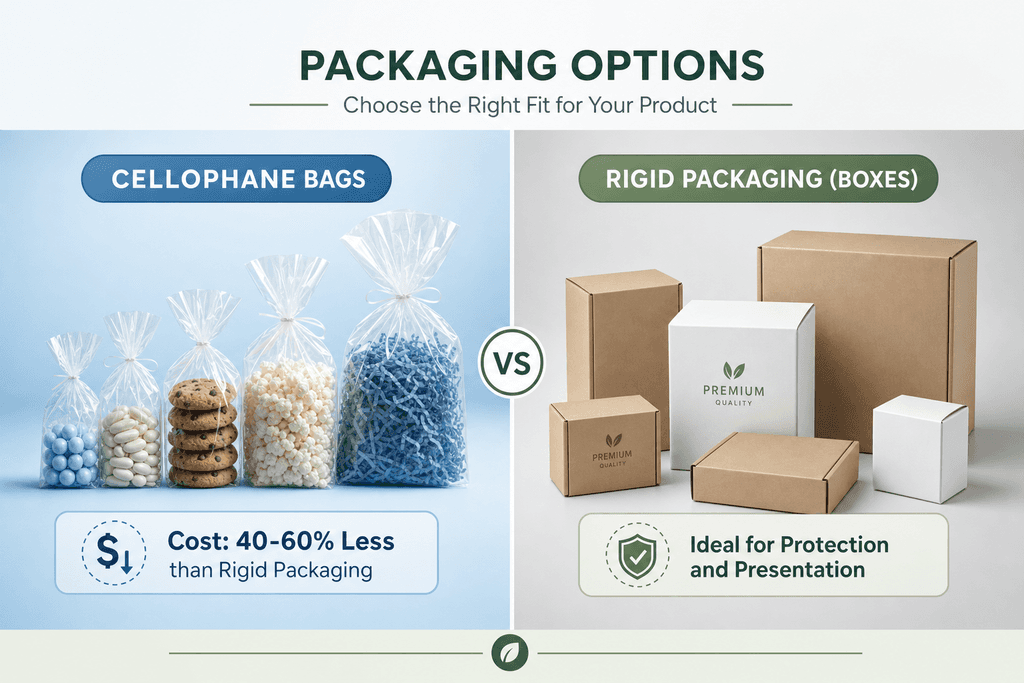
Cellophane bags typically cost 40-60% less than rigid packaging alternatives like boxes or tins for small retail items. When you're packaging hundreds or thousands of products each month, this difference adds up fast. The real question isn't whether cellophane bags are cheap, but whether they're the right choice for your specific products and customers. Understanding when to use them versus alternatives like paper bags, plastic pouches, or boxes can save you thousands of dollars annually whilst maintaining the presentation your customers expect.
When Cellophane Bags Beat the Competition
Cellophane bags deliver the best value when product visibility matters more than structural protection. Food businesses selling cookies, lollies, or baked goods benefit most because customers can see exactly what they're buying without opening the package. Gift shops and craft sellers also win with cellophane because the transparent material showcases the product whilst adding a professional touch.
- Products under 500 grams that don't need crush protection
- Items where visual appeal drives purchase decisions
- Gifts and party favours requiring quick, attractive packaging
- Food products with short shelf lives sold within weeks
Cost Savings: Businesses switching from boxes to cellophane bags for appropriate products report 35-50% reduction in packaging costs per unit.
Bulk Buying Strategies That Actually Work
Ordering cellophane bags in quantities of 1,000 or more typically reduces per-unit costs by 25-40% compared to smaller orders. At Packee, we offer wholesale pricing that makes bulk purchases accessible even for smaller businesses. The key is balancing storage space against cost savings, which is where understanding shelf life becomes critical.
| Order Quantity | Cost Per Bag | Total Savings |
|---|---|---|
| 100 bags | $0.45 | Baseline |
| 500 bags | $0.32 | 29% less |
| 1,000+ bags | $0.24 | 47% less |
Storage and Shelf Life Considerations
Cellophane bags stored in cool, dry conditions maintain quality for 12-18 months without degradation. This extended shelf life means you can buy in bulk without worrying about waste. Paper bags, by contrast, can absorb moisture and lose their crisp appearance within 6-8 months in typical storage conditions.
- Store away from direct sunlight to prevent material breakdown
- Keep in low-humidity environments below 60% relative humidity
- Stack flat to maximise storage space efficiency
Customer Perception: 68% of consumers rate products in clear cellophane bags as higher quality compared to opaque plastic bags, according to packaging industry research.
The impact on perceived value shouldn't be underestimated. Cellophane bags create a premium appearance that justifies higher price points compared to basic plastic packaging. This perception boost often allows businesses to increase retail prices by 10-15% whilst maintaining sales volume, effectively turning packaging into a profit centre rather than just a cost.
Wrap-up
Cellophane bags come in three main types that cover most business needs: flat bags for simple items like cookies and cards, gusseted bags for bulkier products that need to stand upright, and self-seal bags that save time when you're packing hundreds of orders. The right choice depends on what you're packing, how much protection it needs, and whether you want customers to see the product clearly. Most small businesses start with one or two types and add more as they figure out what sells best.
The decision framework is pretty straightforward. Food items need food-grade cellophane bags, gifts look better in crystal-clear options, and retail products often work best with self-seal tops for quick packing. If you're just starting out, order small quantities of a few different sizes to test what works for your products.
Finding quality cellophane bags in Australia doesn't need to be complicated. Packee stocks a range of cellophane bags at our Silverwater location, and we deliver free on orders over $550 in Sydney metro areas. The key is finding a supplier who keeps stock on hand so you're not waiting weeks when you run out.
Starting small makes sense for most businesses. Order enough bags for a month or two of sales, then scale up once you know exactly which sizes and styles you need. You'll waste less money on bags that don't fit right, and you can adjust as your product line changes.
Common Questions About Cellophane Bags
Choosing the right cellophane bags for your business means understanding what makes them safe, practical, and suitable for your needs. These questions come up time and again from business owners looking to package their products properly. Whether you're wrapping homemade biscuits or presenting retail gifts, knowing the answers helps you make smarter purchasing decisions. Here's what most people want to know before they buy.
Are cellophane bags safe for food?
Yes, most cellophane bags sold in Australia are food safe, but you need to check for proper certifications. Look for bags that meet Australian food safety standards or have FDA approval if they're imported. True cellophane made from cellulose is naturally food safe, whilst polypropylene alternatives (often called cellophane) should be labelled as food grade if you're using them for edible items. At Packee, our cellophane bags are clearly marked for food contact, so you know exactly what you're getting.
What is the best way to seal cellophane bags?
You don't need fancy equipment to seal cellophane bags properly. The most common methods include:
- Twist ties for quick, reusable closures
- Ribbon or twine for gift presentation
- Self-adhesive strips that come built into some bags
- Heat sealers for permanent, professional closures
- Decorative stickers or labels that seal and brand at once
Most small businesses start with twist ties or ribbon and upgrade to heat sealers only when their volume justifies it.
How long do unused cellophane bags last?
Cellophane bags can last several years when stored properly in a cool, dry place away from direct sunlight. Traditional cellulose cellophane may become brittle over time if exposed to moisture or heat, whilst polypropylene alternatives tend to be more stable. Keep them in their original packaging until you need them, and avoid storing them in damp areas like basements or near windows where temperature fluctuates.
Where can I buy cellophane bags in Australia?
You can purchase cellophane bags from packaging suppliers across Australia, with options ranging from small retail packs to bulk wholesale orders. Packee offers cellophane bags with no minimum order quantities, plus free delivery on orders over $550 within Sydney metro areas. Whilst competitors like thepackagingpeople.com.au and ozpack.com.au also stock these products, comparing pricing and delivery terms helps you find the best value for your specific needs.
Are cellophane bags recyclable?
It depends on what they're actually made from. True cellophane made from wood pulp is biodegradable and compostable in commercial facilities, making it an eco-friendly choice. However, many bags marketed as cellophane are actually polypropylene (BOPP), which is recyclable through soft plastic recycling programmes but not in regular kerbside bins. Check the packaging or ask your supplier about the material composition to understand your environmental impact.
Can I get cellophane bags with custom printing?
Custom printing on cellophane bags is available, but it typically requires minimum order quantities that start around 1,000 to 5,000 units depending on the supplier. For smaller businesses, using clear cellophane bags with custom stickers or labels offers a more flexible and affordable branding solution. This approach lets you change designs seasonally without committing to large print runs.